











Home Blog Page 49

More Than a Hostel

The hostel is not just for travellers, but also locals in the neighbourhood.  

By Lambert Siu

Hong Kong is a wondrous city with all sorts of fascination taking you by surprise. One is hidden in a corner of Sham Shui Po, a secret garden where hostel and music live house come together in a tenement building as a creative residence named Wontonmeen.

“Wontonmeen” means “wonton noodle” in Cantonese, which is an iconic food of Hong Kong. Patricia Choi Pui-yee, founder of this creative residence chose this name as she thinks it is a vivid representation of the local trait of this district and an embodiment of her love for the city.

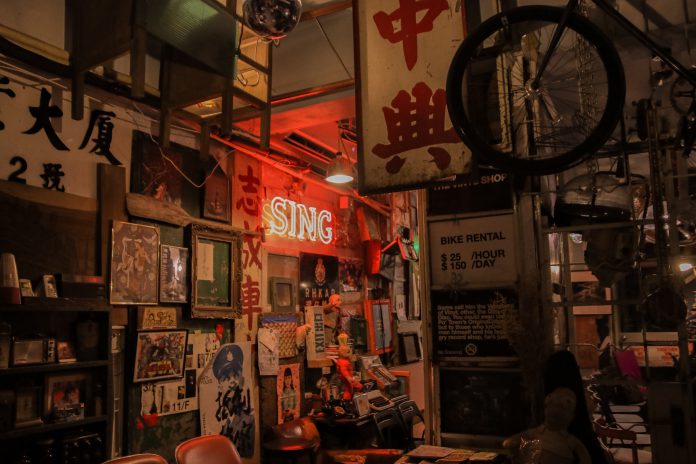
Wandering inside Wontonmeen brings you back to the old Hong Kong. The interior design is filled with a sense of nostalgia. Collectables and antiques found from flea markets stacking up on the shelf, vintage movie theatre seats from the 1960s in the common area and an eye-catching neon sign remind us of Hong Kong’s dazzling nightlife in the past.

Vintage movie theatre seats from the 1960s in the common area
Collectables and antiques found from flea markets
Kent Leung For-wah, Choi’s husband and co-manager of Wontonmeen

The appealing retro aesthetic has shaped the tiny common area into an intimate venue perfect for chic music. Kent Leung For-wah, Choi’s husband and co-manager, first thought of turning the common area into a mini live house accommodating approximately 40 audience members when he observed that the common area was often left idle. As a professional musician and fond jazz music lover, Leung intuitively came up with the plan to fully utilize the space by inviting his friends to play jazz music at first and extend the line-up further to local indie artists.

Jazz music is often perceived a bit high-end or out of reach to resident living in the neighbourhood, the poorest district in Hong Kong. Yet, Leung has been offering gigs for free, hoping to promote jazz and indie music regardless of their economic background.

Artists performing free gigs in the common area of Wontonmeen

“The agenda behind free entry is to encourage more people to give themselves a try even though they may not have heard of jazz music before. After they learn about what we are trying to achieve here and appreciate [our effort], they will then support us,” he says.

Above the music area, the first and second floors belong to the hostel area, offering both private and shared accommodation for tourists. The design of hostel rooms is inspired by caged homes or cubicle apartments commonly found in densely-populated districts, where rental rooms are divided into numerous small units, owing to the skyrocketing property price and high land rent in Hong Kong.

Hostel is not just for travelers, but also locals in the neighbourhood!
The “Hong Kong” neon light sign placed on 1/F patio with a hammock underneath for tenants to rest on

Such idea can be traced back to a final year project conducted by one of Choi’s students in her environmental design class, who wants to improve the living condition of the caged home.

Wong Ka-po, a part-time staff member from Wontonmeen

Wong Ka-po, a part-time staff member from Wontonmeen, points out the design theme of the hostel is borrowed from caged homes and subdivided units, but instead of using the theme as a gimmick to lure tourists, storage space and level of privacy of the hostel were refined.

“First, the bed is made larger and wider. Second, the cages are wrapped with iron net, and that makes the design very practical as you can hang all your personal items with hooks. When you leave, you can simply pull the curtain down to create your own private space,” she explains.

A poster of In the Mood for Love, a classic romance by local director Wong Kar-wai, is hung on the wall inside the washroom in the hostel area

What distinguishes Wontonmeen from other hostels is the homey feeling it gives to every visitor and the authentic local experience that travellers yearn for.

“Although we call ourselves a hostel, the hosts are always here,” Wong says. Running on a “family-styled” basis, the hosts and guests maintain a very close bonding, going beyond a mere landlord-and-tenant relationship. Besides customising their own tourist maps to provide local recommendations of places to visit in English, they would explore local food in Dai Pai Dong, a unique form of open-air food stall in Hong Kong or even visit the anti-extradition bill protests scenes with the tenants.

Another neon sign and collectibles displayed on the wall in the common area
Books and maps available on loan for travelers

Apart from serving as a cultural exchange hub for tourists, Wontonmeen also cooperates with other non-governmental organisations in Sham Shui Po to launch community activities, such as guided tours, screenings of local films and cooking workshops. It does not simply function as a hostel that attracts foreigners but it also acts as a focal point that gathers and connects nearby residents in the neighbourhood together.

Edited by Scarlet Shiu
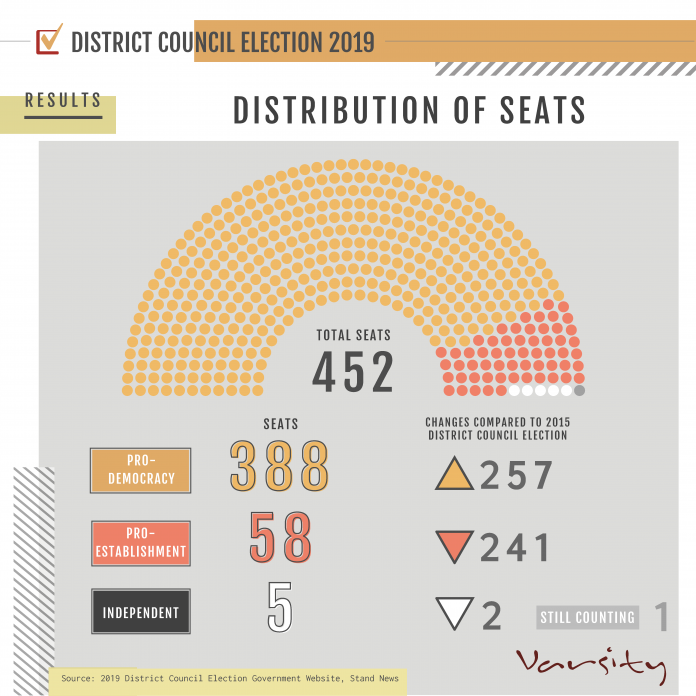
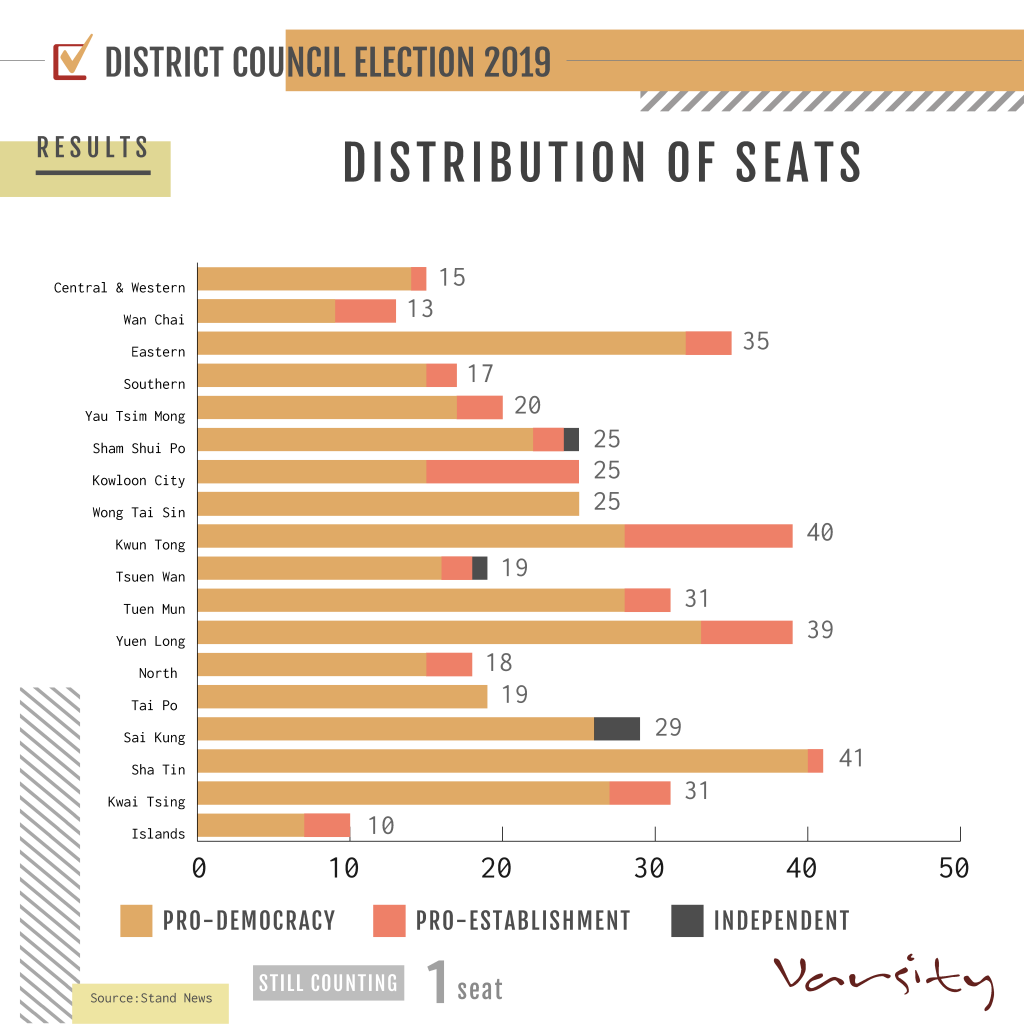
Next Term of the District Councils: Distribution of Seats by Political Affiliation

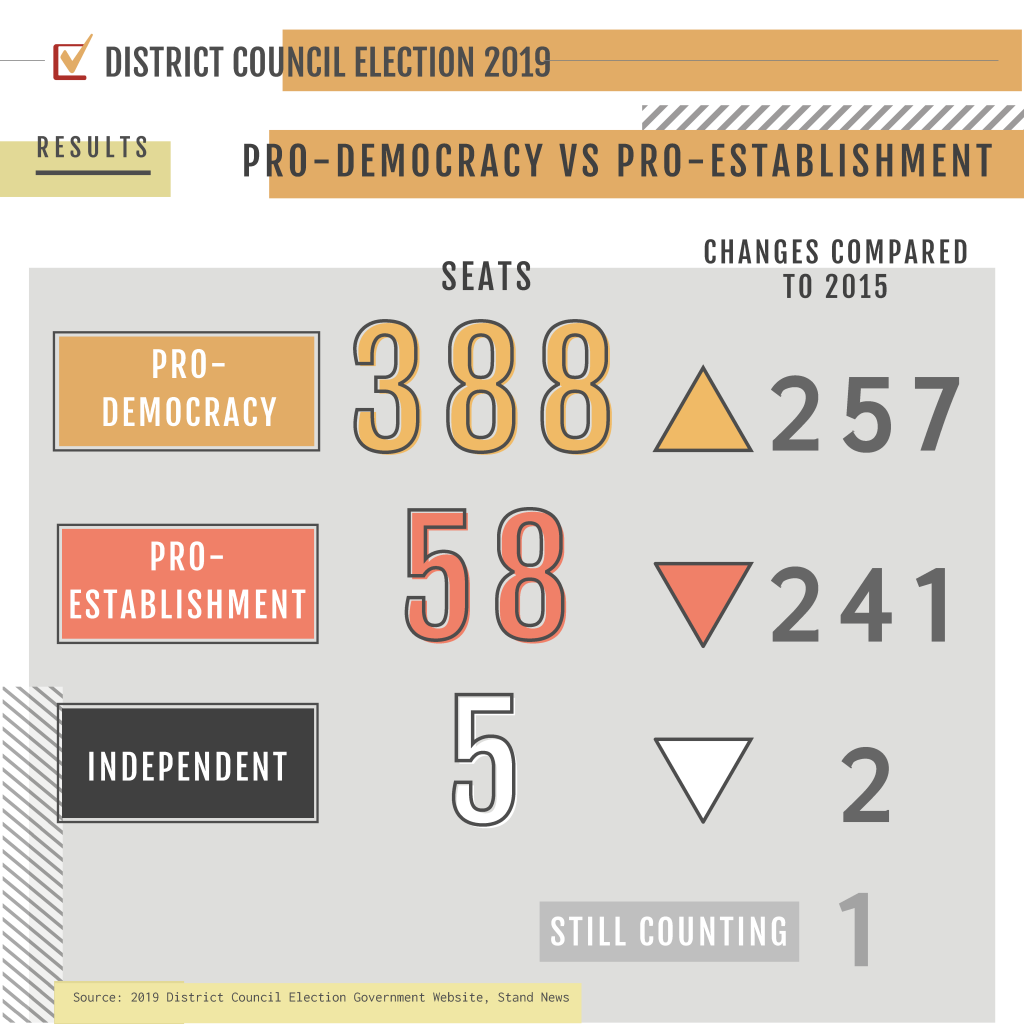
The pro-democracy camp won majority seats in at least 17 out of 18 districts in Sunday’s District Council Election, in which voter turnout rates were the highest recorded in Hong Kong. Here is a closer look at the distribution of seats so far.

Please note that votes of the Lam Tin constituency are still being counted, and thus have not been included yet in this graphic.

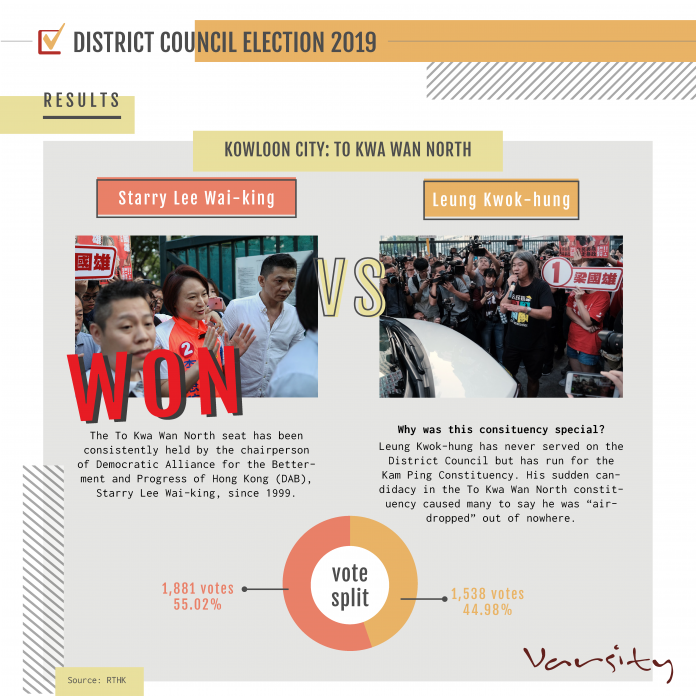
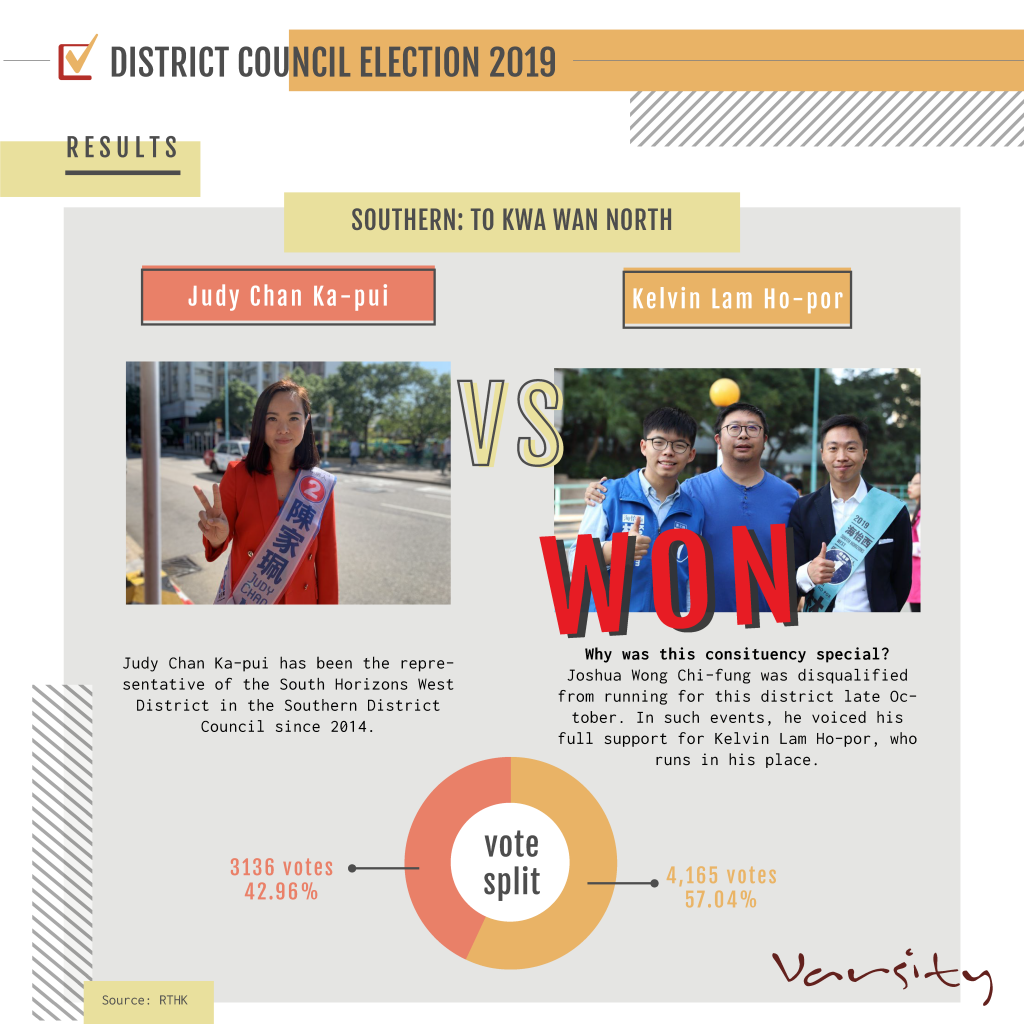
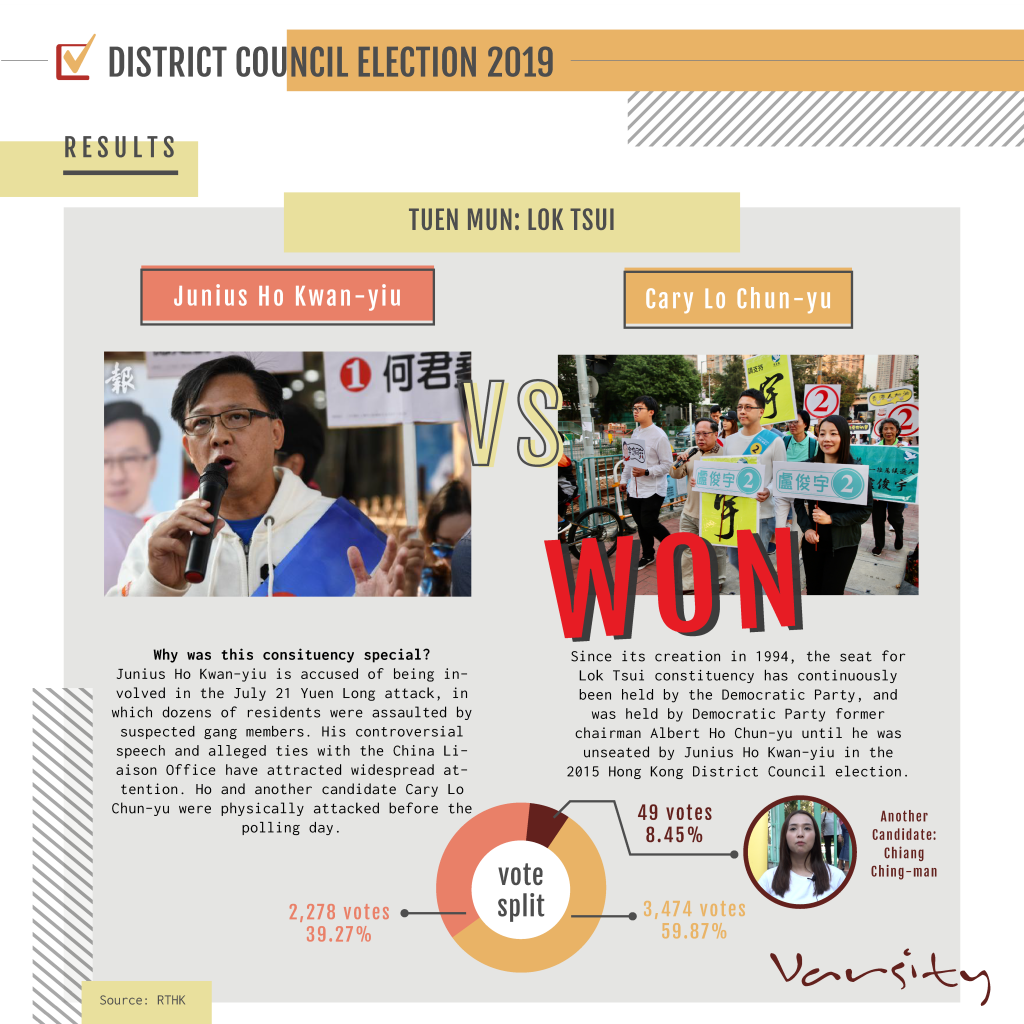
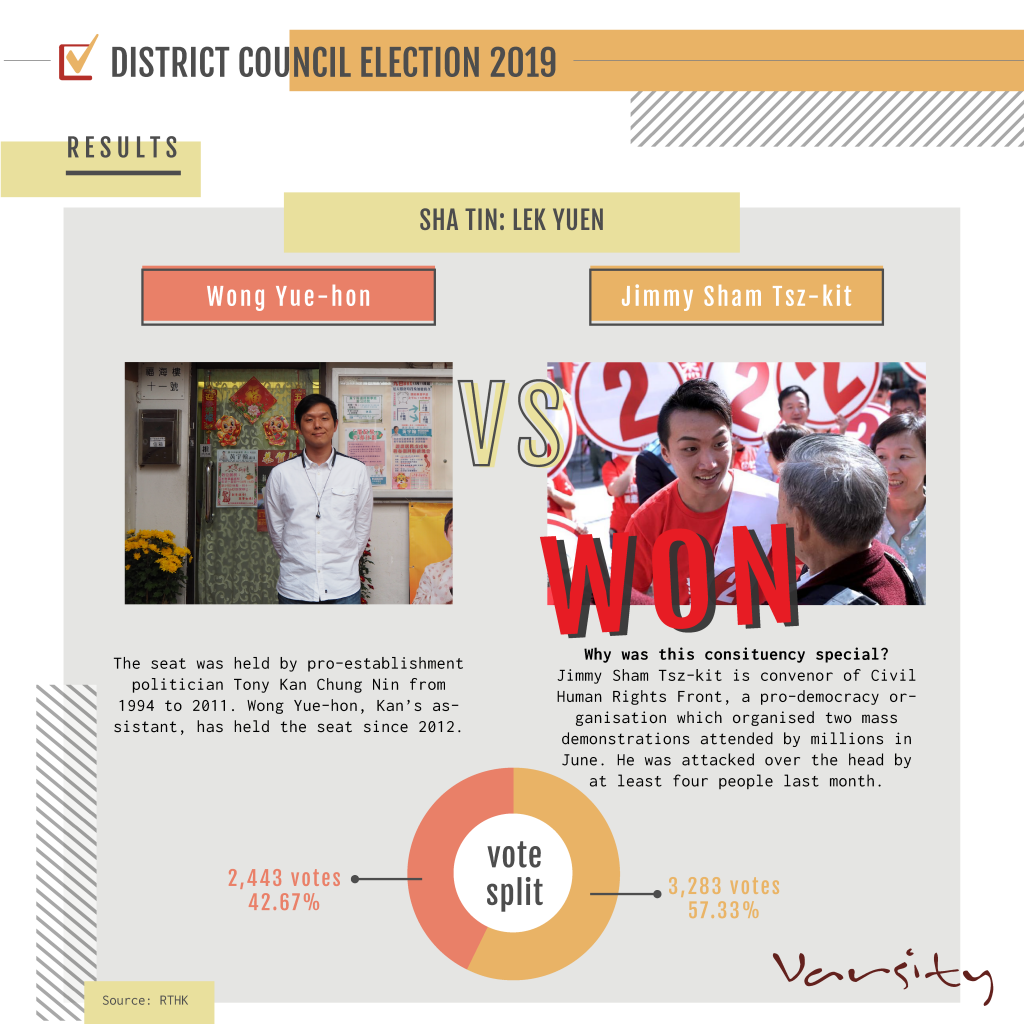
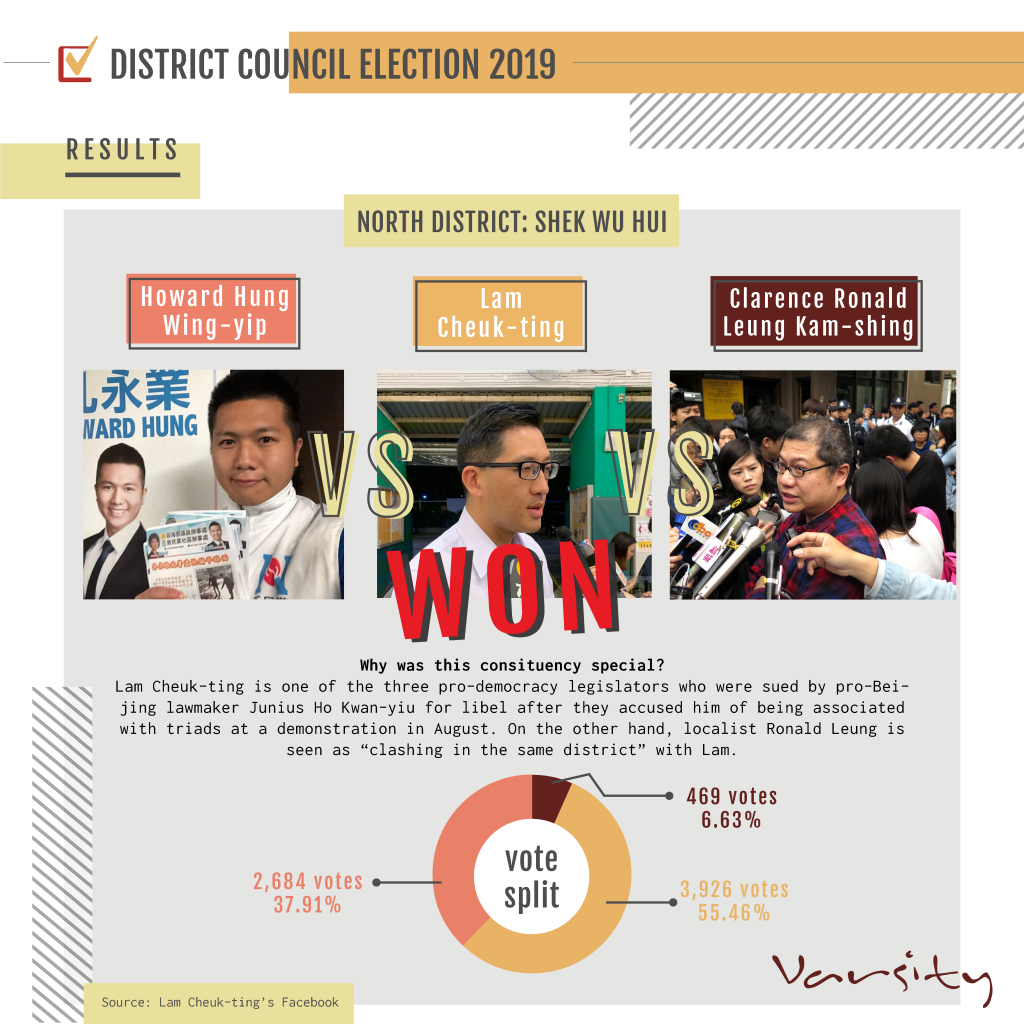
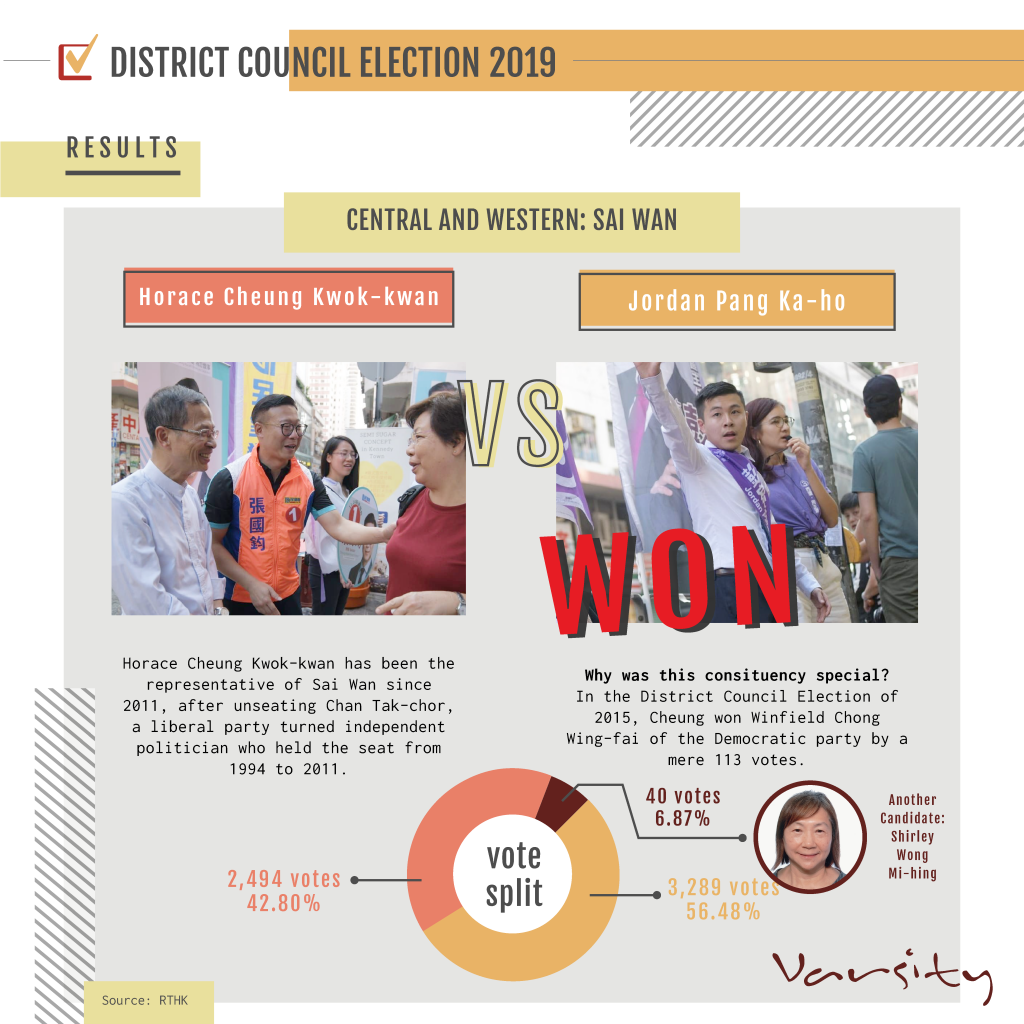
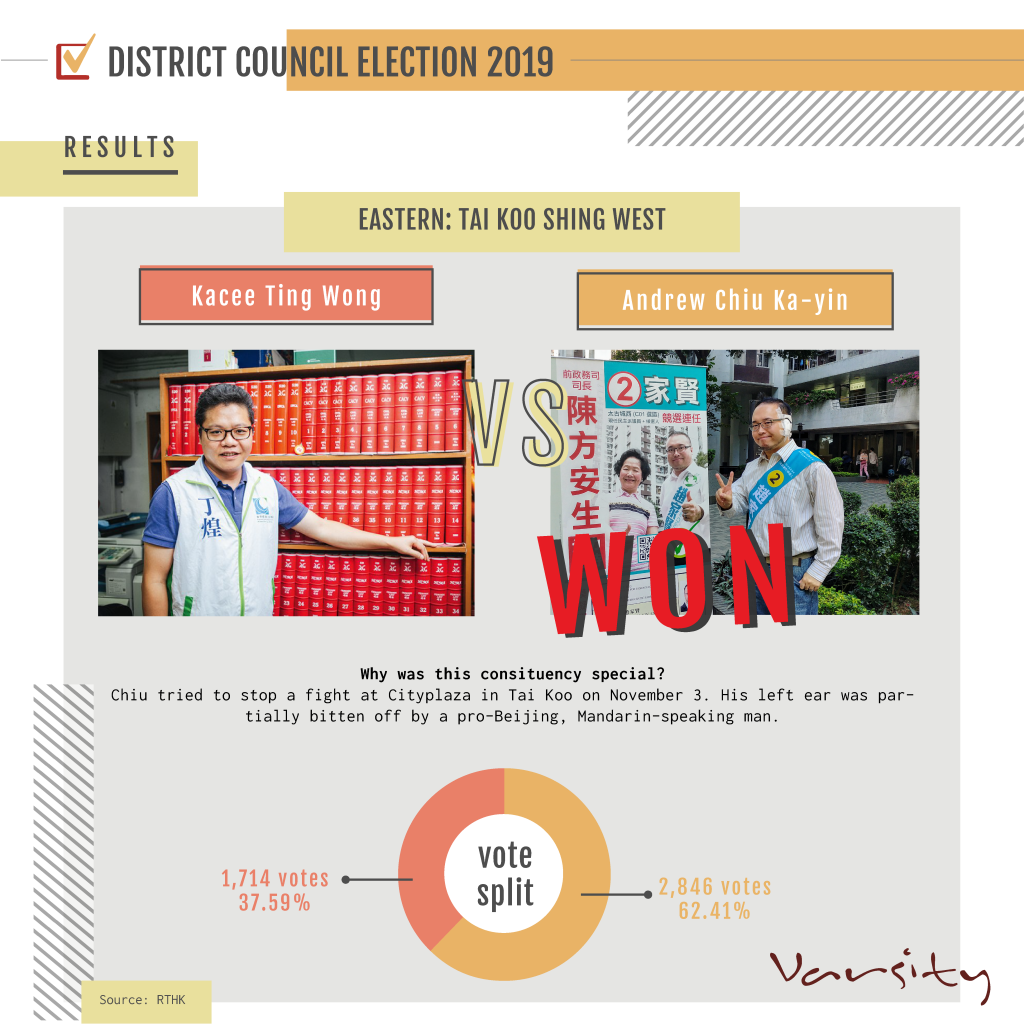
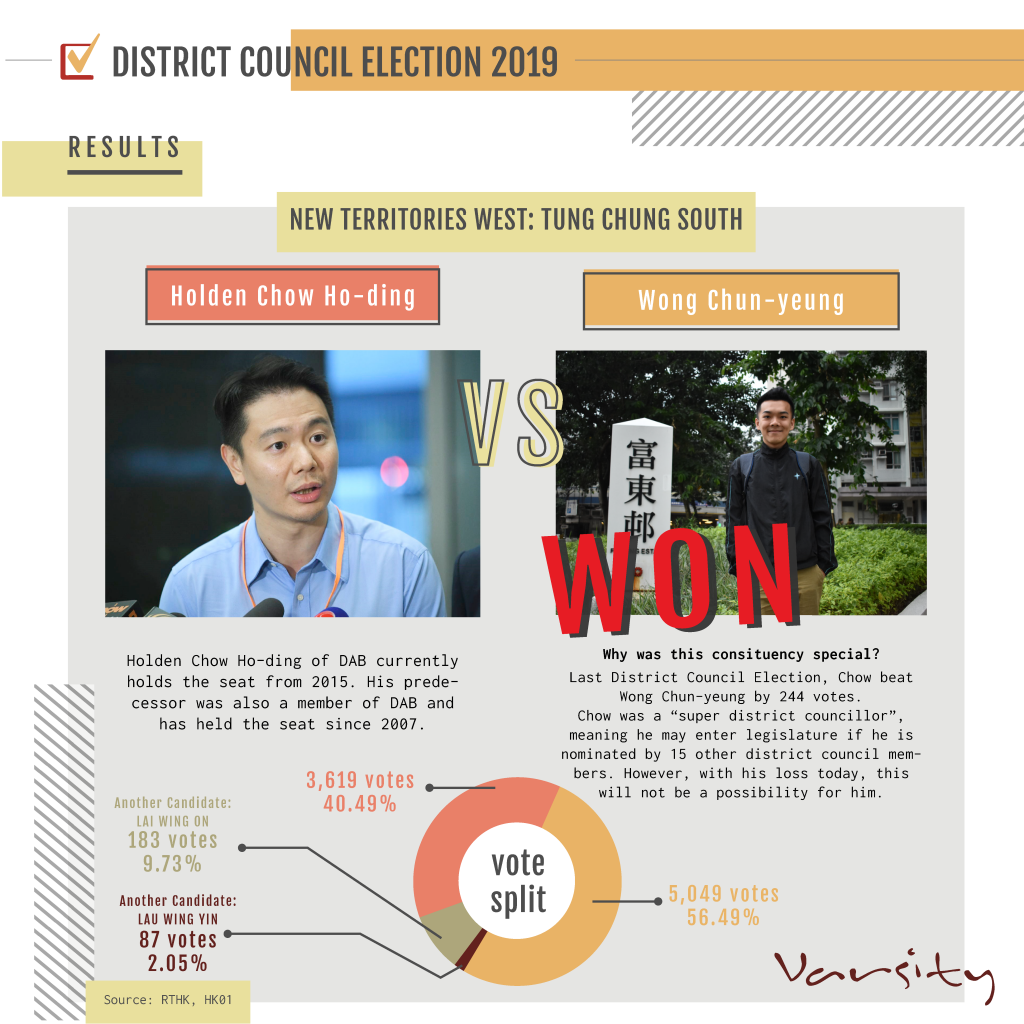
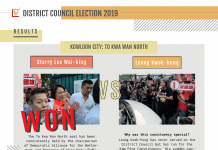
2019 District Council Election: Controversial Constituencies Results

This year’s election has seen an unprecedented voter turnover rate. Some of the constituencies have been strongholds of the pro-establishment camp for many years. Sunday’s district council elections have inflicted a landslide defeat on the bloc.

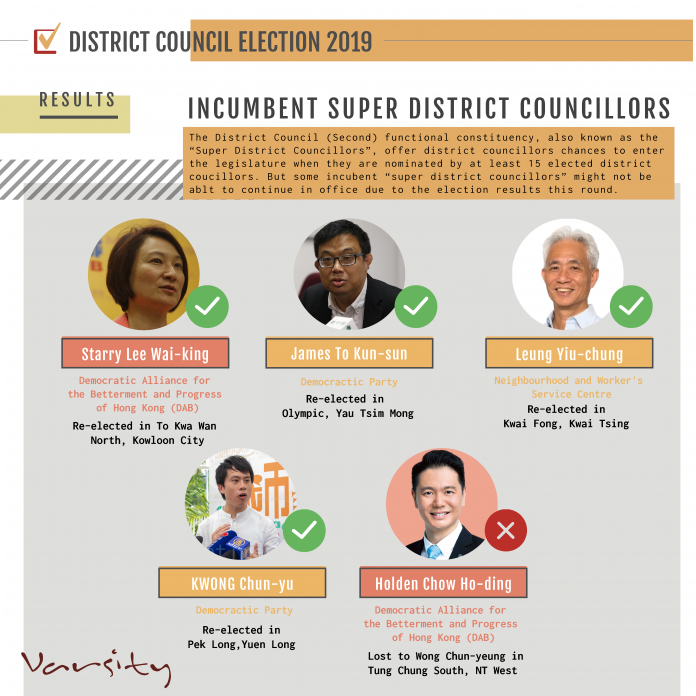
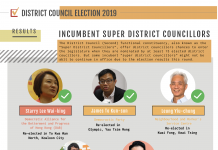
Results of Incumbent Super District Councillors in 2019 District Council Election

While district councillors’ work focuses on district affairs, they can also be elected as lawmakers in the Legislative Council through “super district council” seats. This is how incumbent super district councillors fared this election.

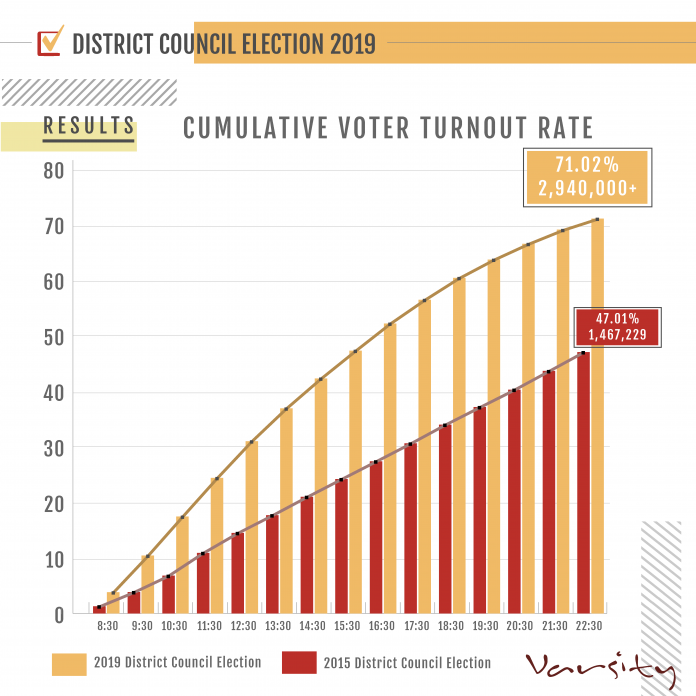
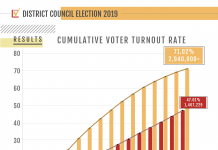
2019 District Council Elections saw a record-breaking voter turnout rate

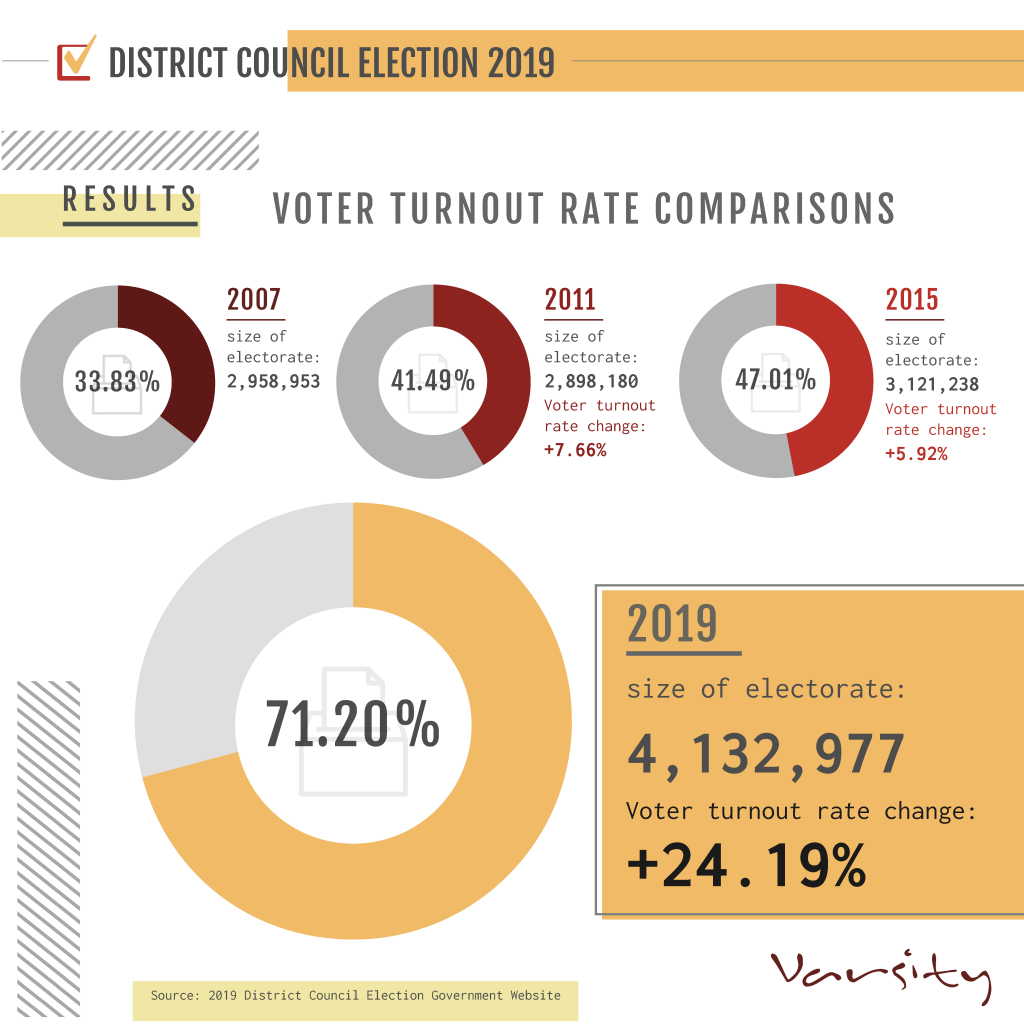
The total voter turnover rate of the 2019 District Council Election is 71.20%, making it the most participated election recorded in Hong Kong. With more than 2,940,000 voters, the number of voters this year is doubled compared to that of the District Council Election in 2015.

Former student activists standing in the District Council elections

By Howard Li

The 2019 Hong Kong District Council elections are approaching. This year’s elections have seen a lot of young faces emerge. Some of them are former student activists who led the 2014 Umbrella Movement. Five years on, after experiencing the depressing ending of the campaign which failed to achieve any concessions from the government and witnessing Beijing’s tightening grip on the city’s freedoms, especially the disqualifications of young opposition lawmakers, will the Umbrella Generation still regard the elections as an opportunity to make a difference?

Varsity talks to two former student activists who run for the coming District Council elections, Tiffany Yuen Ka-wai and Lester Shum Ngo-fai, to learn about their perspectives and visions.

“A choice for Tin Wan”

Tiffany Yuen Ka-wai, former Vice Chairperson of pro-democracy Demosisto party, is contesting the seat in Southern District Council for Tin Wan constituency. She is now serving as an assistant to legislator Au Nok-hin.

Standing next to her campaign banner bearing a slogan, “A choice for Tin Wan”, Yuen says Tin Wan constituency has been a stronghold of the pro-establishment camp for many years and she wants to give residents one more option in the upcoming election. “I like Tin Wan because I enjoy warmness and friendliness of residents here,” she adds.

There are various problems in Tin Wan that remain unsolved. This year, Wycombe Abbey International School has rented space at Tin Wan Shopping Centres, the district’s only shopping centre which has been left idle for more than two years after Link REIT sold it to a mainland-based company in 2015. As a result, the mall cannot be fully utilised to meet residents’ needs.

Traffic congestion is another concern. “Early on, there were many tour groups visiting Tin Wan, which led to increasing burden on the public transport,” Yuen says.

If elected, Yuen pledges to press the government for policies which could improve the living conditions of Tin Wan’s residents.

Tiffany Yuen Ka-wai is campaigning at her street counter.

“Although I may seem too young and inexperienced to be a district councillor in the eyes of many residents, I think having the passion for serving the community is more important,” says the 26-year-old. “I make every effort to listen to the residents and spend much time in dealing with community affairs to win confidence from them.”

Yuen says her decision of running for the election is not facilitated by the ongoing anti-government protests, but she adds that the protests may have politicised the elections which typically centre on community matters and prompt voters to be inclined towards the pro-democracy camp.

 “Still, we will focus on fundamental livelihood issues without adding political spice into them. But at the same time, we shall explain our stances and current political situation to the residents instead of shying away from doing this for fear of being labelled as ‘radicals’ or ‘troublemakers’ by them,” says Yuen.

Speaking of the series of strikes, class boycotts and shutdown of shops, Yuen says they are important in exerting political pressure on the government to respond to protesters’ demands. She thinks Hong Kong people should strive together to sustain the pressure.

As a former student activist who actively took part in the 2014 Occupy movement, Yuen says the movement has equipped her with stronger communication skills which help her better convey political views to the residents in her community.

She stresses that the Occupy movement does have an impact on the current pro-democracy protests as this civil disobedience campaign which happened half a decade ago has gone down in Hong Kong’s history as an important lesson in civic engagement and will continue to serve as a mirror to future social movements.

Determination to change

The significance of the Occupy movement also finds an echo in Lester Shum Ngo-fai’s political career. Shum, former deputy secretary-general of the Hong Kong Federation of Students and one of the key student leaders of the 79-day occupation, is now campaigning to win Hoi Bun constituency seat of Tsuen Wan District Council. He currently serves as an assistant to lawmaker Eddie Chu Hoi-dick.

“On the positive side, the movement encourages more people to pay attention to politics. On the other hand, people are frustrated as their efforts hasn’t paid off. The political divide gets deeper and deeper in the aftermath of the movement. But it is an experience in the past which won’t be written off,” Shum comments on the Umbrella movement he once played a leading role in but ultimately faltered.  

The 26-year-old decided to throw his hat in the ring for district councillor this April. At the time, he considered the election as a way to change the status quo given the society’s lack of confidence in starting another large-scale social movement since the Occupy Central campaign ended in failure.

Lester Shum Ngo-fai is at Eddie Chu’s ward office. 

Should he be elected, Shum says he will help improve the recycling mechanism in his district.

The three-coloured waste separation bins placed in the communities do not perform very well in sorting out different kinds of waste materials. Shum says it is also very discouraging to see the endeavour made by residents to clean up bottles for convenience of reclamation is in vain since all the waste is eventually ended up in the landfill.

He is told by the residents that setting up a reclamation depot could resolve the problems above, but he hasn’t outlined any concrete plan yet. Shum explains, “Waste management concerns many parties, including management companies, cleaning companies and so on. It also takes a long time to negotiate with different parties and reach the consensus to look for solutions. The first step is to get elected.”

Following the months-long protests in the city, Shum becomes more determined to win the election. “Every pan-democracy candidate is fighting against Beijing and trying to secure as many seats as possible. If I lose the election, I will feel that I fail my supporters as well as the people who have devoted themselves into the social movement,” says Shum. He adds that his reputation established in the Umbrella movement allows him to gain trust from voters easily.

As for the 2020 Legislative Council election, both Shum and Yuen say they haven’t decided whether to stand in it or not.  

The other candidate for Tin Wan constituency is Chan Fu-ming. The other candidates for Hoi Bun constituency are Mok Yuen-kwan, Timmy Chow Ping-tim and Leo Chan Yue-hai.  

Edited by Gloria Li

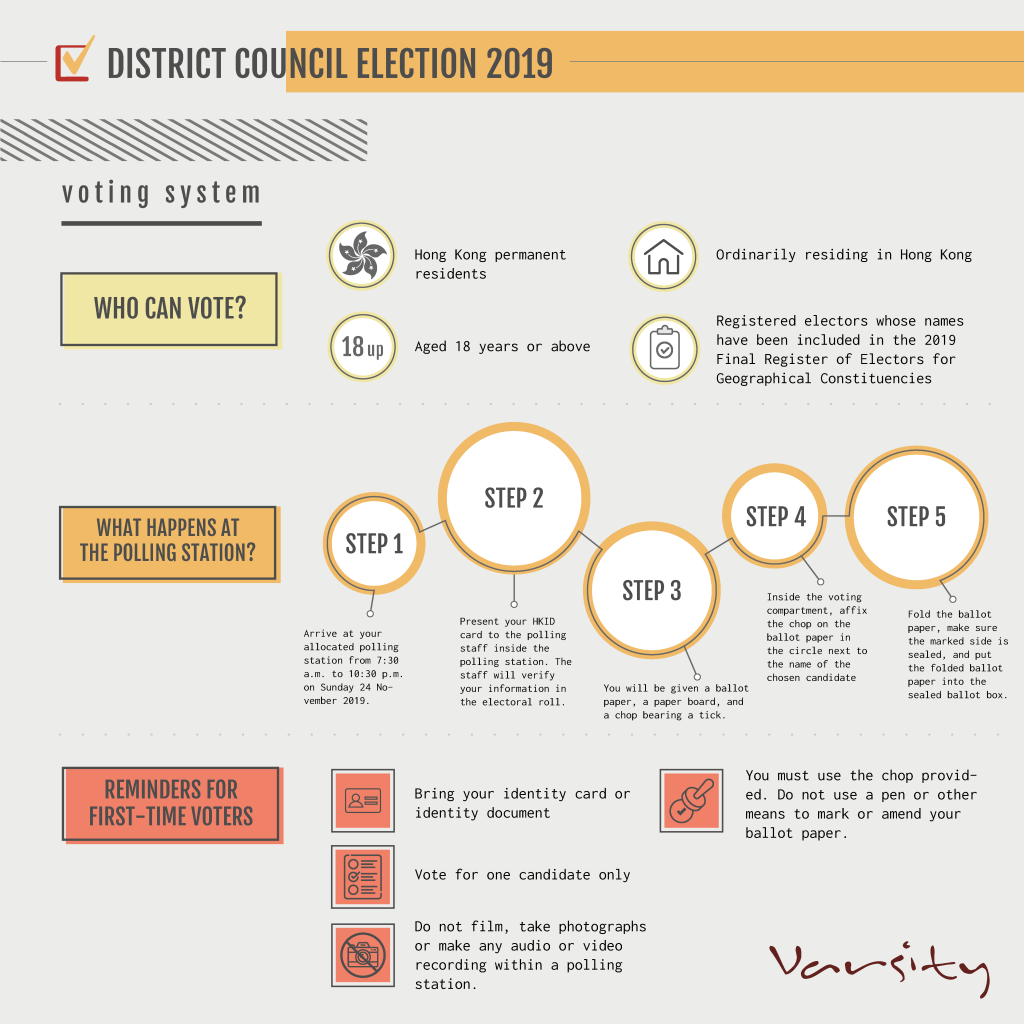
District Council Voting

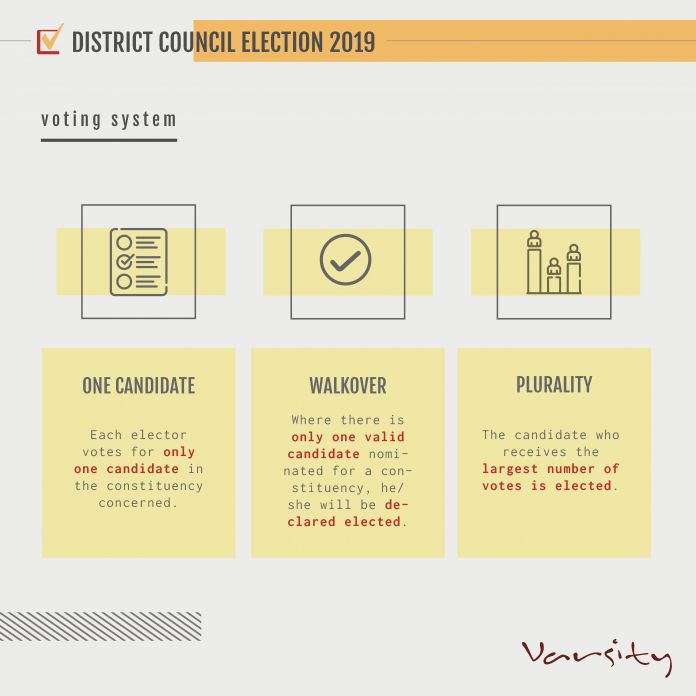
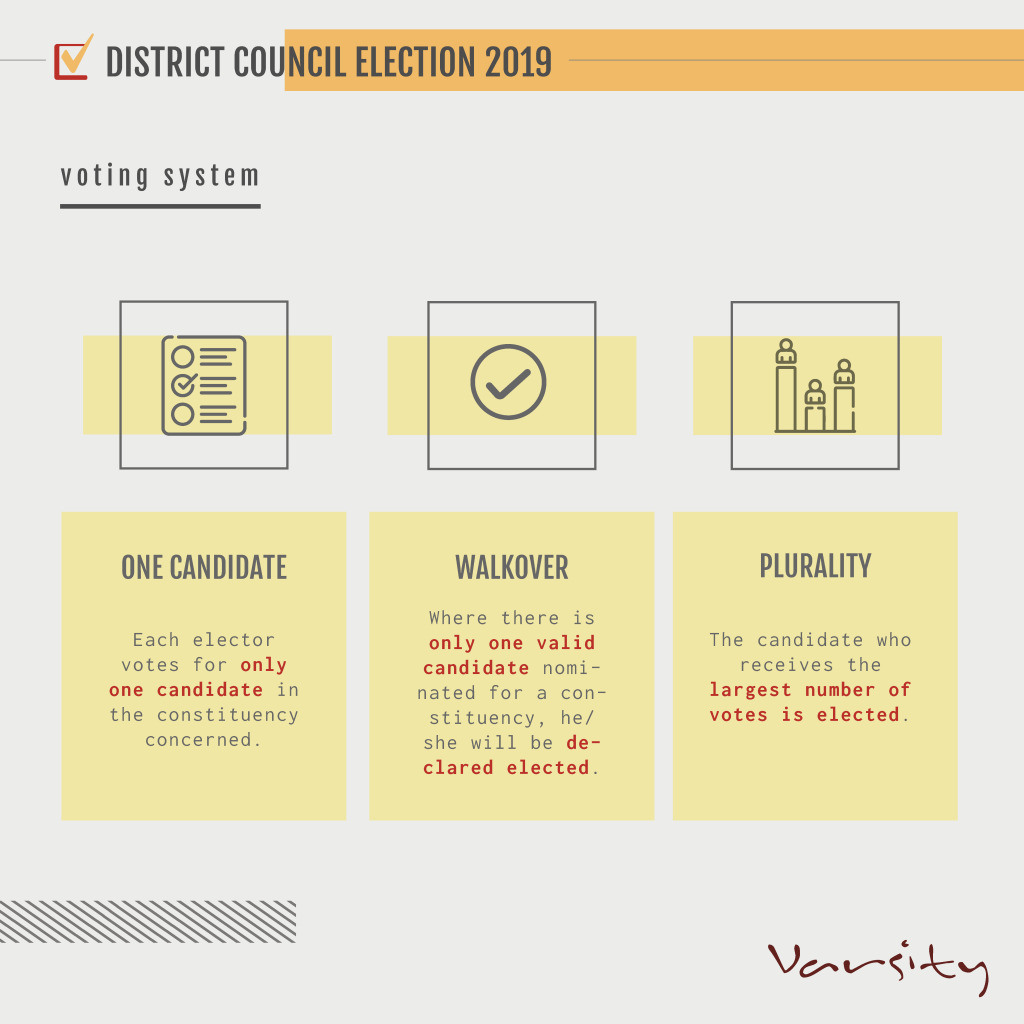
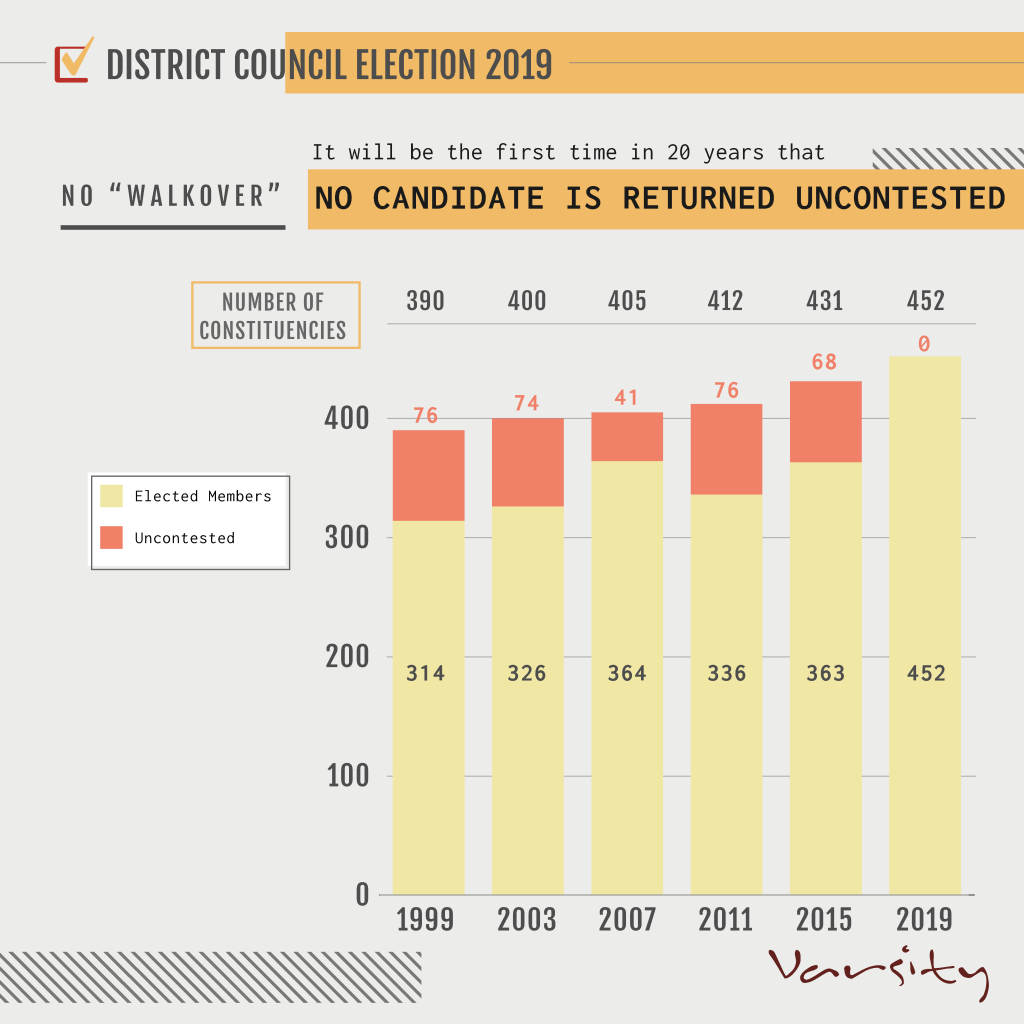
In this series of infographics, Varsity presents an overview of how the District Council voting system works.

In this series of infographics, we present how the District Council voting system works.

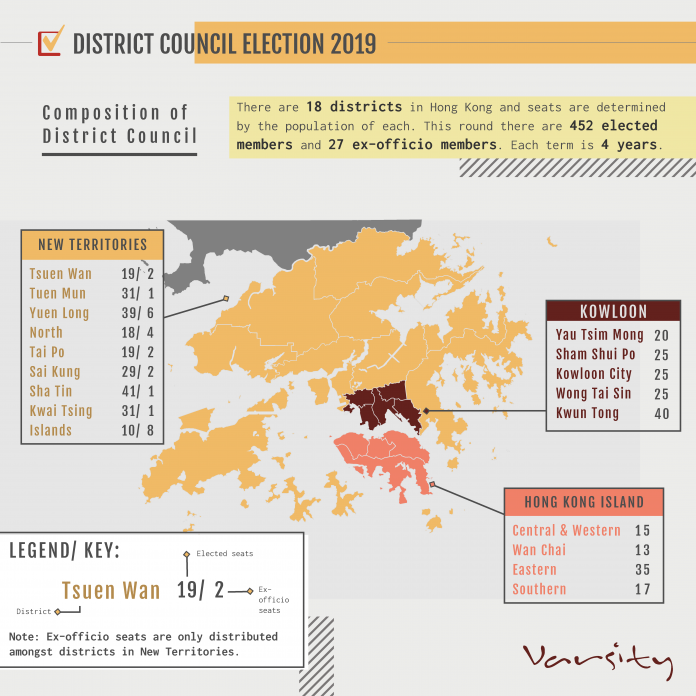
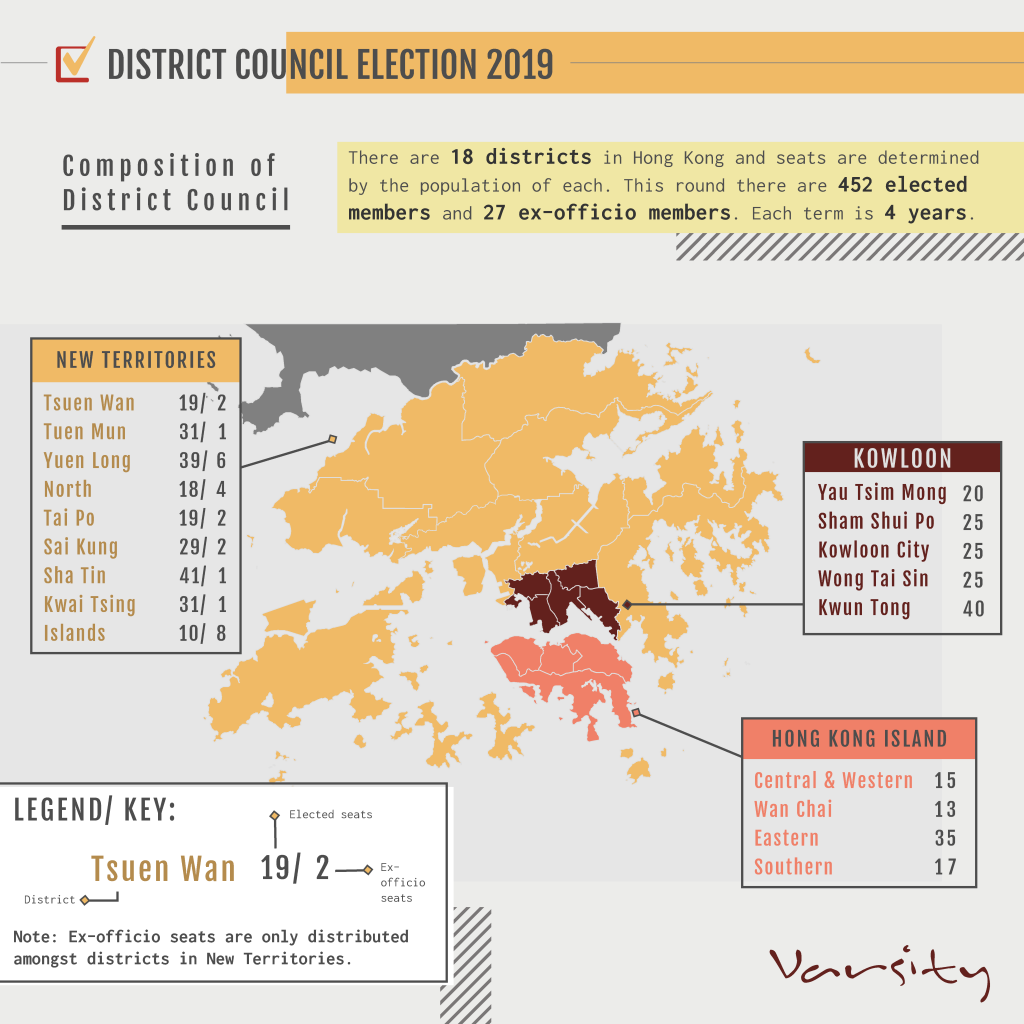
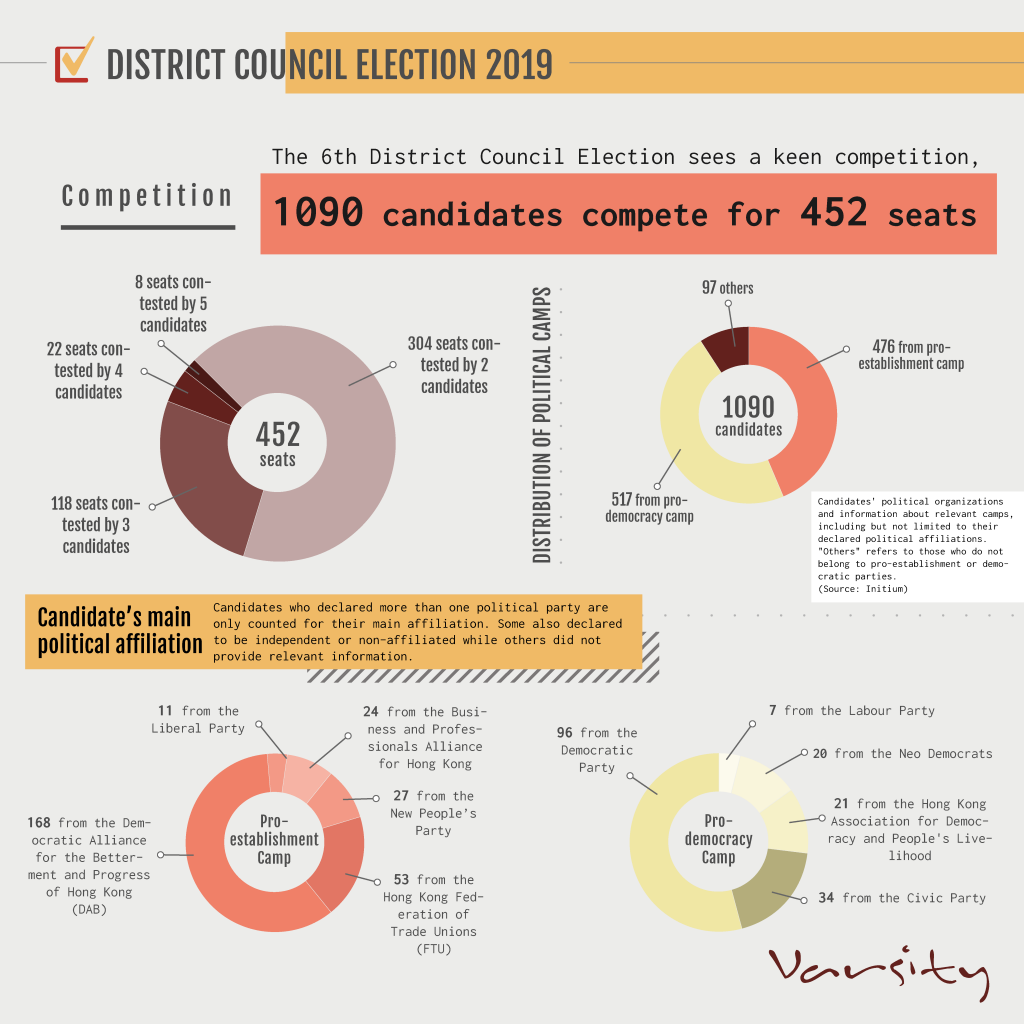
What you should know about the 2019 District Council Election

Varsity takes a look at the composition and competition for the District Council before election day (November 24). Here are a few key points.

Smokes, Screens and Visions – Editor’s Note

Hong Kong has been plagued by ongoing “leaderless and be water” protests as protesters plan every rally with a fluid and decentralized organizational structure through the help of modern communication technologies.

The latest wave of protests stemmed from as far as February when the government proposed an amendment to the Fugitive Offenders Ordinance, regarding special arrangements for the transfer of fugitives.  Human rights groups and other organizations voiced concerns that fugitives extradited to China would suffer from arbitrary detention and unfair trial under China’s judicial system.

The extradition bill set off a chain of anti-government protests, also known as the Anti-Extradition Law Amendment Bill (Anti-ELAB) Movement, with over one million people who took to the street peacefully on June 9. But the protests took a grim turn in mid-June, when police began to use rubber bullets and tear gas on protesters. Suppressed tensions and distrust, enshrouded after the 2014 Umbrella Movement, resurfaced in the form of flash-mob style protests.

 Once again, the city has spiralled into widespread protests, albeit in a different form. In this issue, Varsity looks into the impact of information dissemination and privacy data awareness in the Anti-ELAB Movement.

 Local protesters utilise communication and forum applications, such as LIHKG and Telegram, to organise protests and communicate with each other. We speak with organisers, protesters, and experts about how protest coordination is developing in this uncertain political landscape.

 Simultaneous to the fast organisation on various online platforms, information is spread to the international community through news reports and social media activism. Activists are also using creative ways to illustrate the situation in Hong Kong. We talk to international activists about discussion abroad and the conflicts that accompany them.

 Awareness and concerns with privacy increased following the rapid dissemination of information. Many protesters use extra SIM cards and are often seen in black attire and sanitary masks, even at peaceful protests. We take a look at how protesters protect their identities, the root of their distrust, and the extent of data protection from privacy laws.

 Varsity’s reporters and editors worked hard with devotion on this issue. While the government announced on September 4 it would formally withdraw the extradition bill, the fight continues all around us. We may often find ourselves met with suppression, hopelessness, confusion and division. However, even with the conflicts this division brings, we see that each individual cares for this city greatly, in their own way.

 We hope this issue may reflect on how our lives have changed, shed light on the developments the protests have gone through, and bring about healthy discussion regarding our city’s future.

Johanna Chan