












Home Blog Page 115

Switch on Your INDIE Channel

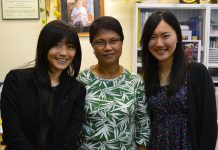
Celia Chan Sze-ki thinks iMusic.hk gives every music lover a stage to perform and share.

iMusic.hk: your map of indie music, a platform to share and enjoy music
Reporter: Rene Lam

Some of you may have a beautiful voice but every time you sing on stage, stage fright just gets the better of you. So you might think that you are doomed to singing in the shower for the rest of your life.

Some of you may be sick of karaoke music manufactured by giant record labels. You keep browsing YouTube but there are simply too many videos to search to find a fine indie music channel.

For all frustrated music lovers, iMusic.hk offers an oasis that satisfies both your need to perform and to listen to original music. Set up in June 2008, it is a Hong Kong based music portal that encourages individual musicians to upload their musical works, be they original songs or covers of pop songs.

So how does iMusic.hk work?

Musicians get their own artist page after registering as members. Not only can you share your music in your channel, you can also publish the score and other related tags in the “vault” section. Besides, you can keep your fans up-to-date with any happenings by posting photos or creating blog entries.

iMusic.hk is also connected with several online radio stations, such as Uchannel.hk and UDpower.com, which allows you to air your music between their programmes and get your voice heard by a bigger audience.

For music lovers who enjoy listening to fresh voices, iMusic.hk is a platform where you can hear a range of sounds and styles.

You can also create your own radio station by arranging your favourite songs. Just click on your playlist every time you login and then minimise your channel window if you want to work to the beat. You can also act as DJ for your friends by sharing your radio with them.

Celia Chan Sze-ki, a 15-year-old rock ‘n’ roll lover, who made it to number three on the artist chart in iMusic.hk, treasures the opportunity to share her music. She thinks the website is a dream come true, a platform where she can upload her work and be a rock ‘n’ roll singer.

Since most of the artists own the copyright of their works, you can download most of the songs directly from iMusic.hk. The site specialises in audio sharing so the streaming speed is amazingly fast.

Another distinctive function is the community and event function, which enables any member of the site to invite other members to join a musical event.

In the world of Web 2.0, every performer has the power to get their voice heard and every audience member has unlimited choices.

All you need is passion and the will to make your own music at home, then broadcast your talent to the world through iMusic.hk. Now click onto iMusic.hk and enjoy your own radio.
March 2012 – The Language War

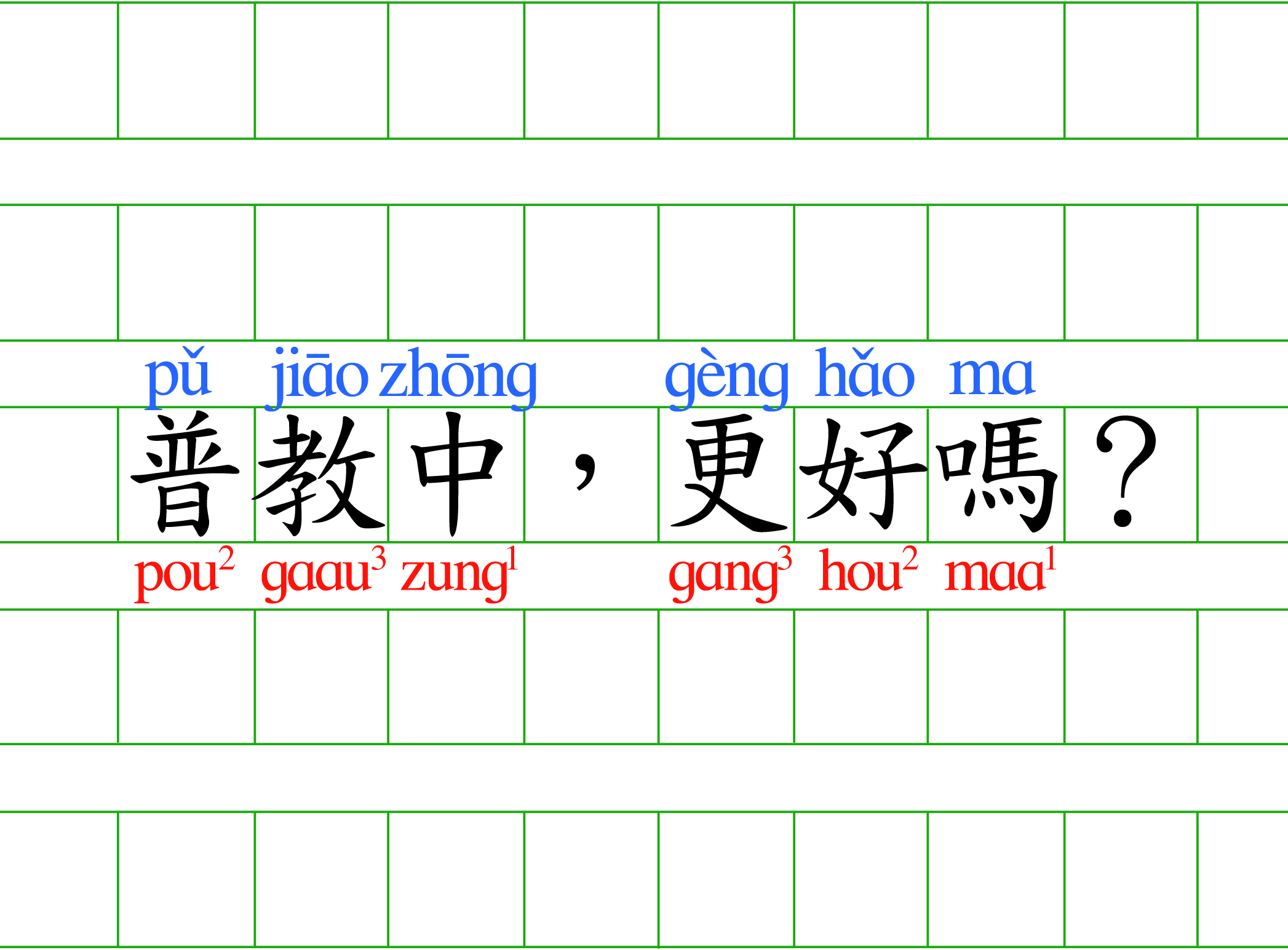
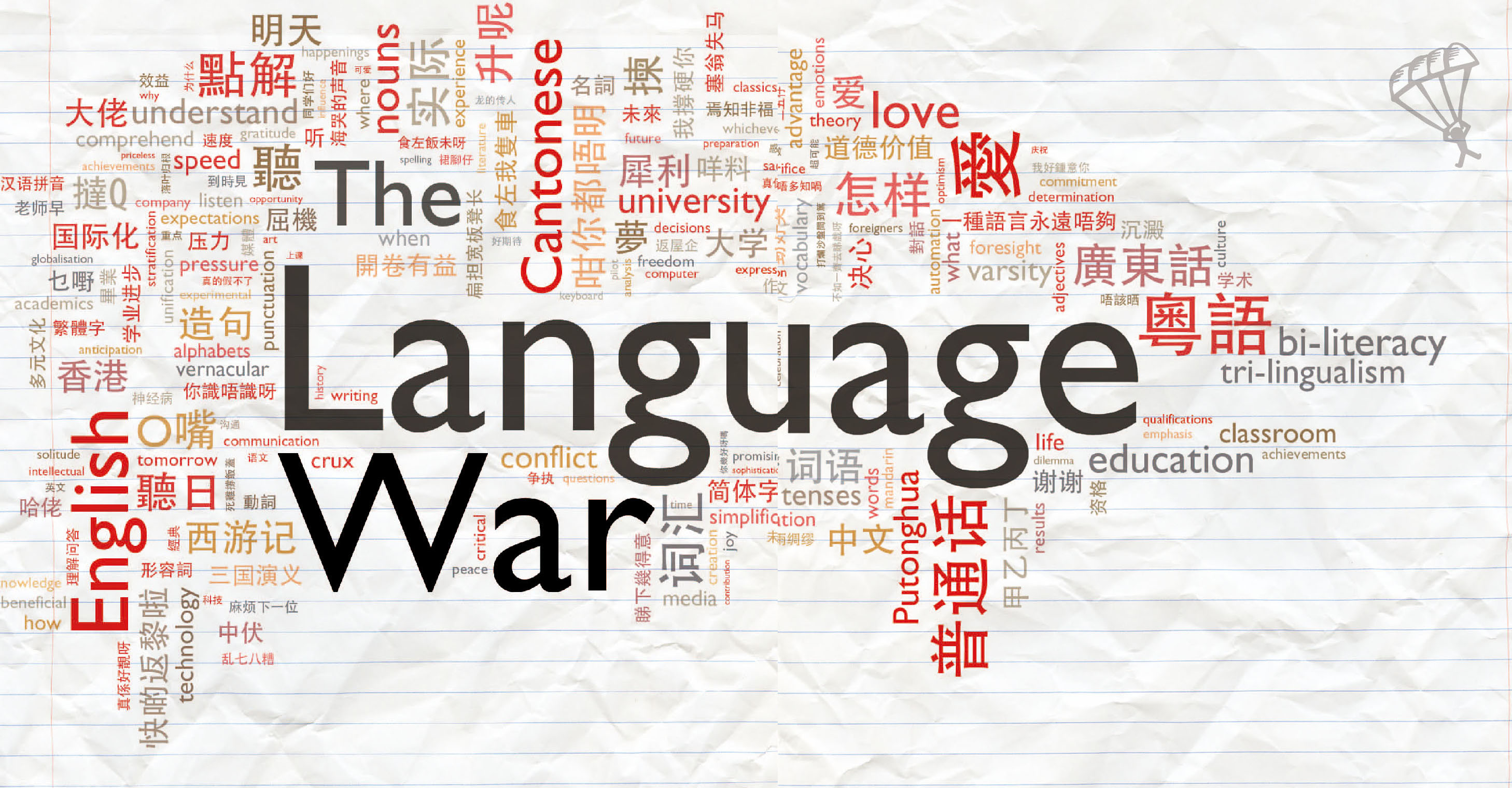
Under the Hong Kong government’s policy of  trilingualism and biliteracy, Cantonese, English and Putonghua are meant to be of equal importance. But in reality, the three are often competing.

This issue of Varsity looks at the language wars in Hong Kong:

Hong Kongers have leapt to defend Cantonese from perceived encroachment from Putonghua and in response to the pro-Cantonese movement in Guangdong

Some Cantonese-speaking parents in Hong Kong insist on only speaking English to their children

More and more schools are switching to teaching Chinese language lessons in Putonghua rather than Cantonese


Varsity March 2012 – Editor’s Note

Mind Your Language

Since the handover, Hong Kong has been pursuing a policy of bi-literacy and tri-lingualism, which stressesthe equal importance of Cantonese, English and Putonghua in our everyday life.

In this issue of Varsity, we look at how each language is competing for an equal footing in the city’s language war.

Moves to promote Putonghua at the expense of Cantonese in Guangdong have led to the birth of a pro-Cantonese movement in the province and in neighbouring Hong Kong. Here, activists are defending Cantonese as a language. Protecting Cantonese, they believe, is more than a cultural issue, it is a political struggle.

In the sphere of education, more and more schools are switching back to using English as a medium of instruction after the government more or less admitted defeat over its policy of mother-tongue teaching. A major reason for the failure was the resistance of many parents to abandon English as the language of the classroom. Some parents even strive to create an English-only environment for their children, even if they are not fluent themselves. Varsity explores the impact this has on the children’s English proficiency as well as on their day-to-day communication.

While English dominates the household setting, Putonghua reigns at school. More than 500 local schoolsnow conduct Chinese language lessons in Putonghua, the official national language. Advocates believe learning Chinese in Putonghua enhances students’ Chinese writing ability, while critics complain it hurts their confidence in expressing themselves in class.

Rivalry is not only found among the three different languages, it has also extended to the written form withinone language, between traditional Chinese and simplified Chinese. Hong Kong has started to use simplified Chinese in advertisements and official notices. This has led to a backlash from those who fear Hong Kong islosing its culture and uniqueness.

If the question of language in Hong Kong is rooted in a sense of identity, then it is just as vexed as the questionsabout Hong Kong’s identity.


Joyce Lee
Editor-in-Chief

Defending Cantonese

Hong Kong people struggle to define and defend their mother tongue

By Stephanie Cheng, Vicki Yuen

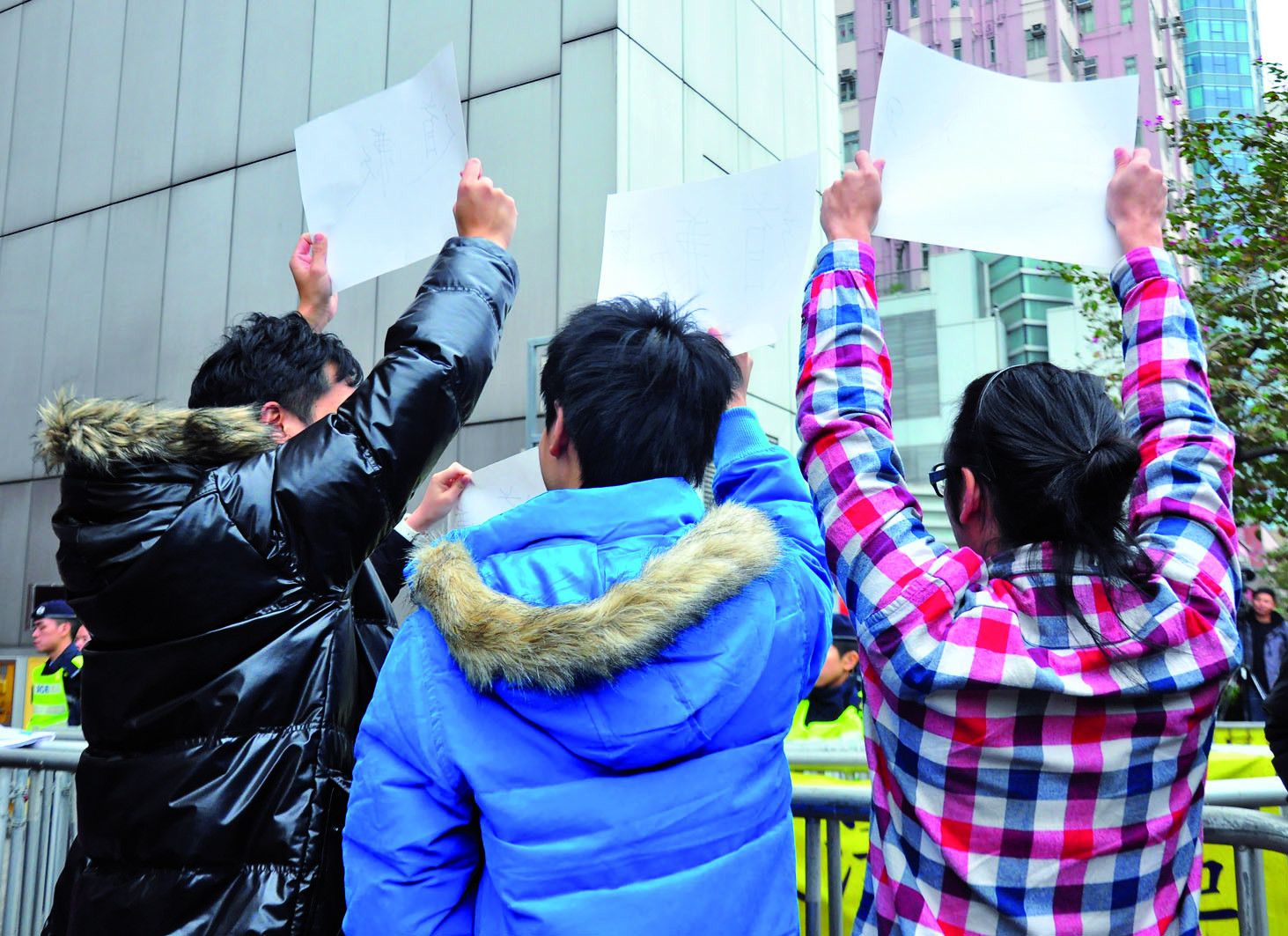
On Lunar New Year’s Eve, when most people were eating reunion dinners with their families, more than a hundred people braved the cold and took a “walk” outside the Liaison Office of the Central People’s Government in Western.

A protestor demanding an apology from Kong Qingdong outside the Liaison Office of the Central People’s Government on Lunar New Year’s Eve.

Some brought their pet dogs, others brought dog toys and dog banners. They were not marking the Year of the Dog; they were angry and they were protesting.

Their fury was directed at Kong Qingdong, professor of Chinese studies at Peking University, who said during a webcast interview that most Hong Kong people are dogs and those who do not speak Putonghua are bastards. “Mandarin is a language. Cantonese is a dialect. Those speaking Mandarin have no duty to learn Cantonese,” Kong said on the show.

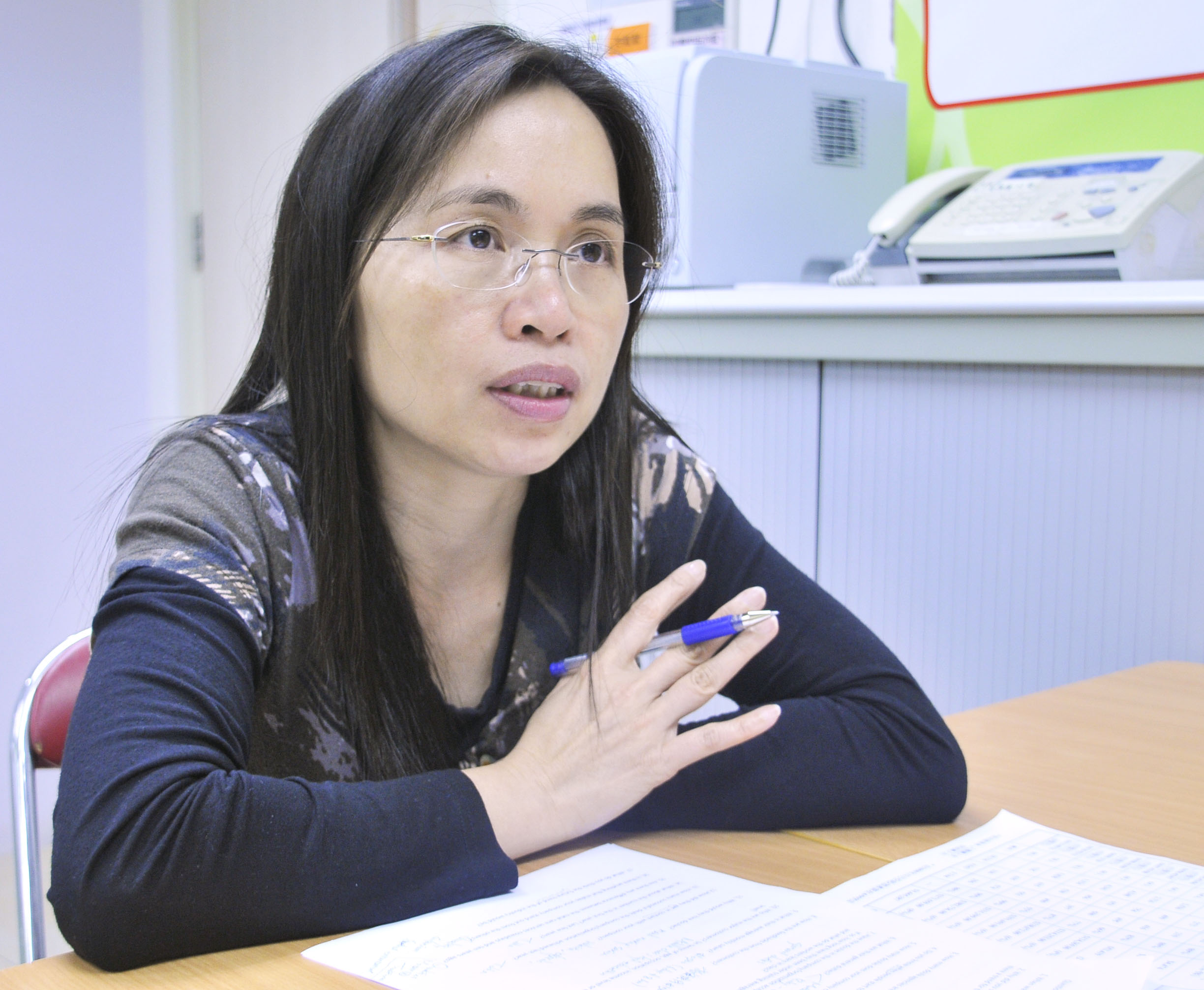
Miss Pang, a university student who had never joined such a demonstration before, stood with a homemade banner that read “Kong Qingdong apologise”. “They should respect us. Cantonese is not inferior to Mandarin,” she said.

The protest was also a first for 60-year-old Sunny Chan, who could hardly contain his fury. “Kong is the descendant of Confucius? Rubbish!” he exclaimed. “Cantonese is local culture, whereas Putonghua is only a medium for communication and exchange. They should not eliminate local culture.”

Whether Cantonese is a language or a dialect is a matter for debate. The spoken forms of regional variations of Chinese are often mutually unintelligible and even among linguists there are no universal or standardised criteria to distinguish between a language and a dialect.

Ben Au Yeung Wai-hoo, senior instructor of the Department of Chinese Language and Literature at the Chinese University of Hong Kong, believes speakers can be regarded as speaking either a language or a dialect. There is no contradiction between the two.

Au Yeung says “language” reflects a more significant and general identity in a wider context while “dialect” is more “intimate”, representing speakers as part of a smaller community. Viewed this way, Au Yeung says Cantonese may be regarded as a dialect of the Chinese language.

For the protesters outside the Central Liaison Office, the dispute over whether Cantonese is a language or a dialect is more than a linguistic or cultural issue. It is a political battle. As the linguist Max Weinreich put it, “language is a dialect with an army and navy.”

Parents Opt for English

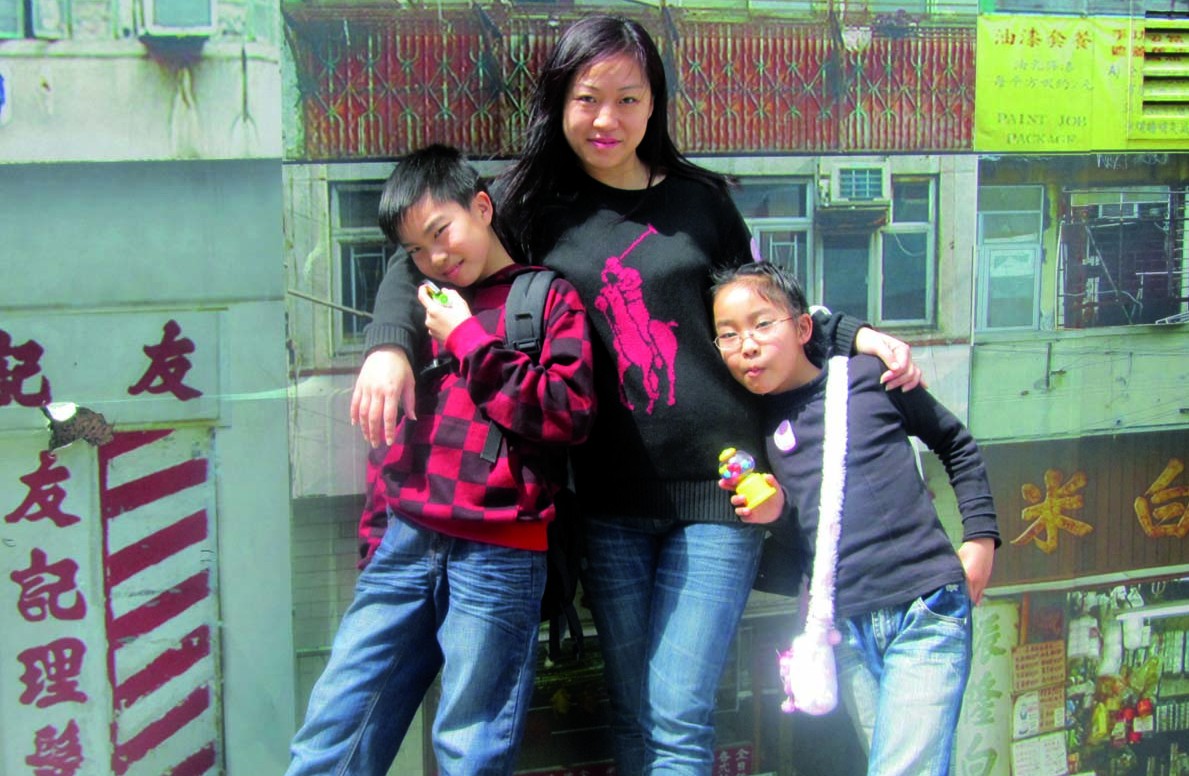
Alice Hui believes growing up in an English-only environment builds up her children’s confidence in speaking English.

The Cantonese speakers who want English as their kids’  mother tongue

Reporters: Kris Lee and Yannie Mak

On a typical Saturday morning, the children’s section of Kowloon Central Library is packed with children and parents huddled around low tables and squashed into soft easy-chairs. The room is filled with the sound of parents reading aloud to their children in English, with varying degrees of fluency.

This is just one way Hong Kong’s parents are trying to make sure their children master English, which has been an official language of Hong Kong since 1842.

Since the handover, the use of Putonghua has joined English and Cantonese as an official language. Its use has become more important and more widespread. Government policy, implemented in 1998, saw the majority of Hong Kong schools switch from teaching in English to teaching in Cantonese.

Some feared English standards would fall as a result and a survey carried out by the Hong Kong Chamber of Commerce in 2007 suggested that 65 per cent of employers polled said they found employees’ English levels to be below international standards.

But as the keen competition for places at schools that teach in English and the government’s 2008 U-turn to give schools more flexibility to teach in English shows, parents and educators never doubted that English remains as important in Hong Kong today as ever.

For some parents, that means providing an exclusively English-language environment for their children, even though they are native Cantonese speakers in a city where Cantonese is the mother tongue for 97 per cent of the population.

Joey Wong Mei-kuen believes thatspeaking solely English at home createsthe right environment for a secondlanguage for their children.

Joey Wong Mei-kuen, a mother of two daughters, says: “The standard of English [of the younger generation] is worse than my generation.”

She attributes this to the lack of opportunities to practice the language since it is a second language in the community. Therefore, she chooses to use English to communicate with her children and has done so since they were born.

Putonghua – a better way to learn?

As more and more schools teach Chinese in Putonghua, teachers, parents and students tell us whether they think it’s a better way to learn

Reporters: Lindy Wong and Ben Lam

It is recess time and the students bow and greet their teacher respectfully in the corridor. “Ni hao [hello],” the teacher says, and the students reply: “Laoshi zao [good morning teacher].” They are speaking in Putonghua but none of them are native Putonghua speakers. Scenes like this take place in hundreds of Hong Kong schools every day.

They are so-called Putonghua as Medium of Instruction, or PMI, schools that conduct Chinese lessons in Putonghua. Since 2001, Hong Kong has been pursuing a policy of “bi-literacy and trilingualism”, highlighting the equal importance of Cantonese, English and Putonghua in education, the workplace and public life. In response, more schools have since become PMI schools, hoping to enhance their students’ Putonghua proficiency.

According to Lam Kin-ping, associate director of the Centre for Research and Development of Putonghua Education, the numbers of PMI primary and secondary schools have increased three times and two times respectively since 2007.

Today, there are more than 350 PMI primary schools and 200 PMI secondary schools in Hong Kong. However, those figures need to be taken with a grain of salt as the extent to which Putonghua is used as a medium of instruction varies from school to school. While some schools may use Putonghua to teach Chinese to all classes in one form, some may use it in just one or two classes.

Teacher Ting, who preferred not to give his full name, teaches Chinese at a PMI secondary school in Tai Wai. He believes there are several reasons why PMI teaching is so popular today. “Hong Kong and Macau are the only regions where it is still Cantonese dominant. Shifting to PMI enhances emotional ties between people in Hong Kong and their motherland,” says Ting. “PMI schools meet the market demand. Many parents today want their children to speak Putonghua more fluently.”

A Wordy Debate

Purists fear simplified Chinese characters will replace traditional characters in Hong Kong

Reporters: Rene Lam, Natalie Cheng

Graduate student Wang Tiexin uses traditional Chinese characters in his reply to Varsity’s interview request through text message. He also uses traditional script in many of his posts on social networking sites, yet in person, his soft Mandarin accent hints he may be from Taiwan.

In fact, Wang, who is studying at the Chinese University of Hong Kong (CUHK), is from Chengdu in Sichuan province and learned to write traditional Chinese by reading subtitles and lyrics from popular songs sung by Hong Kong and Taiwanese artists.

Although simplified Chinese is the official script in Wang’s homeland, he prefers traditional Chinese and believes that the traditional form “makes more sense”.

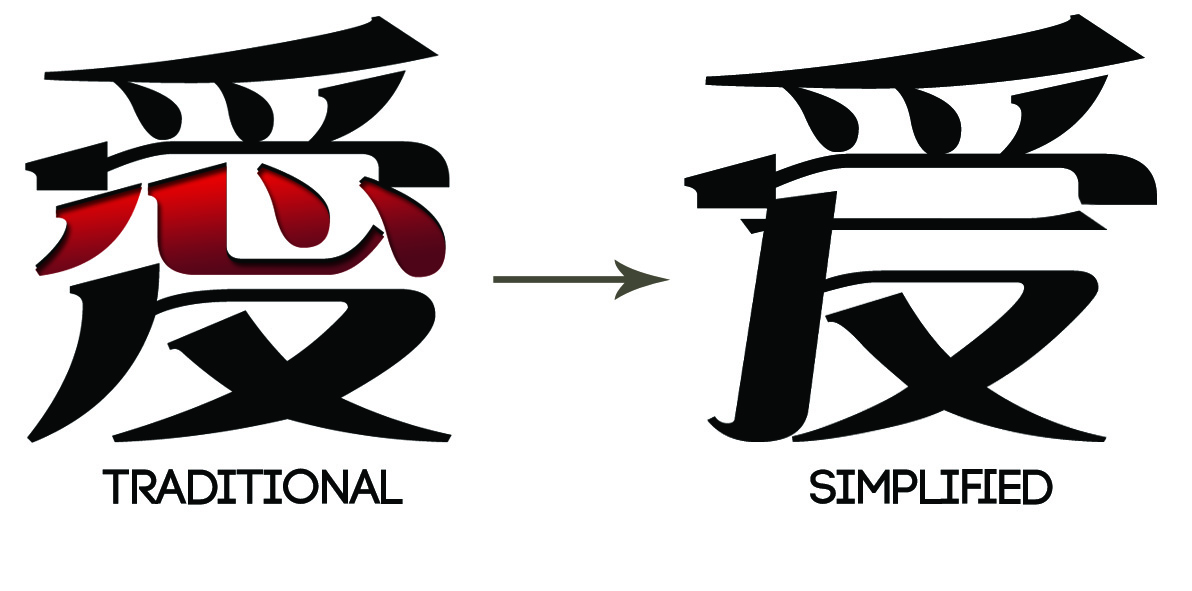
“The simplified form of ‘love’, is without ‘heart’,” says Wang enthusiastically while writing the Chinese character “ai” in the air with his finger. “In traditional Chinese, there is a ‘heart’ in the middle of the character and it means something.”

Wang believes traditional Chinese characters are not only structurally beautiful, but educational as well because of their intrinsic meaning. And since he regards learning traditional Chinese an “acculturation”, an integral part of Chinese culture, he is appalled that some of his Chinese friends cannot read traditional characters at all.

He was even more dismayed when he heard that Hong Kong had started using simplified Chinese characters for official notices. Wang believes different regions of China should have their own culture and retain features unique to their region. He fears the use of simplified characters is a sign that Hong Kong is becoming more like the mainland.

Reports in December last year about an official sign written in simplified Chinese in the New Territories sparked anger and fear in the Hong Kong community and beyond. Online groups and forums supporting the traditional Chinese writing system sprang up, igniting debate over the official language of Hong Kong.

Differing Fortunes Await Young Politicians Across Political Divide

Resources to nurture new politicians favour the pro-establishment camp

Reporter: Caleb Ho and Nicole Chan

Roy Kwong Chun-yu sits in a small cramped office that he shares with his two assistants on the ground floor of a residential block in a public housing estate in Yuen Long. There is nothing fancy about his surroundings, but Kwong is happy to be serving in his second term as a Democratic Party district councillor.

Kwong hit the headlines in 2007 as a 24-year-old who beat the incumbent from the pro-Beijing Democratic Alliance for the Betterment and Progress of Hong Kong (DAB) in the safe DAB seat of Pek Long. It was a David and Goliath story; the hip-hop dancing kid from the block versus the old-timer with the vast party machinery behind him.

Now as then, Kwong says he does not receive much assistance from his party. For instance, he writes and designs a local newspaper for his constituents which he then prints and delivers himself. But he insists the lack of resources should not be an obstacle.

“You can only sigh that you don’t have a rich father,” says Kwong. “But I believe many great people in the world were born in grass-roots families. I feel that the more grass-roots a place is, the more likely it is to produce a new leader.”

The pro-business Liberal Party once offered Kwong a higher salary to work for them but he turned it down.

“It’s easy to tell whether you are working for a belief or for money. A politician needs to have backbone. You can’t switch sides for money. I would rather strive harder, have a smaller office, be poorer than give up on my aspirations,” Kwong says.

For the boy who grew up on the estate he now serves, Kwong’s story has been a successful one so far.

But pursuing politics as a career remains an uncertain and risky prospect for young people. Compared with established democracies, elected career politicians is a relatively new phenomenon in Hong Kong.

Doulas in Demand

Dragon year baby boom leads to spike in demand for professional helpers for new mums


Reporter: Nectar Gan

As Hong Kong braces for a Dragon year baby boom, private hospitals reported in February that they were already fully booked until October.

The dragon is an auspicious creature in Chinese culture and the symbol of the emperor. So the Year of the Dragon is considered a lucky year to give birth, as those born in dragon years are believed to enjoy good fortune.

The boom in births has not just created a high demand for maternity beds, it has also led to expectant parents scrambling for the services of specialist post-partum helpers, or doulas.

Postnatal care has long been emphasised in Chinese families. In the first month after giving birth, new mothers are considered to require special care. That is where peiyue (literally month companions) or doulas come in. These were traditionally women in the family but increasingly, Hong Kong families are hiring professional doulas.

Today, it costs between $7,300 and $10,500 to hire a doula for a month, depending on the hours worked which can be up to a maximum of six days a week and eight hours a day.

Traditional doulas’ duties include basic postnatal care, feeding and bathing newborns, changing nappies, washing babies’ clothes, as well as preparing special meals, soups and tonics for the new mothers to help them recover.

Nowadays, doulas are also expected to provide emotional support, and more importantly, teach the mothers how to take care of their infants.

Rainbow Tang Choi-hung, social enterprise project coordinator of the Kwun Tong Methodist Social Service, introduced the first doulas training course in Hong Kong in 1999. Tang says she first thought of training doulas after the financial crisis of 1997 when many men lost their jobs and women who had been homemakers started to look for work. Tang noticed that as many families now lived as nuclear family units, young parents did not have as much support from their families as before. She thought they could benefit from the help of trained doulas.

Rocking On

Age no barrier to playing music

Reporter: Derek Li

Sitting against the backdrop of Central’s skyscrapers, in his dark business suit, crisp shirt and tie, 51-year-old Steve Bernstein looks every inch the banker that he is.

By day he moves funds but in the evenings, the tie comes off, he picks up his mandolin and has audiences moving to his music.

Currently, Bernstein performs acoustic sessions with the Joven Goce band three to four times a month. Prior to this, he had his own band playing improvisational rock with other finance professionals.

The media have come up with the term “dad bands” to describe groupings of amateur middle-aged and senior rockers living out the musical dreams of their youth.

Bernstein grew up in Brooklyn, New York, and has been a big music fan since he was young. He recalls one of his older brothers bringing music albums home and how much he enjoyed listening to them.

But merely listening to music was never satisfying enough for Bernstein. “My personality is really more do it than watch it,” he says.

He picked up a mandolin at the age of 16 and has been

playing it ever since. His musical influences include Bob Dylan and Grateful Dead. He started playing gigs more than a decade ago and at one point he quit finance to run a record label in New York.

Moving back into finance and to Hong Kong in 2000 did nothing to dampen his passion for music. Instead, he noted the music scene was a lot less vibrant here than in New York, and was motivated to form a band.

Bernstein says he found Hong Kong a small community with only a handful of live music venues where bands perform. “When you walk in, you will see either fans or musicians,” Bernstein says.