Mymailbox852 is an organization that promotes letter writing when people nowadays mainly text and send emoji.
By Winkie Ng
When was the last time you wrote a letter with a pen? In this digital era, people always use instant messaging tools for communication.
Diana Lee Tsoi-wing founded Mymailbox852 in 2013 to spread love and happiness through handwriting. She was motivated by a disappointing experience her younger sister had after writing a letter to Santa Clause.
“My sister only received a response letter template from Santa Clause. I think children will be upset if they receive such a reply. So I decided to be Santa Clause and handwrite reply letters,” she says.
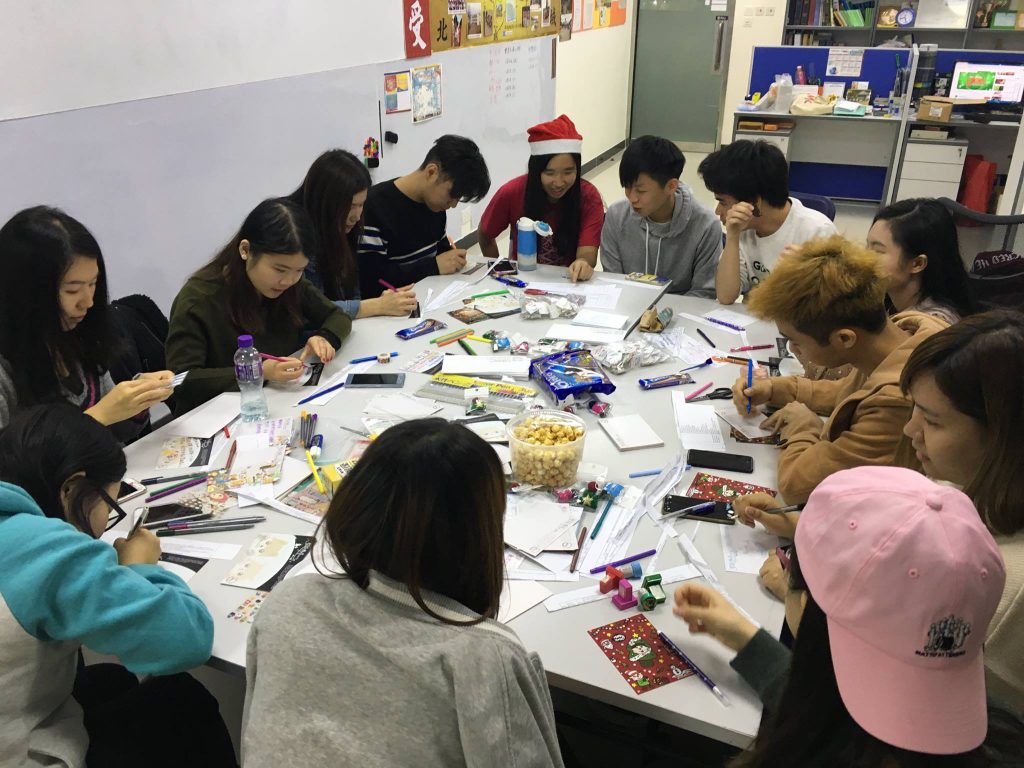
Camp for volunteers in December 2018 (Photo courtesy of Mymailbox852)
Replying to letters as Santa Clause in December 2013 was their first campaign. Only Lee and two to three of her friends helped to handwrite reply letters during that time.
“As many did not know about our campaign in the first year, we only received around 100 letters,” Lee recalls.
The campaign is now an annual event. Over 100 volunteers are recruited and around 3,000 to 4,000 letters are replied each year. They occasionally set up stalls in carnivals and markets in Hong Kong and Taiwan to promote letter writing.
Lee says volunteers are recruited through online promotion, schools and referrals from partners.
People can send letters to them by post, Google form and write letters at carnivals and market stalls. Volunteers will reply to the letters and send them back.
Mymailbox852 ran a stall in Hoikokdaytan 2046 (海角地攤2046), a waterfront market in West Kowloon Cultural District in December 2015 (Photo courtesy of Mymailbox852)
Lee says senders sometimes share their problems and difficulties in their letters. For example, they write about being stressed out by school or their family members suffering from severe illness. They also reply to letters from public examination candidates who seek support.
“The limitations of replying to letters is that we cannot physically help them. But we can give them encouragement and help turn their negative vibes into positive energy by using counselling skills,” says Lee, who studied counselling at university.
She says camps and workshops are held to train volunteers. They learn how to do replies in training sessions and form friendships with each other through the activities.
Lee thinks equipping volunteers with counselling skills is meaningful.
“In Hong Kong, people talk to their friends instead of social workers when they feel sad. If volunteers gain some counselling skills, they can help others,” she says.
Lee says volunteers with different backgrounds can brainstorm more ideas to help letter senders and learn from each other through discussions.
“If you are one of our volunteers and you are a student, you may not know how to write back to someone who is jobless. Another volunteer who has a job can help you and you can learn too,” she adds.
Lee welcomes everyone to join her team. “The most important trait is sincerity,” she says.
Workshop of teaching volunteers to reply letters was held in December 6, 2017 (Photo courtesy of Mymailbox852)
“Everyone can be a counsellor. It does not matter if you have not been trained in counselling or lack empathy. Others will help you. If you are willing to try, you will know how to respond to others’ emotions and concerns when giving replies,” she adds.
The Fitness industry has been suffering a sharp slump in business due to the ongoing coronavirus pandemic.
Gym centres were closed for months to reduce infection risk that the government only allows them to reopen from February 18th, 2021.
Just when there is light at the end of the COVID-19 tunnel, an outbreak at Ursus Fitness in Sai Ying Pun sends shock waves to the embattled fitness industry.
A total of 122 cases were related to the gym, according to a figure from the Centre for Health Protection as of March 15, the second-largest cluster outbreak in Hong Kong.
Many fitness coaches had no income when gym centres were
closed, as all classes were cancelled.
But they still had to cover the rents and maintenance
fees of their gym centres. Coaches and
sportsmen trainers are disappointed by the government’s response to their
sufferings. They criticized the government’s response as being too careless and
unaware of the current situation of the industry.
In this issue of Varsity,
we look into the fitness industry in Hong Kong.
Our reporters interviewed coaches and fitness centres owners, to find
out their difficulties and how they coped with online classes.
Varsity also explores other social issues such as the latest
development in telemedicine, young couples’ sex vacation, struggles of an ethnic
minority student, K-pop industry, innovative virtual art, and Christian music
in Hong Kong. Our reporters in mainland China report young gay men under family
pressure and the podcast industry in the country.
Enjoy the read, and we wish all the best for
everyone. Stay safe and healthy!
Coaches face difficulties conducting online fitness classes during the pandemic.
By Leung Pak Hei
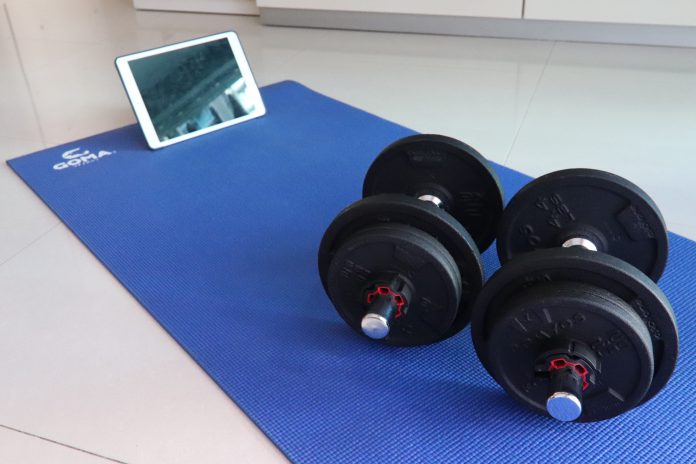
Lee Yuk-shan has been conducting weight management classes online since the first closure of gym centres in March 2020. Despite fitness facilities being allowed to re-open on February 18, 2021, the 26-year-old coach is still worried about possible closures in the future.
Lee Yuk-shan has been working as a coach since he was 18. (Photo courtesy of Lee Yuk-shan)
“If gyms are forced to shut down again, our business may not survive,” he says.
His worry is more real than ever because of a rapidly expanding cluster of COVID-19 infections linked to a gym in Sai Ying Pun in early March, less than a month that the city’s embattled fitness industry is allowed to resume business.
The government announced on March 11 that masks should be worn at all times in fitness facilities, except during shower. Immediately after the new outbreak, Lee hired a cleaning company to clean his gym and asked his students to wear masks when exercising.
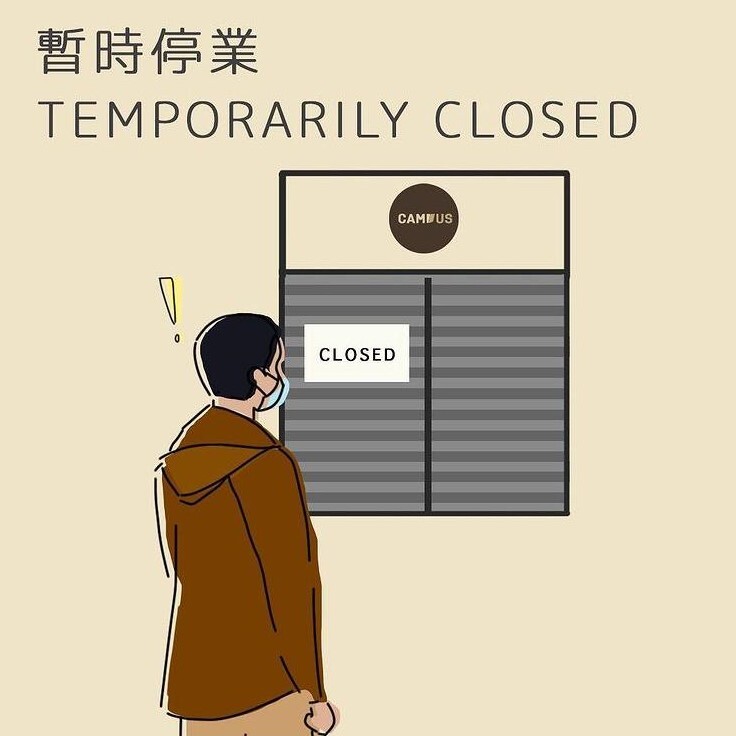
Tsang Put-long’s facility posts notice on their IG page, indicating temporary closure under the government policy. (Photo courtesy of @campusclimbing_hk)
Having taught weight management classes online for a year, Lee thinks it does not work in the long run. “When doing online classes, you need to make a lot of effort. But you receive very little in return. It is hard to make profit,” he says.
Lee adds that it is difficult to make money through online classes. He believes one of the reasons is fierce competition.
“During the pandemic, there are many YouTubers who provide information on fitness and exercise for free. People are not willing to pay for something they can get for free,” Lee explains. “YouTubers also have a lot of resources, so it is hard to compete with them,” he says.
The coach and most of his students prefer physical interaction.
“When having online classes, I am restricted by students’ cameras. It is very difficult to see their whole bodies and help them improve their form,” says Lee, who has been working as a coach since he was 18.
“Some beginners may refuse to follow instructions. For example, when you ask them to add more weight, they may not listen,” he adds.
“We also need to take care of their safety, but we cannot make sure of that through online classes. If they get hurt, we cannot physically help them,” he says.
Hong Kong has been struggling to contain the spread of COVID-19 since the first case was reported in January 2020. The government announced social distancing measures to combat the pandemic. Gyms and other fitness facilities have closed and then reopened three times since the beginning of the pandemic to reduce infection risk.
Source: info.gov.hk
On December 8, 2020, the government ordered the closure of all gyms and sports venues starting from December 10.
The facilities and venues were allowed to reopen on February 18, 2021, under the condition that full-time staff are required to do mandatory testing every two weeks. Visitors are required to scan the QR code with the “Leave Home Safe” app or provide their personal information to facilitate tracking in case an infection is reported at these centres.
Cheung Koon-tung, a member of the Hong Kong Fitness and Combat Sports Alliance, shares Lee’s thoughts. With the re-opening of fitness facilities, Cheung thinks that resuming physical classes is better than doing online classes. “There is more equipment at gym centres, so fitness training can be conducted in a more all-rounded manner,” he says.
Cheung Koon-tung is a representative of the Hong Kong Fitness and Combat Sports Alliance. (Photo courtesy of Cheung Koon0tung)
As a private fitness coach and an owner of a fitness facility, Cheung states that online teaching is not as good as face-to-face coaching. “A good atmosphere is very important for exercise. But students may not have enough space for online fitness classes at home, or they may have children at home which may cause hindrance and affect their mood,” Cheung says.
“Also, if a coach cannot physically instruct students, it is hard to know whether they understand how to exercise properly,” he continues. He adds that while online classes provide another choice for people who do not want to go outdoors, many of them may quit exercising due to low motivation.
Cheung also thinks that online classes provide them with little financial support. “The income is much lower compared to offering physical classes in fitness centres. Coaches only earn a few dozen Hong Kong dollars a lesson. Very few people sign up and join the classes,” Cheung says.
“Some centres do not have enough money to invest in equipment, such as cameras and computers, for online classes. This increases their financial burden,” he adds.
Online teaching mode is also not an option for Tsang Put-long, owner of a rock-climbing facility. He points out that it is very hard to do online classes with the type of sport he specialises in.
“We need a rock face in order to practice rock climbing. It is difficult to teach students the needed skills, and it is not something they can practice at home,” Tsang says.
Tsang had no income during the period his centre was closed from December 10, 2020. As he could not do online classes, he was forced to pay HK$70,000 a month for rent with profits he made earlier on.
Tsang Put-long is the owner of a rock-climbing facility. (Photo courtesy of Tsang Put-long)
After Tsang’s rock-climbing centre was allowed to re-open, his revenue has still not returned to the level during the period before the closure. “Our revenue has dropped by around 25 per cent. We have fewer students now than we used to have,” Tsang says.
Despite this, Tsang has no desire to do online classes. “The difficulties of doing online classes remain. Now that we can re-open, we plan to hold more physical classes,” he says.
Chow Chi-ngan, an assistant lecturer from the Department of Sport Science and Physical Education of the Chinese University of Hong Kong, believes that online coaching may lead to undesirable effects for students.
“When training lessons are online, instructions may be unclear and leads to exercising with improper technique. Coaches cannot monitor students and they may get injured,” Chow explains.
Despite the difficulties, Chow thinks that online fitness classes will continue in the future. “I have told my students to film clips of them exercising at home as I do, so I can use them in the future for teaching,” Chow says.
The lecturer believes that people of this generation should be more open-minded and try to explore different ways of exercising. She suggests coaches could think of different kinds of exercises that can be done easily and safely at home, such as bodyweight training, circuit training and high-intensity interval training.
Chow also encourages coaches to exercise with students during lessons. The lecturer says coaches can provide feedback and instructions during the process to motivate students.
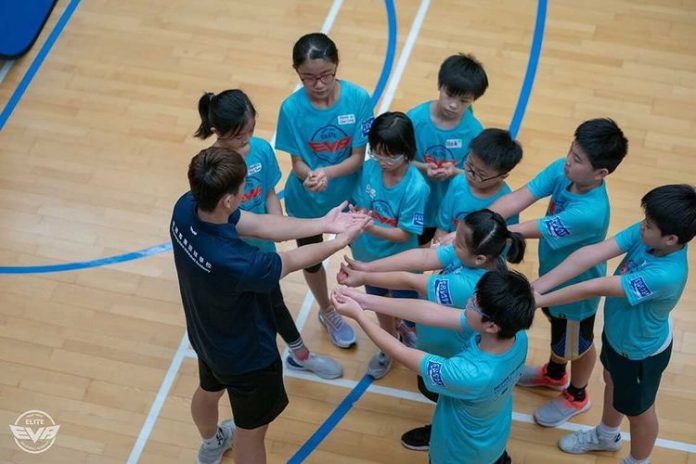
Hong Kong Elite Volleyball Academy’s volleyball classes before the pandemic (Photo courtesy of Siu Cheong-hung)
Fitness industry has been suffering from COVID-19 and the financial situation of practitioners is still hanging in the balance even after the reopening policy.
By Felicia Lam
Jason Tang Chun-man, owner of Jason Fitness has mixed feelings about his centre’s operation as the fight against COVID-19 in Hong Kong is threatened by a rapidly ballooning outbreak at a gym.
Jason Tang Chun-man owner of Jason Fitness (Photo courtesy of Jason Tang Chun-man)
According to the Centre for Health Protection, there are already 122 cases related to the cluster outbreak in Ursus Fitness in Sai Ying Pun as of March 15. It is now the second-largest cluster outbreak in Hong Kong.
Gyms across the city were closed for months due to COVID-19 restrictions. The government announced on February 10, 2021 that fitness centres would be allowed to reopen on February 18. All staff members have to do a COVID-19 test every 14 days and all gym centres are required to install ventilation facilities inside their venues.
Having reopened for only a month, Tang’s operation, which offers fitness and Muay Thai classes, is heavily impacted by the Ursus Fitness cluster outbreak.
“A lot of our students have cancelled their bookings or stop having classes in our centre. There are around 30 to 40 per cent fewer students in our centre now,” he says.
“But I do not think that I am unlucky. Things are no longer under my control, so there is nothing that I can do now,” he adds.
Tang says that he felt helpless and frustrated in the past few months when his centre was closed.
“I used my savings to pay rent for my fitness centre and mortgage for my flat. I have to take care of my jobless wife and my parents. I need HK $60,000 to HK $70,000 a month for all these expenses,” says Tang, who has worked as a full-time coach for seven years.
Jason Tang Chun-man’s fitness centre was closed for about six months in 2020. (Photo courtesy of Jason Tang Chun-man)
Fitness centres were closed as one of the government’s measures to reduce infection risk during the pandemic. Tang gained zero income from his centre since he had to close it and cancel all his classes.
Tang has organized “takeaway classes” at parks near students’ homes, trying to earn some extra money. “I made HK $10,000 a month from these classes, but that only translates to one-tenth of my original income,” he says.
He stopped holding “takeaway classes” after the reopening of his centre and focuses on operating his fitness centre.
Problems Caused by the Regulation on Venues
Siu Cheong-hung, founder and volleyball coach of Hong Kong Elite Volleyball Academy (HKEVA), shares Tang’s worries. He is also not sure if his academy can operate to its full capacity.
Siu Cheong-hung, founder and volleyball coach of Hong Kong Elite Volleyball Academy (Photo courtesy of Siu Cheong-hung)
The government announced the Leisure and Cultural Service Department (LCSD) indoor sports venues would be reopened on February 18, 2021.
“A majority of our classes are using LCSD venues. We are still working on booking these venues. We hope that about 70 to 80 per cent of our classes will resume in March,” he says.
“Our coaches and I are very happy about the reopening of LCSD venues. This makes us feel hopeful and we have regained our motivation to work hard,” he adds.
But Siu is still uncertain whether secondary and primary schools will reopen their venues for volleyball training.
“I have lost my main source of income as a volleyball coach during the pandemic. I need to take up jobs like working as a private coach or a substitute teacher in secondary and primary schools,” says Siu, who organises volleyball class for schools and adults.
His monthly income dropped from HK $50,000 before the pandemic to HK $20,000 on average. He adds that the income he earns from his other jobs is not stable.
Indoor volleyball courts in Hong Kong were closed down for about eight months in 2020. Almost all volleyball classes organised by HKEVA were cancelled during the pandemic.
“We are not like tutorial classes which can be operated in a small room. We need a venue that is big enough to practice volleyball techniques. We were forced to stop when all venues that could be used for our classes were closed,” he says.
Industry’s Voice Unheard
Yeung Chi-yin, a member of the Hong Kong Fitness and Combat Sports Alliance, says that the alliance members are disappointed with the government’s lack of assistance to gym centres when they were closed.
The alliance represents small to middle size gyms and fitness schools in Hong Kong with 28 core members. They were formed in March 2020 after the government’s orders to close all fitness centres and gyms as a preventive measure.
Yeung Chi-yin (Upper row, first from left) attending a press conference with fitness industry representatives and politicians in when to voice out their grievances during the pandemic. (Photo courtesy of Yeung Chi-yin)
They had a meeting with Home Affairs Bureau officials regarding the closure order. “But the officials did not accept our views…and they did not listen to us at all,” says Yeung, who owns a fitness school called Gymer Factory.
Yeung knows that other labour unions representing the fitness industry and chain stores have sought help from pro-government parties, such as the Liberal Party and lawmaker Ma Fung-kwok, representing Sport, Performing Arts, Culture, and Publication functional constituency.
“No matter who helps us voice out our needs, whether they are pan-democratic councillors or pro-establishment party members, the government just ignores all our concerns,” Yeung says.
Lee Yue-shun (Lower row middle) attended a press conference in mid-January 2021 with fitness industry representatives to talk about the difficulties the industry was facing at that time. (Photo courtesy of Shun Lee Yue-shun)
“If the government’s measures are ineffective in preventing the outbreak, no matter how self-disciplined we are in following the government’s rules, the pandemic will not end,” he adds.
The Government’s Flaws in its Decisions
Shun Lee Yue-shun, district councillor of Kam Ping in the Eastern District, has been helping the fitness industry by organizing press conferences and meetings with officials since March 2020.
Lee thinks that the loophole of the government’s preventive measures is the lack of border control.
He knows that the number of centres applying to the government Anti-Epidemic Fund in September 2020 dropped by 400 to 1660 compared to April 2020.
*Source from info.gov.hk
The district councillor criticised the government for having a poor understanding of the fitness industry.
“The one-off HK $50,000 cash handout for us as compensation to business loss during the peak season in summer is obviously not enough,” Lee says.
“Matthew Cheung Kin-chung, the chief secretary, uses the term ‘symbolic subsidy’ to describe the Anti-epidemic Fund for all industries. But different industries are facing various difficulties,” he adds.
Couples in Hong Kong are finding space to get intimate with their partners.
By Charmaine Choi
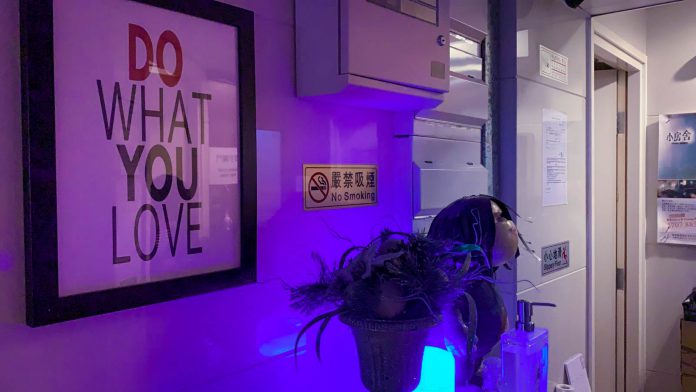
Charles* is one of the many youths who chooses to enjoy intimacy with their lovers in hotels instead of at home.
The 29-year-old, like many others in Hong Kong, shares a flat with his family. Despite having a room of his own, he still thinks that it is not an ideal private space to “Netflix and chill”.
“I want to keep my sex life and my family life apart,” he says. He considers visiting hotels for sexcation an act of respect towards both his parents and his partner.
“I want to keep my sex life and my family life apart.”
Tommy*, a 21-year-old student who lives with his family, also chooses to visit hotels for sex. He is worried that his parents may return home when he is making love with his girlfriend.
Tommy adds that sexcation allows him to spend quality time with his lover. “It is easier to get flirtatious with my girlfriend when we have sex in hotels rather than at home. The atmosphere is very different,” he says. “It feels like a private space where we can hang out, not just to have sex,” he adds.
The need for private space and privacy leads many youngsters in the city to indulge in their sexual desires at hotels instead of at home. According to a 2016 By-census report, 95 per cent of people aged 15 – 24 in Hong Kong were living with their parents.
Jakub*, a 20-year-old student, who also lives with his family, is a frequent sexcationer. He prefers spending romantic moments in hotels because he wants to have some privacy. “My parents always go into my room without knocking on the door,” he says.
He goes on sexcation at hotels once every two weeks and spends about HK $2,000 per month on accommodation.
Since the pandemic, hotel prices have decreased significantly. The average hotel price per day marked a 13.97 per cent decrease from December 2019 to March 2020 according to Colliers International, a global real estate investment firm.
* Source from Colliers International
A weekend getaway in a superior room at the Marco Polo Hong Kong Hotel, a five-star hotel in Tsim Sha Tsui, cost only HK $675 last February.
Jakub thinks that price is a major factor to consider when choosing hotels. “Sometimes I look on sexcation sharing pages on Instagram to find affordable hotels,” he says. Many Instagram pages are set up to share sexcation information, including prices, quality and services of different hotels for sexcationers.
Room Busters is a sexcation sharing Instagram page run by Chloe* and Hugo*. They started the page because they found a lack of sexcation information on the Internet. “Like how a foodie reviews different restaurants, we also review different hotels we visit for sexcations,” Hugo says.
Different coloured frames represent different price range. (Photo courtesy of Room Busters)
Goopenroom, another sexcation-sharing Instagram page with 11,300 followers, is run by Mr. K* and his girlfriend. Unlike other sexcation sharing pages, they also started a YouTube channel to share video reviews on top of text and photo reviews.
“Photos are not comprehensive enough for followers to get a clear view of the hotel rooms,” Mr. K says. Their videos feature thorough information about hotels, including transportation route, interior design and facilities.
“Many travel vloggers have filmed hotel reviews, but not many film reviews of hourly hotels. We may even be the first to do so in Hong Kong,” he says.
Mr. K and his girlfriend hope to provide more information on budget-friendly sexcation for young couples. “Most youths do not have much money, but they want to visit high-quality hotels at lower prices,” he adds.
Gooepnroom’s YouTube Channel (Photo courtesy of Goopenroom)
Other than four-star and five-star hotels, hourly love hotels are also popular alternatives for sexcationers.
Mansion G Hotel is an hourly hotel co-founded by Jenson* in 2017. It is the first hourly hotel in Hong Kong offering self-service check-in. A passcode is provided to customers prior to check-in through an instant-messaging application. Customers can then use the passcode to unlock the reserved room without any contact with a receptionist.
Hotel rooms are locked by automatic digital locks. (Photo courtesy of Mansion G Hotel)
“Some people feel awkward talking to a receptionist, and not everyone likes to have their sex lives revealed to strangers,” Jenson says.
Jenson reveals that his relatives do not approve of what he does and told him he would end up in hell for operating an hourly hotel. But he does not think so. “Booking a room for sex is just like booking a badminton court for badminton,” he says.
No.7 Fortress Hill Hotel is another hourly hotel that provides contactless check-in service. Yee*, the hotel owner, started a new branch in February amid the pandemic. “The pandemic did not have a significant impact on our business. People have more time to go on sexcations,” she says.
Yee also sells sex toys at her hotel. Customers can order sex toys during room reservation and the toys will be placed inside their rooms in advance. Among different types of sex toys she sells, disposable sex toys are the most popular.
A disposable sex toy sold in their hotel. (Photo courtesy of No.7 Fortress Hill Hotel)
“Customers do not dare to bring sex toys home. Even if they have purchased non-disposable ones, they would rather throw them away after using them than bring them home,” she says. She adds that disposable sex toys offer trouble-free and affordable sexual pleasure to sexcationers.
Sonia Wong Yuk-ying, lecturer of Gender Studies Programme at the Chinese University of Hong Kong, says as sexcation becomes more common, people finally have a place to fulfil their natural needs.
“Sex is supposed to be something happy, why do people have to act like drug smugglers when they go on sexcation?” she adds. Wong especially appreciates the contactless check-in service offered by some hourly hotels. “It is a nice gesture to destigmatise sexcation. People can just go there to relax and be in control of their privacy,” she says.
“Sex is supposed to be something happy, why do people have to act like drug smugglers when they go on sexcation?”
Wong points out that the need for sex and intimate space is always there, but the rise of sexcation sharing pages on social media has brought it to light.
“Being potent and sexually desired is great in our society. But at the same time, sex is still considered something shameful to talk about,” she adds.
Some gay men think coming out to parents will only cause trouble.
Young gays in China are struggling whether to tell their parents the truth…
By Jack Deng in Shenzhen
Ivan Chen*’s father threatened to cut ties with him when he talked with the family about homosexuals.
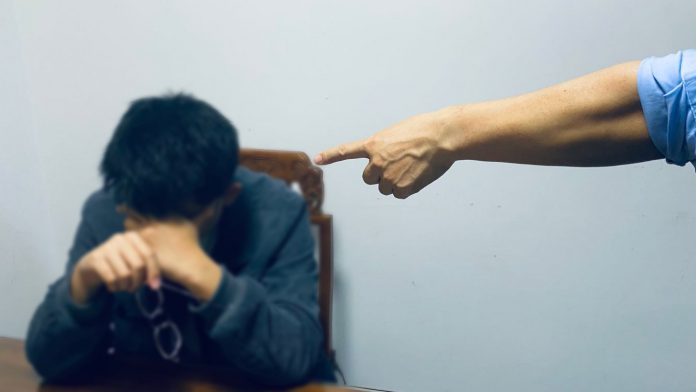
“If I know that you are having any connection with these people (homosexuals), I am going to break your legs and will never recognise you as my son,” Chen recalled what his father told him in 2014.
That was his father’s reaction when Chen tried to test his parents’ attitude towards homosexuals when he was a secondary school student.
The current year three university student who lives in Shenzhen realised he was gay when he was a boy.
He finally decided to come out to his parents in 2018 when he was 17. His parents could not accept it.
“After I told them that I am gay, my dad left home quietly for a while, as he could not believe what I told him,” Chen says.
Chen’s mother believes that being gay is a kind of mental illness, which is against the law of nature and can be cured.
“Every day she keeps asking me when I will find a girlfriend. She pretends that I am straight,” Chen says.
Chen’s parents think the continuity of their bloodline is the most important for the family.
“I understand my parents’ thoughts but it is uncomfortable for me to live in a family that doesn’t accept me as I am,” Chen says.
The Only Child
Unlike Chen, Austin Gong* chooses not to tell his parents that he is gay.
Gong is currently studying at Shandong University. As the only child in his family, his parents are urging him to get married and have a child after graduation.
The Chinese government introduced One-Child Policy in 1978. Under the policy, married couples could only have one child. Having a gay child in a family means the end of their family bloodline.
The government relaxed the policy in 2016 and married couples now can have two children.
Gong once overheard a conversation between his father and his father’s friends. Gong’s father said to his friends that he would wait for Gong to have a child rather than having another child himself.
Knowing his father’s thoughts, Gong decided to keep his homosexuality a secret.
“I have no confidence in my parents. They will not accept that I am gay. They cannot understand what is happening,” Gong says.
Gong is afraid of making his parents feel sad and disappointed. He thinks telling his parents his sexual orientation will only cause trouble. His solution is to bury his head in the sand just like an ostrich.
“The conservative views of older generations are the biggest barrier in communication. My parents might be afraid of people gossiping about me,” Gong says.
“I do not think same-sex marriage will be legalised in Mainland China. I probably will not tell my parents that I am gay forever. I can say that I am a DINK (Double-Income-No-Kids, couples who both have salaries but do not want children) to explain why I do not want to have babies,” Gong adds.
LGBT community in China.
Hesitation
Facing an equally difficult situation, Justin Zhang*, a gay student who is studying at Wuhan University, has a practical concern.
Zhang hesitates to come out to his parents due to his fear of losing their financial support.
“I can’t live on my own, so I have to get along with my parents well,” Zhang says.
Many times, Zhang’s father has asked him “When will you find a girlfriend?” publicly during family gatherings. This makes him speechless.
“I feel helpless when hearing what he says. I have no idea what reaction I should have. So I pretend that I do not hear him,” he says.
Zhang says that he is still finding a proper way to tell his parents that he is gay. He is not afraid of dealing with troubles or communicating with the older generation.
“I would like to tell them that only if I can live the way I want, I will be happy,” he says.
Keep Moving Forward
“It definitely takes time for the elderly to look at the gay community from a new angle, no matter they are parents from China or foreign countries.”
Ying Xin, executive director of Beijing LGBT Centre and a visiting scholar of Human Rights Advocate Programme (HRAP), School of International and Public Affairs at Columbia University, points out that it takes time for parents to accept the gay community.
“It definitely takes time for the elderly to look at the gay community from a new angle, no matter they are parents from China or foreign countries,” Xin says.
Xin acknowledges the influence of the One-Child Policy on the gay community.
“Many Chinese parents are eager to have grandchildren, and this puts pressure on their gay children. To seek a more liberal atmosphere and escape from their parents, these young people will move to big cities like Beijing or Shanghai. But that might make their parents feel even more worried. It is a vicious cycle,” Xin says.
Xin hopes that the public will accept the gay community, as the attitude of the Chinese government has become more positive.
“We can now see that discussions related to the homosexual group are happening in many areas such as policy, education, and culture. The cooperation opportunities of NGOs and enterprises are increasing. Our future path won’t be easy, but we will keep moving forward,” she says.
*Name changed at interviewee’s request/to protect the interviewee.
Edited by Charleen Chen Sub-edited by Laurissa Liu
Telemedicine has become a more common practice in recent years, owing to COVID-19 and its convenience.
By Winkie Ng
Wilson Leung Wai-Hon takes a picture of his tongue and sends it to a Chinese medicine practitioner through WhatsApp for consultation when he feels unwell.
The 58-year-old man has started using this new mode of medical consultation, telemedicine, since the beginning of 2020.
“I am too busy to go to the clinic, but I need to consult my Chinese medicine practitioner. So I use WhatsApp for consultation,” he says.
Leung has so far used telemedicine two to three times. He says he will keep using it, even pulse diagnosis cannot be conducted. “It saves me at least an hour of waiting,” he says.
“It saves me at least an hour of waiting.”
According to the World Medical Association, telemedicine is the practice of medicine over a distance, in which interventions, diagnoses, therapeutic decisions, and subsequent treatment recommendations are based on patient data, documents, and other information transmitted through telecommunication systems.
In Hong Kong, both public and private hospitals are developing and practising telemedicine in recent years.
The Hospital Authority has developed an application for patients who opt for telemed service.
Hospital Authority (HA) has expanded the application of teleconsultation service to non-urgent patients like psychiatric patients or patients requiring follow-up consultations amidst the pandemic, according to its website.
Video consultation has also been applied by HA for follow-up treatment. Rehabilitation of patients is supported through its mobile application, called “HA Go”, launched on December 12, 2019.
One of the features is “TeleHealth”, where patients can attend medical appointments remotely to have consultations with doctors or nurses via the app.
The Kowloon East Cluster with three hospitals piloted video consultation in March 2020, firstly introduced in six departments, including ear, nose and throat.
Private hospitals like Matilda International Hospital and Hong Kong Sanatorium & Hospital also provide online consultations, charging one-time video consultations for family medicine for HK$320 to HK$560.
Doctors Adapting the New Mode
Lau Sin-yu, a registered Chinese medicine practitioner from Yu Yat Tong Chinese Medicine Clinic, has started practising telemedicine since mid-February 2020.
Lau Sin-yu, a registered Chinese medicine practitioner from Yu Yat Tong Chinese Medicine Clinic. (Photo courtesy of Lau Sin-yu)
“The service was launched during the COVID-19 surge. The infection risk is higher for the infirm like the elderly and patients with chronic illness. But medical supplies were not enough,” she says. “Telemedicine was helpful in providing remote treatment and follow-up during that time.”
“Telemedicine was helpful in providing remote treatment and follow-up during that time.”
Lau explained that before treatment, patients are asked to note down their symptoms on a form. Doctors will receive it and look through the related documents attached, such as pictures of patient’s tongue or skin problems. Details of patients’ situations will be asked over phone calls. Medicine will then be delivered to their home.
“By referring to the forms submitted beforehand, we can learn about patients’ symptoms and related information to get ready, which is more efficient,” she says.
“For common internal diseases like menstrual disorder and skin problems, sufficient information can be collected from observation and interrogation for treatment,” Lau adds.
But she points out that telemedicine is not suitable for urgent cases and trauma like sprain, as palpation cannot be carried out.
Through telemedicine, she says doctors can overcome geographical limitations to treat the disabled and patients living in remote areas with internal diseases.
Mediating Doctors and Patients
DoctorNow is a video consultation application launched in January 2020.
David Wong, the chief operating officer of DoctorNow, sees the potential of telemedicine in Hong Kong. He is optimistic about the future of telemedicine because of its convenience and technological advancement.
DoctorNow is a video consultation application launched in January 2020, helping patients with mild illnesses such as cold, skin problems, and minor emotional distress. It also arranges follow-up consultations for patients with chronic illness.
It now has around 4,000 users, of which about 60% are locals and the rest are expatriates. It has handled about 2,000 cases, mostly aged from 30 to 50.
“Customers started using our app because of COVID-19. But what keeps them using it is its convenience, comparing to consulting doctors in physical clinics,” he says.
“Customers started using our app because of COVID-19. But what keeps them using it is its convenience, comparing to consulting doctors in physical clinics.”
For the elderly, Wong says they need help from family members to have video consultations. “They have video consultations through Zoom and WhatsApp video call, but not our app, as it is too complicated for them,” he adds.
Steps for using DoctorNow App (Sources: David Wong and DoctorNow’s website)
Wong recalls difficulties they had when developing the application.
“We wanted an app with many functions, just like another Zoom. But the cost is quite high. It took about HK $3 million for invention and maintenance,” he says.
Wong says it took them a year to recruit 22 doctors, as many doctors are not familiar with conducting video consultations. Now the platform has 38 doctors.
“In the future, we plan to add more features to the app such as autonomous health management platform and selling health products,” he says.
Present and Future of Telemedicine in Hong Kong
Dr. Daniel Tong King-hung founded the Hong Kong Telemedicine Association (HKTA) in 2016. He sees telemedicine as one of the applications of technology in the practice of medicine, not a replacement for traditional medical consultation.
“Using technology appropriately in different situations can reduce medical costs and cut down waiting time for patients… It does not take away doctors’ professional responsibilities, instead, it provides easier access for patients to receive medical services,” Tong adds.
“I used to work for HA, where I saw the shortcomings of the healthcare system in Hong Kong, so I founded this association. Hong Kong should have a more effective method to run the health care system,” he says.
Tong thinks the development of telemedicine in Hong Kong is lagging behind, comparing to other countries.
The health department under the Australian government launched “Telehealth Pilots Programme” in 2012 to subsidize successful pilot project proposals to develop and deliver telehealth services.
In December 2019, the Hong Kong Medical Council laid down the “Ethical Guidelines on Practice of Telemedicine” that stipulates some generic principles for medical practitioners who substitute telehealth for traditional modes of medical care delivery and/or advice.
“Everything has to start somewhere. Though slowly, we can still create things perfectly step by step. Even though Hong Kong is lagging behind, we may take reference from others’ practices and apply them into suitable aspects. I believe telemedicine would develop pretty well here,” Tong says.
While 2020 was marked as a banner year for China Podcast, the industry remains niche and faces heavier censorship.
By Ryan Li in Shanghai
When Shawn Gong initiated his programme Liqi X Podcast (利器X播客) in January 2019, his goal was to find out how Chinese podcasters produce their series and to provide practical information for beginners in this field.
Having interviewed around ten independent podcasters in China, he found that it is easy to join but difficult to stay in the industry.
Gong says podcasters have to decide what to talk about and whom to talk with when preparing for an episode. Discussion outlines have to be written and communicated with guest speakers in advance.
“It seems easy to simply talk in podcasts, but it takes great effort to produce inspiring contents,” Gong says.
2020 Boom
Chen Caiwei is a bilingual reporter and a former English podcast producer based in Beijing who used to produce works for other programmes. She decided to start her own show in January 2021.
“Podcasts have drawn much attention in 2020, and I would like to have my own show at the beginning of a new year,” Chen says.
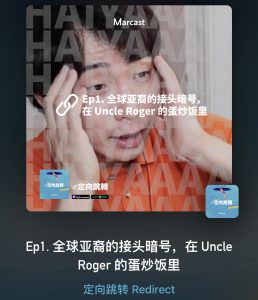
First episode of Chen Caiwei’s podcast.
Her first episode was about YouTuber Uncle Roger, a Malaysian American famous for criticising westerners for wrongly cooking egg-fried rice, and went on to discuss self-identity of Asian Americans.
As a member of “Generation Z” herself, the 24-year-old lady wants to do something new in the podcast market. “I’ve always wanted to be a critic discussing internet phenomenon from a youngster’s perspective,” Chen says.
The podcast industry in China witnessed a boom in the last three quarters of 2020, with thousands of newcomers like Chen joining the field. According to ListenNotes, a podcast search engine and database, 6,539 new Chinese podcast players joined the market during this period.
Podcast is nothing new to China. Podcast programmes such as Antiwave (反波), in which the hosts examined Chinese media in a critical way, can be traced back to 2005. But it took a long time to build an audience.
Play with the Rules
While 2020 was marked as a banner year for China podcast, podcasters are wary of censorship as popularity of the medium grows.
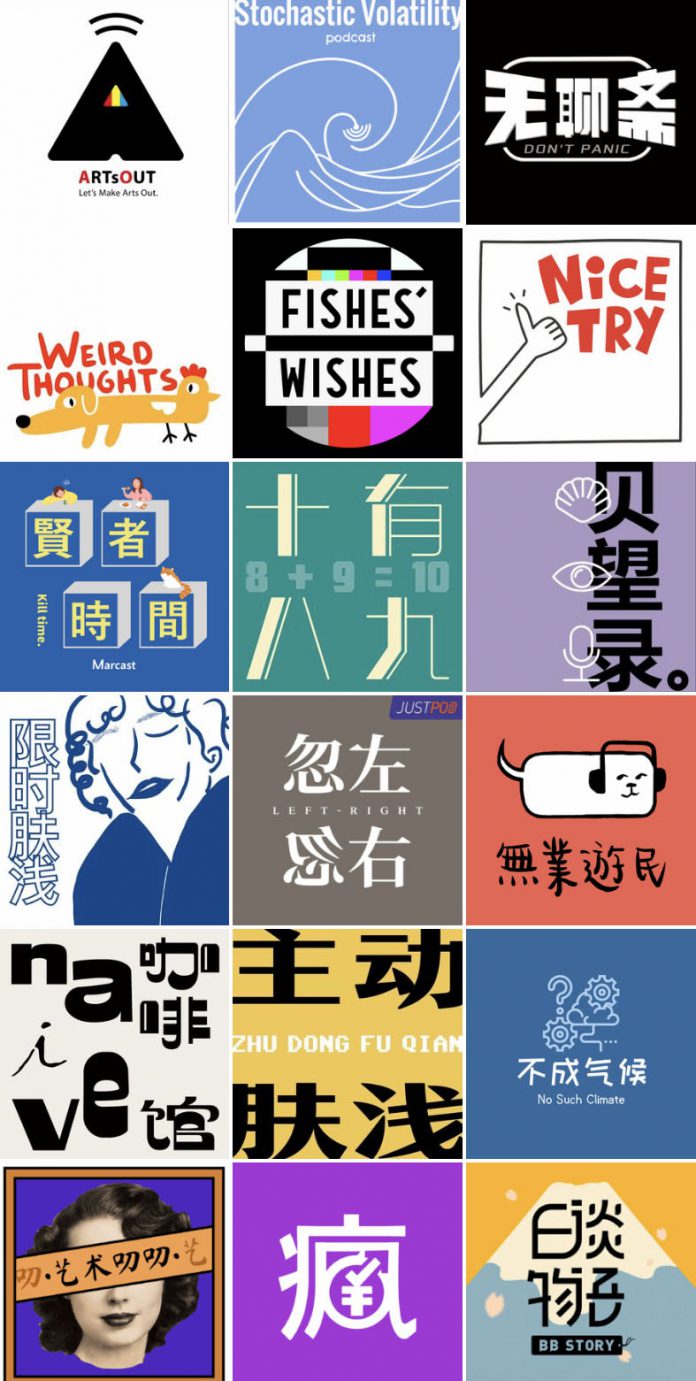
Qi Zhenyu started The Unemployable (無業游民) with several friends in 2018. He came to Hong Kong in 2010 for graduate study, and worked as a journalist for various local media for 6 years, including covering Chinese politics for The Initium, a Hong Kong-based online media outlet.
Since all media outlets Qi worked for are blocked in mainland China, Mainland Chinese without Virtual Private Network (VPN) cannot read stories he produced. Through podcast, Qi wants to reach to those inside the Great Firewall of China.
But it is not easy. As a former Chinese politics observer, he knows well that not a single field in China can go beyond government’s control. Podcast is no exception.
“I am not optimistic that Chinese podcasts could broaden the boundaries of public discussion by a large margin,” he adds.
“Are there any podcasts covering controversial political issues? Have any of them discussed the flood that happened in Southern China during July and August?”
There is growing evidence that podcasts aiming at discussion of politics are under increasing pressure in China. Podcast programme Surplus Value (剩餘價值), in which three female media practitioners discuss social issues from a feminist perspective is one example.
The show was permanently suspended in February 2020 after one of its episodes criticised government policies, such as shutting down Wuhan city during the outbreak of COVID-19, as improper. Its Weibo and Alipay accounts were also shut down.
The 51th episode of Surplus Value is now unavailable.
“Are there any podcasts covering controversial political issues? Have any of them discussed the flood that happened in Southern China during July and August?” Qi asks.
The answer is no. But it does not mean that nothing can be done.
“Sometimes playing with the rules is like writing an essay with an assigned topic, and this is exactly what most current Chinese podcasters, who are also former professional media practitioners, are good at,” Qi says.
The three podcasters of Surplus Value, after the programme was permanently shut down, established a new podcast Stochastic Volatility (隨機波動) in March 2020, using the same initials in English, covering similar topics.
“I still believe that there is space to work around the system and do something interesting,” Qi adds.
“Sometimes playing with the rules is like writing an essay with an assigned topic, and this is exactly what most current Chinese podcasters, who are also former professional media practitioners, are good at.”
An “Unhealthy” Industry
Yang Yi, co-founder and chief operating officer (COO) of JustPod, a Chinese digital audio company which specialises in podcast production established in 2018, thinks the current Chinese podcast industry is “unhealthy”.
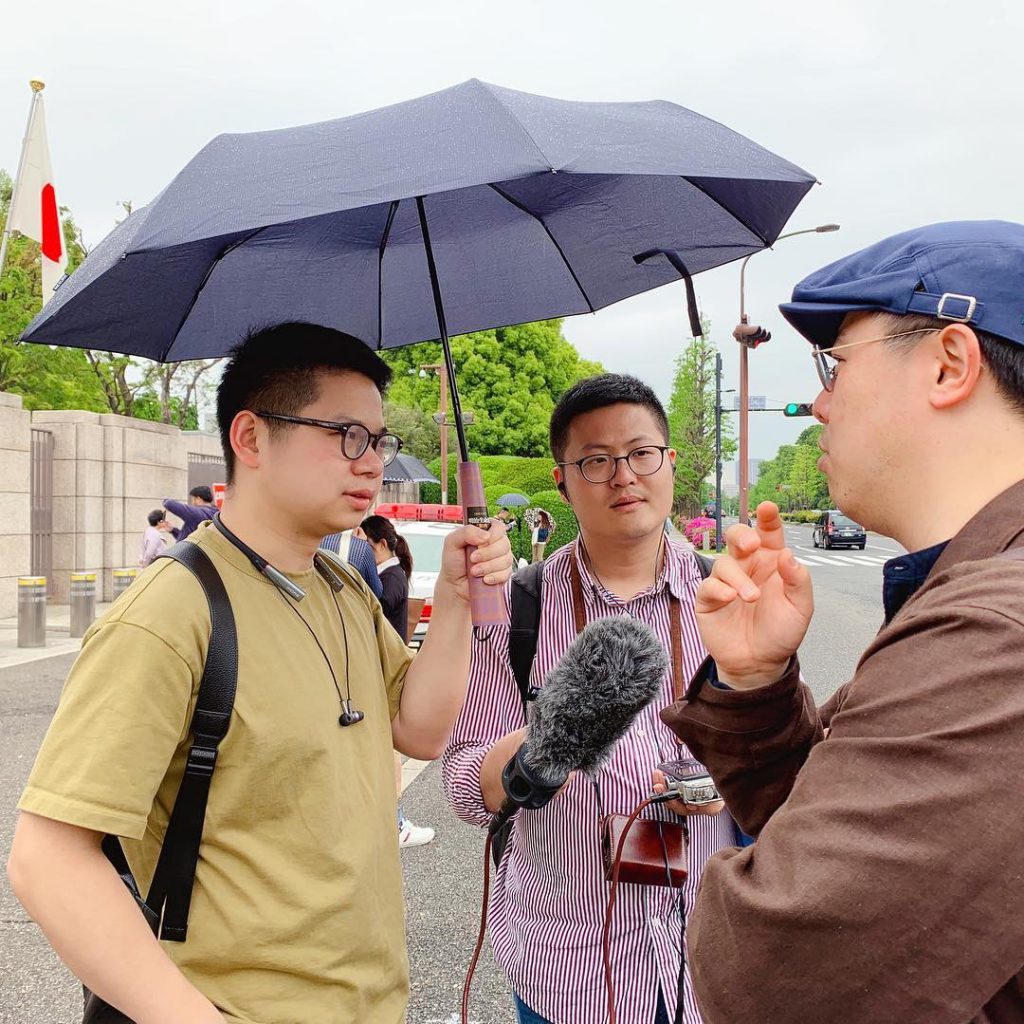
Yang Yi (middle) conducts an interview for podcast Left-Right. (Photo courtesy of Yang Yi)
“It’s not an ideal situation. What’s the point of only having independent podcasts in this field?” Yang says, referring to the situation that most podcasters are independent or amateur, while there are few podcasts produced by big companies.
Yang, who is also a long-term podcast industry observer, witnesses that in the U.S., leading production agencies such as New York Times, NPR and Gimlet media coexist with independent podcasts covering trivia such as pizzas or elevators.
Data from Edison Research and Triton Digital, which conducts market research for businesses and media organizations, shows that 55 per cent of Americans aged 12 or above have listened to a podcast in 2020.
In China, most listeners were young and single, highly educated and living in big cities, according to the Audience and Consumption Research conducted by PodFest China, an annual conference for Chinese podcasters and others involved in the field, in 2020.
“Since these people only constitute a minority of the whole Chinese society, it’s definitely problematic that they take up 90 per cent of the resources of podcast as a medium,” Yang explains. “Podcast should be accessible to everyone,” he says.
Yang also observes that most podcast shows are conversations and talks. He thinks such tradition can be traced back to the country’s traditional broadcasting system.
“Talk shows or phone-in programmes are typical. That’s all we know about audio. We’ve never listened to anything else,” he adds, referring to the lack of narrative and fictional shows telling intriguing stories in China’s podcast market.
But Yang also believes Chinese podcasts have great potential to develop and create their own way. How diverse podcasts are professionally and institutionally produced in more mature Western markets can be learnt and applied to China’s context.
“To a certain extent, we are standing on the shoulders of giants,” he says.
Wong Chun-hei virtually travels to Mount Fuji with Google Earth. (Photo courtesy of Wong Chun-hei)
Local artists and art organisations are taking creative ways to adapt to the virtual realm under COVID-19 pandemic, but some fear that joys, experiences, and transactions of the art world are hard to replicate on-screen.
By Bonnie Yam
Stephen Wong Chun-hei, who used to do frequent outdoor sketching, can only paint virtual scenery at home now as pandemic wears on.
The 34-year-old landscape artist has started “travelling” and painting with Google Earth since March 2020. He shares his works with his 2,255 followers on Facebook.
Wong has “travelled” to many places, such as Salisbury Cathedral in England, which he visited before, and Merry Cemetery in Romania. Wong also takes virtual tours to some destinations he never thought he could visit in real life, such as unreachable sites around Mount Fuji.
Wong Chun-hei virtually travelled to Mount Fuji in August 2020. (Photo courtesy of Wong Chun-hei)
Other than painting alone, Wong occasionally invites friends and followers to join his virtual trips by initiating the “Google Earth Sketching Challenge”.
In the challenge, he tags friends under each of his virtual scenery paintings and provides them with a GPS coordinate that refers to a specific place. Individuals taking on the challenge are required to paint the scenery on screen. Participants include Wong’s social media followers, as well as famous local artists Chow Chun-fai and Yeung Hok-tak.
Individuals taking on the “Google Earth Sketching Challenge” are required to paint sceneries on screen.
“I am surprised that artists who have not been tagged by me on Facebook still voluntarily join the ‘challenge’,” Wong says. “Although all artists I tagged previously accepted the invitation, there is no large circulation, as it takes time to finish a piece,” Wong adds.
“Though I enjoy sketching with Google Earth, I still prefer doing outdoor sketching. But for the moment, it is the best alternative I have,” he says.
Innovating under the Pandemic
As fears of COVID-19 infection keep buyers away from galleries, exhibitions and networking events, art organisations also innovate by pushing for digital transformation of art sales.
‘Art in the Field’, a local non-profit art organisation, launched a Takeaway Art project in December 2020.
“Shutdown of venues made us rethink the possibility of art under the pandemic,” Roy Wong Chung-him, programme coordinator of Art in the Field, says.
Art in the Field, a local non-profit art organisation, launched the Takeaway Art project in December 2020. (Photo courtesy of Art in the Field)
Under the project, the team provides administrative service while artists arrange transactions with buyers by themselves.
“We used to work in physical venues that are more controllable and familiar to us,” Wong recalls. “There are many uncertainties with art takeaway, such as the content and venue,” he says.
Although more preparation is needed, he hopes that Takeaway Art can attract artists to employ different art mediums.
Apart from hosting art events online, May Cheung Yuet-ming, chairman of Innovative Arts & Media Association, says many local artists put their works up for sale on online platforms.
Online sales of artworks worldwide accounted for 37 per cent of total sales in the first half of 2020, a huge jump from 10 per cent in 2019, according to a report co-published by UBS and Art Basel.
But Cheung noted that while the online mode boosts flexibility, it is hardly sustainable or scalable.
“As there is no cost for sharing or liking, netizens are more willing to like or share than buying their works,” Cheung says.
“Many netizens bought artworks to support the artists, but not in appreciation of their works. So artists cannot secure continuous income from online platforms,” she explains.
Cheung suggests that artists improve administrative and executive skills, such as writing themselves an attractive bibliography. She points out while most foreign artists have a bibliography, only around 10 per cent of local, non-commercial artists that she knows has one.
“Many netizens bought artworks to support the artists, but not in appreciation of their works. So artists cannot secure continuous income from online platforms.”
A Poor Substitute
While both artists and art organisations actively adapt to the virtual realm, Teresa Kwong Pui-see, Programme Director at Hong Kong Arts Centre, says online mode cannot replace physical events for artistic exchanges.
Kwong was initially surprised by audiences’ active participation during the first online workshop under the Cultural Masseurs Programme in November 2020, as physical ones were cancelled under the pandemic.
The programme was designed to bring art into lives via guided tours, talks, workshops, internship and apprenticeship, as well as the process of art-making.
Cultural Masseurs held various art workshops via Zoom and Facebook to boost cross-disciplinary online learning. Source: official website of Cultural Masseurs
“Since audiences now cannot reach out to others physically, they have a strong desire to collaborate, communicate and express themselves,” Kwong says. “So when opportunities for group work come, they are very keen to show great willingness inparticipating,” she adds.
Kwong later finds that online workshops are not an ideal substitute for physical interaction. “We really want to have a chit-chat salon in which guests and artists can mingle. But physical networking events are suspended up until today,” Kwong says.
The Hong Kong government relaxed temporary ban on some businesses on February 18, allowing the re-opening of cinemas, performance venues and museums. But Cultural Masseurs will still hold their workshops online for February and March.
Art lover, Ray Chan Chak, shares Kwong’s view. He finds virtual art experiences unpleasant.
Chan joined the online PolyU Design Degree Show last year, and quit just after 10 minutes of viewing.
“My eyes felt uncomfortable,” Chan recalls. “The sense of reality was absent, so I did not want to continue watching the online exhibition,” he explains.
“I find physical interaction important in artistic activities. As the interaction allows audiences to feel artists’ emotions and thoughts more intimately,” Chan adds.
“The sense of reality was absent, so I did not want to continue watching the online exhibition.”
Chinese as a Second Language learners struggle to learn Chinese under the current curriculum.
By Victoria Fong
Alysha Bibi, a year one
student at the University of Hong Kong, only started to learn Hong Kong Chinese
seriously when she was first enrolled in a local secondary school in Hong Kong
at the age of 12. While local students were having regular Chinese classes at
school, she had to attend one-on-one Chinese classes to catch up to her peers
when she was in Form One. Form One is the first year of secondary school in
Hong Kong, traditionally taken at the age of 12 or 13.
Despite being born and
raised in Hong Kong, Bibi never received proper Chinese education before
secondary school. The journalism student studied at Li Cheng Uk Government
Primary School, where traditionally a large part of the student body hails from
ethnic minority backgrounds. Chinese lessons there only covered basic
knowledge.
“I didn’t even know how
to write my name (in Chinese) when I was in primary school. I didn’t even know
how to write my school’s Chinese name either. All I remember was counting numbers,”
Bibi says.
When Bibi entered
secondary school, she discovered that her Chinese knowledge was not enough to
handle the curriculum. She remembers being unable to answer questions in Form
One Chinese History classes due to her inadequate Chinese level.
“The question was ‘What
policy was implemented by the emperor?’ and I remember my Chinese was so bad
that I answered: ‘He ate fruit,’” she recalls.
Bibi’s Chinese improved
after attending one-on-one classes in Form One. In Form Three, she started
learning Chinese with Form One Chinese students. In Form Six, she eventually
took the Applied Learning Chinese (ApL(C)) examination.
The ApL(C) subject was
introduced as an alternative qualification for the Chinese Language (Category
A) subject in the Hong Kong Diploma of Secondary Education (HKDSE) examination
in the school year of 2014-2015.
According to the Hong
Kong Examinations and Assessment Authority (HKEAA), the results of Attained and
Attained with Distinction in ApL(C) are equivalent to Level 2 and Level 3 or
above of the Category A Chinese subject in HKDSE respectively.
Her school’s focus on
Bibi’s Chinese education came at the expense of other learning opportunities.
Believing Bibi needed to set aside more time to study Chinese, her teachers
persuaded her to take only two DSE electives.
“(The teachers) said,
‘You need (to focus on) Chinese, it’s too difficult for you’, so I ended up
choosing two electives,” she explains.
To enter any of the Joint University Programmes Admissions System (JUPAS) participating institutions, applicants are required to attain Level 3 or above in the Category A Chinese Language DSE exam. Non-Chinese speaking (NCS) students are allowed to take alternative Chinese language exams as a substitute for this requirement. ApL(C) is one of the alternative options.
Alternative Chinese language qualifications and the minimum grade required for admission into the JUPAS participating institutions*
ApL(C)
GCE (A-Level)
GCE (AS Level)
GCE (O-Level)
GCSE
IGCSE
The University of Hong Kong
Attained
Grade E
Grade E
Grade E
Grade E
Grade E
The Chinese University of Hong Kong
Attained
Grade E
Grade E
Grade E
Grade C
Grade C
The Hong Kong University of Science and Technology
Attained
Grade E
Grade E
Grade E
Grade E
Grade E
City University of Hong Kong
Attained
Grade E
Grade E
Not recognised
Grade C
Grade C
The Hong Kong Polytechnic University
Attained
Grade E
Grade E
Grade C
Grade C
Grade C
Hong Kong Baptist University
Attained
Grade E
Grade E
Grade C
Grade C
Grade C
Lingnan University
Attained
Grade E
Grade E
Grade C
Grade C
Grade C
The Open University of Hong Kong
Attained
Grade E
Grade E
Grade E
Grade E
Grade E
The Education University of Hong Kong
Attained
Grade E
Grade E
Grade C
Grade C
Grade C
*Source from JUPAS *Certain programmes do not accept alternative Chinese language requirements, or will require applicants to submit additional proof of Chinese language proficiency in order to be accepted into the programme.
Two Sides of the Same Coin
While some non-Chinese speaking (NCS) students, like Bibi,
spend their secondary school catching up on Chinese, other NCS students enter
secondary school to discover that they are sent back to square one.
Chetrit Nipurna KC is one of them. KC, also born and raised
in Hong Kong, is a 21-year-old studying law at City University of Hong Kong.
KC learned Chinese in primary school. When she left primary
school, her Chinese level was comparable to other local Primary Six students.
She then continued her study at Delia Memorial School (Hip Wo). She was placed in her school’s Chinese as a Second Language (CSL) curriculum where she studied the General Certificate of Secondary Education (GCSE) Chinese curriculum. GCSE Chinese is equivalent to Primary Three level in Hong Kong.
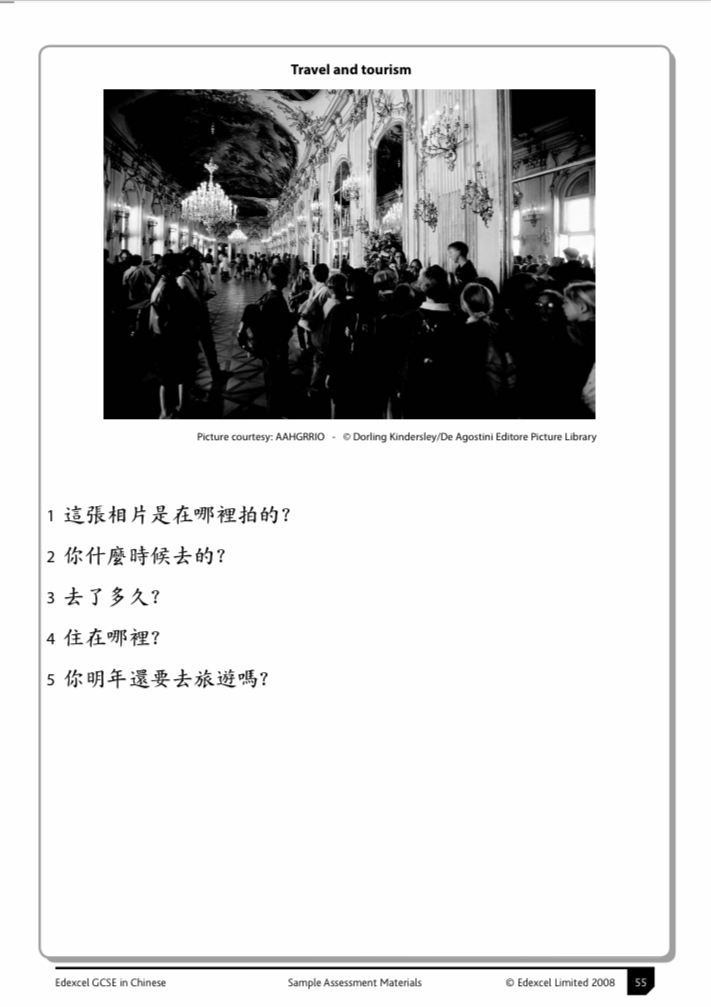
Sample assessment material of the GCSE Chinese Speaking in Chinese exam.
KC observes that her class was composed of
students with varying Chinese levels. While some of her classmates found the
curriculum useful, she found it repetitive.
“There were students from other countries who
had never learned Chinese before and those who were relatively weaker in
Chinese, so (the GCSE Chinese curriculum) was beneficial to them. But for me,
it wasn’t very beneficial,” she explains.
KC believes her Chinese would be better if she had
progressed instead of going backwards in secondary school.
“I felt like my efforts in primary school were in vain,” she says. “By adjusting the level in Form One, it made me think Chinese was easy and demotivated me to learn Chinese.”
“I felt like my efforts in primary school were in vain. By adjusting the level in Form One, it made me think Chinese was easy and demotivated me to learn Chinese.”
Bibi and KC’s experiences stem from the lack of a
standardised CSL curriculum.
The Curriculum Development Council of the Education Bureau
published a Supplementary Guide to the Chinese Language Curriculum for
Non-Chinese Speaking Students in 2008. The guide explains the Chinese Language
curriculum framework “provides schools with flexibility and autonomy”. Teachers
are advised to adjust the curriculum and teaching strategies according to the
abilities and interests of NCS students.
But the guide is not a standardised CSL curriculum.
According to Hong Kong Unison, a non-government organization
advocating for ethnic minority rights, the lack of concrete objectives means
Chinese learning is school-based. Different schools offer different
examinations and curricula, based on university entrance requirements.
JUPAS, the main system for students to apply for
undergraduate programmes in Hong Kong, accepts six alternative qualifications
in Chinese for NCS students, including ApL(C) and GCSE. The alternative
qualifications vary greatly in their level of difficulty, resulting in uneven
levels of achievement for CSL learners.
Local School’s Struggle
Wong Kai-chi is a Chinese teacher for non-Chinese speaking
students in True Light Girls’ College, a local secondary school. He identifies
the difference in NCS students’ Chinese proficiency as a serious challenge.
NCS students in the school take international Chinese
examinations in Form Four or Five, such as GCSE and General Certificate of
Education (GCE).
The school has admitted students whose Chinese are at
Primary One standards. One student did not know any Chinese. At the same time,
they have admitted students whose abilities are on par with their local peers.
He questions how teachers could design curricula for students with such different language levels. “What if these students are in the same form or the same class? How should teachers design the curriculum? Which textbook should be used? Does the textbook matter in this case?” he says.
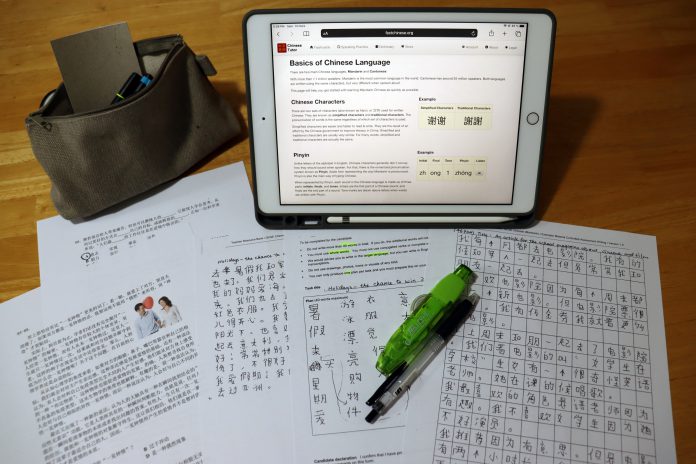
Chinese learning materials for Chinese as a Second Language learners.
“We try our best to help our students. But if we had to arrange tutorial classes for students with different Chinese abilities, then we would need infinite classes,” he says.
“If we had to arrange tutorial classes for students with different Chinese abilities, then we would need infinite classes.“
Turning Over a New Leaf
Professor Gary Wong Yu-ka from the Department of Curriculum
and Instruction at the Chinese University of Hong Kong explains that the CSL
framework does not provide clear instructions for teachers.
“Without clear instructions, teachers are unsure of what
exactly they should do to achieve the learning goals of the framework,” says
Wong.
“For first language learners, there are textbooks, clear
level descriptors and assessment tools. Teachers have a clear picture on how to
teach them,” he adds.
Wong believes that the first step to improve the CSL
curriculum is to implement a systemic
assessment for NCS students in Hong Kong.
“We have to first understand the general performance of
these students before we can establish reasonable learning goals,” he says. The
education professor believes this is feasible, as
territory-wide assessments like the HKDSE examination have long existed.
Wong believes that there must be a clear understanding of
their abilities. Only then can scholars and teachers design a curriculum with
specific learning purposes and assessment tools. “Without a set of standards
for reference, discussions on a better curriculum would be groundless,” he
says.
Imagining a New Curriculum
Pete Cheng Juk-hei, communication officer of Hong Kong
Unison, explains that the government’s framework lacks a “second language
learning perspective element.” The framework divides the learning stages for
the first-language curriculum into smaller fractions, which is called the
‘small-step’ approach.
“The current framework is a fragmented version of the
first-language curriculum,” Cheng explains. “Supplementary resources are still
based on a framework that is developed from a first-language perspective,” he
adds.
“A better education policy should include assessment methods, effective monitoring, key performance indicators, professional development for teachers, home-school cooperation, and holistic description of stages of learning,” he says.
Edited by Patricia Ricafort Sub-edited by Shell Zhang