








Home Blog Page 117

Artist Village in Wan Chai

Reporters: Lotus Lau, Billy Leung, Charlie Leung
Editor: Jennifer Kwok

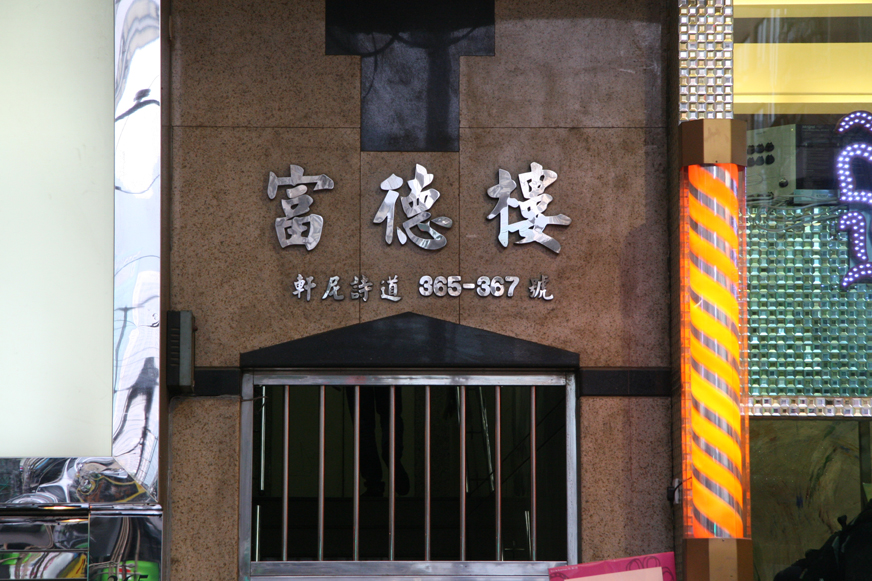
Foo Tak Building in Wan Chai looks like any other old tenement building. It is easily overshadowed by Wan Chai’s flashy new blocks and impressive heritage buildings. But behind its ordinary appearance, Foo Tak has much more to offer.

Foo Tak Building was built in 1968. After a major renovation in 2003, the building’s main landlady no longer wanted to run it as a residential building. This was when she encountered the cultural critic and video artist May Fung Mei-wah in a conference about local artists. It was then that she suddenly came up with the idea of turning Foo Tak Building into an artists’ village.

But it takes more than enthusiasm and financial means to do the job. Lacking knowledge of and insights into the cultural circle, the landlady enlisted Fung, who has been working in the art circle for years and has extensive experience and networks in the field. She then took a back seat and let Fung do the screening of artists.

“I act like a middleman. Studios in factories buildings and art villages were not common at that time so I helped her.” says Fung.

Fung says the criteria for selecting tenants is simple: any artist or cultural group who is too poor to afford to rent a place at market rates and has a clear goal for their work is eligible to move in. Over the years, she has selected numerous artists – from painters, indie movie-makers to publishers, Foo Tak has them all.

Since 2008, Fung has been joined by Kobe Ho Ting-ting, to manage Foo Tak’s affairs. Ho also runs a bookstore named Art and Culture Outreach (ACO) on the first floor.

The books available here are very different from those in mainstream bookstores. You will not find any bestsellers because Ho only sells books that are generally neglected yet important.

With the help of her partner Sunny Chan Dart-sun, Ho started a small restaurant, Slow Experience in March this year. Unlike ordinary restaurants in Hong Kong, it is set up with a progressive vision of promoting sustainable development through dining..

None of these could have happened were it not for the existence of Foo Tak Building. “There would be no Slow experience without Foo Tak Building,” says Ho, “If we didn’t have this space in Foo Tak Building, we wouldn’t have the platform to promote this new experience to the citizens.”

The Foo Tak model runs counter to that of a top-down scheme put forward by the government. It allows for greater flexibility and freedom which encourages mutual trust between owner and tenants. For Ho, this is what makes Food Tak Building stand out from the crowd.

Vincent Chui Wan-Shun, Artistic Director of Ying E Chi, a group that promotes and distributes local independent films, is one of the tenants here. Chui says his rent is astonishingly cheap for Wan Chai. But apart from that, he also appreciates the relaxed management style of Foo Tak Building which enables things to develop organically. Chui believes this can be more fruitful than government involvement.

“The Hong Kong government can’t solve the problem by just throwing some money now and again,” says Chui, “Many times, the community can also do a good job, and it’d be great if [the government] could put some resources into advancing the community’s work.”

Another artist to benefit from Foo Tak is Roy Tsui, one of the founders of the monthly pamphlet, Black Paper. Tsui says what sets Foo Tak apart is the warmth of the relationships between those who work in the building..

“You can’t find this kind of interaction in any IFC office,” says Tsui, “This is what’s so valuable apart from the cheap rent.”

As the old Chinese saying goes “things work the best when you don’t force it”, this definitely applies to the Foo Tak artists’ village.
Dancing Life

Reporters: Jennifer Xu, Joana U, Stephanie Chan
Editor: Hazel Chung

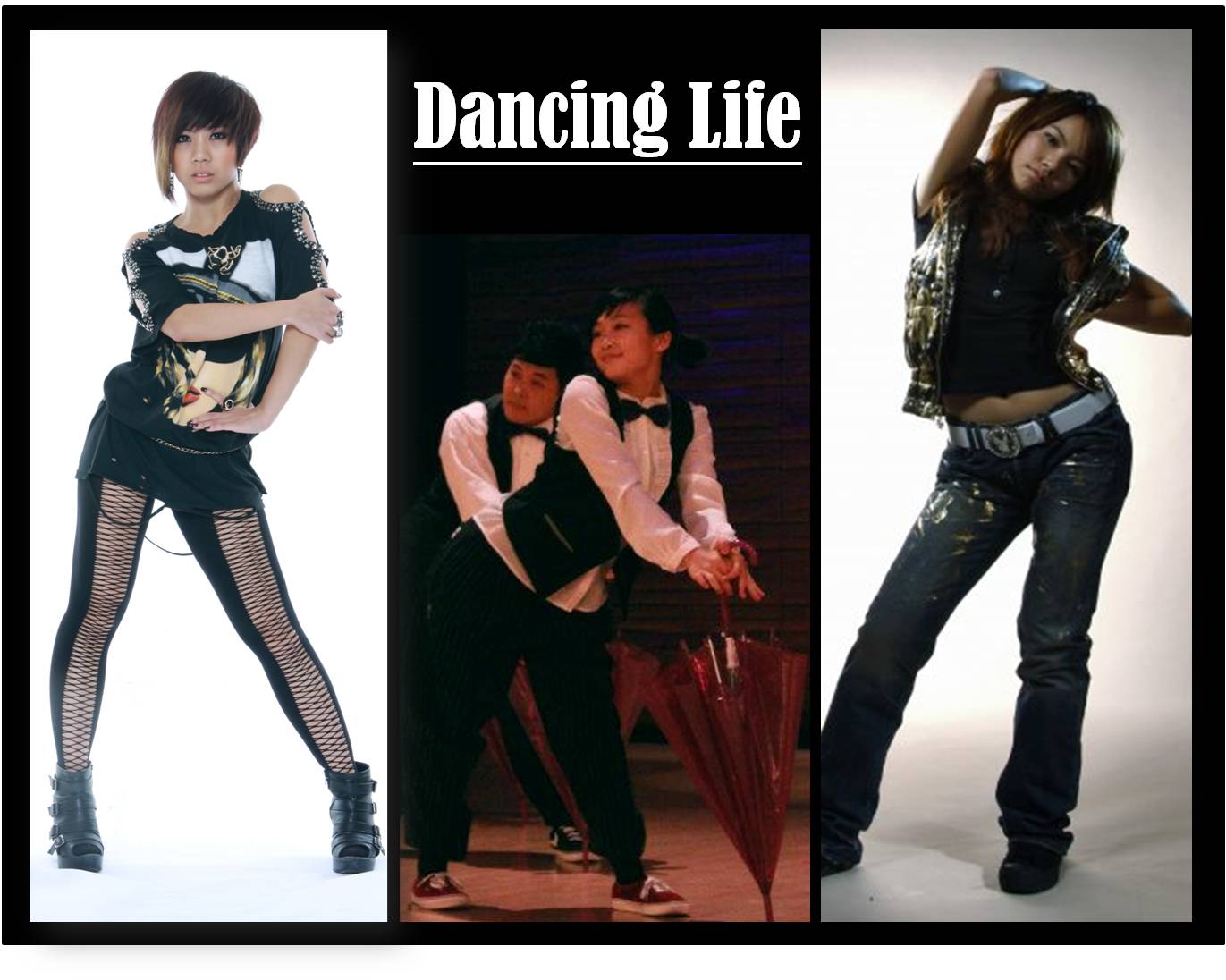
Many Hong Kong parents might be worried if their kids told them they wanted to become dancers. The perception is that dancers are people who did not excel academically and did not have many choices after leaving school.

In reality, many dancers are graduates who have given up potentially lucrative professions to work hard at pursuing their dreams.

Ho Ka-yan an Economics graduate inform the Chinese University of Hong Kong (CUHK), says she followed society’s prescribed routine by studying for a degree. But she never liked it. Instead, dancing is what makes her feel alive and gives her a sense of self.

This caused tensions in her relationship with members of her family because they equated dancing with “being bad”. However, she thinks they should support her instead, since she is confident that she has found the most meaningful and valuable thing in her life.

Cheung Tsz-kwan, who is studying Business Administration at CUHK, is also passionate about dance. She wants to teach it as she enjoys sharing and inspiring others through doing what she loves.

Cheung says she will finish her studies because a degree will her safety net. But she has no ambitions to get a job at a big company and work steadily up the corporate ladder. Instead she just wants to find a stable job that will allow her to carry on dancing in her spare time.

Cheung admits that her dance schedule of five to six sessions a week does not leave her much time to study. Instead of what she gets out of dance, she can only list what dance takes out of her – time and energy. Still, she is compelled to do it because her passion for dancing means she is prepared to make sacrifices.

Perhaps Cheung can take a leaf out of Fiona Chan’s book. Chan graduated from the Polytechnic University of Hong Kong and now works as a part-time dancer and full-time clerk.

Chan has been dedicated to dance since she was a student. At university, she worked very hard as a private tutor to earn enough money to join an exchange programme in America. There, she met and danced with world-renowned professional dancers.

Chan works hard to achieve a work-life balance. She insists that instead of tiring her out after work, dancing gives her a fresh burst of energy. A physically demanding session of dance energises her for another day of work.

Dance gives her more self-confidence and self-assurance. Without it, Chan says she would have been a very shy person, someone who did not do well at school and who would have been looked down upon by her peers. For Fiona Chan, dance was a turning point in life. “I can’t say dance is my life, but dance changes my life,” she says.

Hong Kong Bikers Shrug off Gang Stereotypes

Reporters: Sandy Ho, Gienne Lee, Krizto Chan
Editor: Victor Chan

Motorbikes and scooters are a common enough sight in Hong Kong. Often they are ridden by couriers and delivery workers.

The sight of riders on large bikes, wearing matching uniforms bearing flashy Harley-Davison logos roaring through Tsim Sha Tsui are a rarer picture. Heads turn as the group zooms through the busy streets.

But this is no fearsome biker gang. It is a group of biking enthusiasts from all walks of life.

Physician Leung Kai-man is one of them. He says that contrary to the perception most motorbikers are uneducated, unsavoury types, the group includes doctors, businessmen, a choreography instructor, an architect and a coach. “We talk about everything at gatherings. It’s not only about motorbikes.”

Dr Leung adds their activities are not all about thrill-seeking,“We organized charity rides and asked for permission beforehand,” he says.

Dr Leung spends time and money on refitting his motorbikes – like repainting, upgrading engines and attaching logos. It is a labour of love but he does worry his passion for bikes might disturb the neighbours because the engines are so loud.

“The neighbors should come to get you!” jokes his wife, who like him is also a doctor and a biking enthusiast..

Dr Leung Man-ching says motorbikes do not have to be macho. They are also for women.

“Motorbiking is a lifestyle. It can be applied to fashion and everything,” she says as she shows off her collection of pink helmets and cutesy masks for motorbiking.

Varsity December 2011 – Editor’s Note

Bygones are not bygones

Be it universal suffrage or the minimum wage, Hong Kongers hotly debate the big issues every day. We show our interest in various issues and stories by watching the news on television or reading newspapers and magazines.

But our attention span does not usually last for long and our interest in the issue of the day will wane. It may be considered a luxury for an issue or a person to grasp the media’s attention for more than three days.

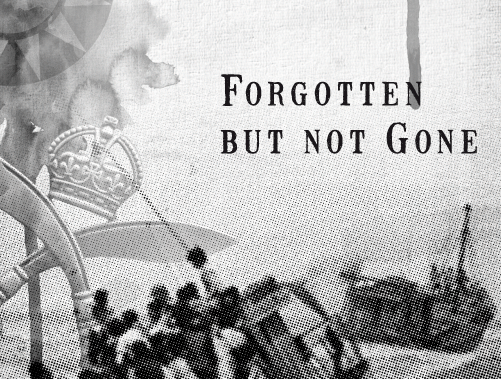
Issues and characters that once formed part of Hong Kong’s pre-1997 landscape and mediascape have faded from our consciousness. Take the Kuomintang (KMT) presence in Hong Kong, the Gurkha soldiers and refugees and asylum seekers – they have been all but forgotten.

In December’s issue, Varsity delves into the stories of these forgotten groups.

The Kuomintang, or Nationalist party used to have many active supporters in Hong Kong. Their influence extended to cultural spheres such as the cinema and to organizations such as schools and labour unions. By the time of the handover, and even more so after 1997,  KMT followers and activities are hardly seen. We talked to some KMT supporters to see if they still have the Nationalist fervour.

Gurkhas were stationed in Hong Kong right up to the final days of the British colony.   After 1997, some of the soldiers chose to live in Hong Kong, though many others chose to leave. However, their children have returned to make their lives here.  We look at some of the problems they encounter when they make Hong Kong their home.

We also look at how refugees and asylum seekers struggle to survive under the government’s refugee policy. The issue of refugees was a prominent one when boatloads of asylum seekers from Vietnam arrived in Hong Kong starting from the 1970s. With the ‘settlement’ of the Vietnamese boat people issue, refugees  in Hong Kong have faded from the public eye.

In the People section, we profile the painter and actor Chan Min-leung and activist Vivian Leung Tai Yuet-kam. Chan is perhaps better recognized as a TV villain but he shows Varsity what a dedicated artist he is.  Leung is an unlikely activist, a homemakers who always is not afraid to stand up for what she believes in and puts her words into action.

Enjoy!


Victor Chan
Managin Editor


White Sun Sets in Hong Kong

Kuomintang presence and influence have waned since 1997, but Nationalist sympathies remain alive in Hong Kong.

Reporter: Margaret Ng Yee Man,Christine Tai

Outside a two-storey house, tucked away in Zhongshan Park in Tuen Mun, some 200 people gathered in front of a memorial bust of Sun Yat-sen on October 10 to raise the flag and sing the anthem of the Republic of China (R.O.C.). Their display of patriotic fervour was to mark the annual Double Tenth Festival and, more particularly, the 100th anniversary of the Xinhai revolution which saw the overthrow of China’s last imperial rulers.

The house, known as Red House, was one of the command centres from where Sun, the man regarded as the father of modern China, planned uprisings and coups against the Manchu government between 1901 and 1911.

Through Sun and his fellow revolutionaries, Hong Kong developed strong historical links with the republican revolution in mainland China. Later, it would also have links with the party founded by Sun, the Kuomintang (KMT), or Nationalist Party. Those links grew after the ruling KMT was defeated by the Chinese Communist Party and forced to retreat to Taiwan in 1949.

The then British colony became a haven for thousands of KMT soldiers. They were first settled in refugee centres in Kai Lung Wan on Hong Kong Island. However, the colonial government decided to move the Nationalists to a more remote spot after riots broke out on October 10, 1956 when government officers tried to remove R.O.C. flags in Lei Cheng Uk. The community was moved to Rennie’s Mill, now known as Tiu Keng Leng.

This enclave came to symbolize the KMT in Hong Kong in the minds of many Hong Kong people. But it was not the only place where the KMT’s presence was felt in the colony.

Chang Chak-yan, who teaches Asian comparative politics at The Chinese University of Hong Kong, says the KMT organised many social activities in Hong Kong before 1997. The colonial government was tolerant of the activities as long as they were not too overtly political.

In fact, it did not take long after 1949 for the KMT’s influence to spread through Hong Kong society. In the early years after the civil war, the territory became a propaganda battleground between the rival governments in Taipei and Beijing.

The R.O.C.’s flag symbolising a white sun in a blue sky and the red earth flew freely in the New Territories and KMT-subsidized schools like Hong Kong Tak Ming College and Chu Hai College of Higher Education were established along with pro-Taiwan trade unions like the Kowloon and Hong Kong Trades Union Council.

Once We Were Warriors

Hong Kong’s Gurkha Brigades left in 1997, but the soldiers’ children are returning to make Hong Kong home

Reporter: Yvonne Yeung, Cherry Ge

As Hong Kong prepared for the handover of sovereignty from Britain to China in 1997, a military band played “Sunset” on their bagpipes on a polo field in Sek Kong, Yuen Long.

The date was November 1, 1996 and the men were “beating retreat”, a military ceremony to mark the end of the 48-year presence of the Gurkha brigades in Hong Kong.

It is now 14 years since the territory’s 700 Gurkha servicemen were redeployed but their legacy lives on in Hong Kong’s small but growing Nepali community, and in the annual Trailwalker charity event.

“It will be legendary if we can see Gurkhas competing against the People’s Liberation Army (PLA) in the 30th anniversary Oxfam challenge in Hong Kong,” says Danny Thapa. Thapa, now 57, served in the British Army for 20 years, from 1972 to 1992. He was one of the men involved in mapping out the original Trailwalker route.

Trailwalker began in 1981 as a British army training exercise led by the Hong Kong Gurkha Signals Squadron. The exercise raised HK$80,000 to help the Spastics Association of Hong Kong and build a library in a poor Nepalese village.

In 1986, teams of civilians were allowed to take part and Oxfam Hong Kong was brought in to help organize the event. Oxfam Trailwalker has since become one of the largest fundraising sports events in Hong Kong. It is also held in 11 other countries around the world.

An event that tests physical and mental endurance and teamwork, Trailwalker symbolizes the Gurkha spirit.

“Better to die than be a coward” is the motto of the fearsome Nepalese fighters, who became an integral part of the British Army. The name “Gurkha” comes from the hill town of Gorkha, the ancestral hometown of the Nepalese royal family.

Gurkha soldiers fought on the frontline for the British army for 200 years. They participated in the two World Wars, and were assigned to Hong Kong, where their security duties included patrolling the border to prevent the entry of illegal immigrants from the mainland.

After the handover in 1997, the regiment moved to the United Kingdom. Only a few ex-servicemen chose to remain in Hong Kong and make their living here.

Danny Thapa was one of them. After leaving the army in 1992, he got a job as a manager in the manufacturing sector. He says the transition was challenging but not one that he could not overcome. “It takes time to adjust, as we have to face the world as an individual rather than a unit,” he recalls.

Thapa says the Gurkhas who stayed in Hong Kong served in a variety of roles in the military. Most of them were in the infantry but there were also significant numbers of engineers, logisticians and signals specialists.

In the army, Thapa gained knowledge and experience in communications and  electronics, which gave him a wider choice of employment in civilian life. “The UK Ministry of Defence (MoD) provided education for related trades and training in the army in order to make sure each serviceman was capable of surviving even after they resign,” he says.

Living in Limbo

Refugees and asylum-seekers in Hong Kong struggle to survive under the government’s current refugee policy.

Reporters: Lotus Lau , John Yip

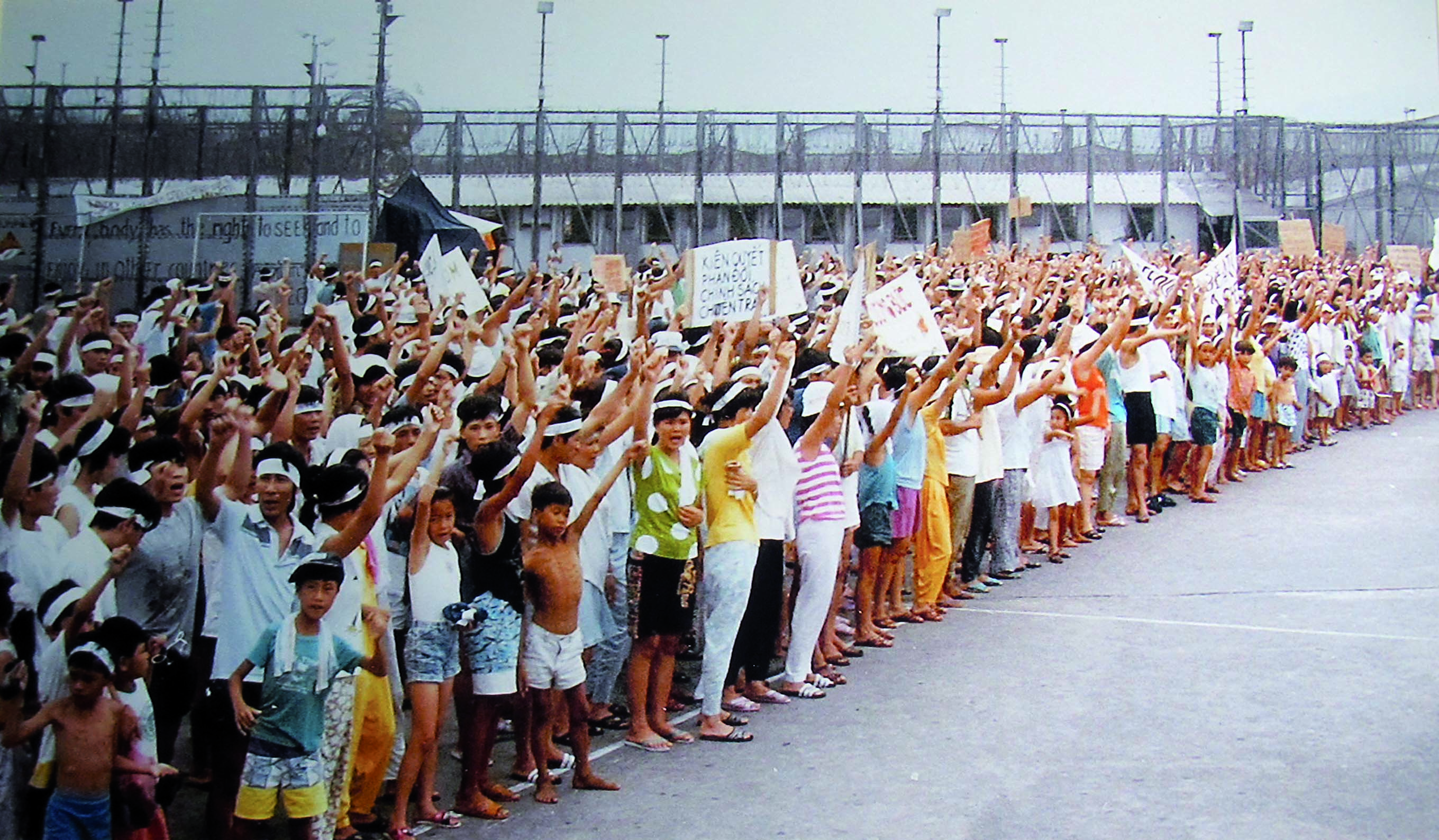
For many people in Hong Kong, the word “refugee” conjures up images of violent riots at detention camps and people being carried kicking and screaming onto airplanes to be repatriated to their home country.

Starting in the mid 1970s and throughout the 1980s until the early 1990s, boat loads of Vietnamese refugees and asylum seekers arrived in Hong Kong. They were fleeing persecution and seeking a better life in the countries of the West.

“Bắt đầu từ nay”, meaning “beginning from now” became the only Vietnamese phrase most people in Hong Kong knew. It was the opening phrase from a broadcast on public radio here, warning asylum seekers and migrants that they would be repatriated to Vietnam.

By 2000, most of the 200,000 Vietnamese boat people in Hong Kong had either been granted asylum in western countries or repatriated and around 1,400 refugees and migrants were allowed to settle in the territory.

Society at large considered Hong Kong’s refugee “problem” to be over and the issue of refugees faded from public consciousness.

Yet, Hong Kong continues to be a refuge for people fleeing persecution. According to the United Nations High Commission Refugees (UNHCR) there are currently more than 700 refugees and asylum seekers in Hong Kong.

The UNHCR defines a refugee as a person with a “well-founded fear of being persecuted for reasons of race, religion, nationality, membership of a particular social group, or political opinion,” who is unable to return to their country because of that fear.

Adam, a refugee who refused to disclose his real name, left his family and travelled across half the world from East Africa to Hong Kong seven years ago. He had been persecuted in his home country for alleged political subversion and was eager to seek peace and safety here.

Adam was lucky in being granted refugee status just five days after his arrival. Some other asylum seekers may have to wait for two to three years on average. At first, he felt very grateful just for the safety he enjoyed here. As time went by, he began to want more out of life but Hong Kong could only provide the minimal for survival.

Refugees in Hong Kong are taken care of by the United Nations (UN). The UN provides financial aid through the Hong Kong branch of the International Social Service Hong Kong Branch (ISS-HK). To ensure refugees’ basic shelter and food needs are met, they are given HK$1,500 for rent, which is paid directly to their landlords, and another HK$1,200 for food, transport and other daily necessities.

Time to be a Dad

What paid paternity leave means for Hong Kong’s new dads and dads to be?

Reporter:Billy Leung, Stephanie Chan

Welcoming a new baby is one of the most precious moments in life, but it can also be a stressful, chaotic and overwhelming time. It takes time for new parents to adjust to their new identities and responsibilities. This autumn, there was good news for civil servants who are expecting to be fathers, as the government announced it would introduce paid paternity leave for its employees.

Civil servants may enjoy paid paternity leave starting from the second half of next year, but the wait for most private sector workers will be longer. The government says it will conduct a feasibility study before making any recommendations on that front.

For those Hong Kong dads who have been given paid time off work to spend time with their newborns, the benefits are tangible.

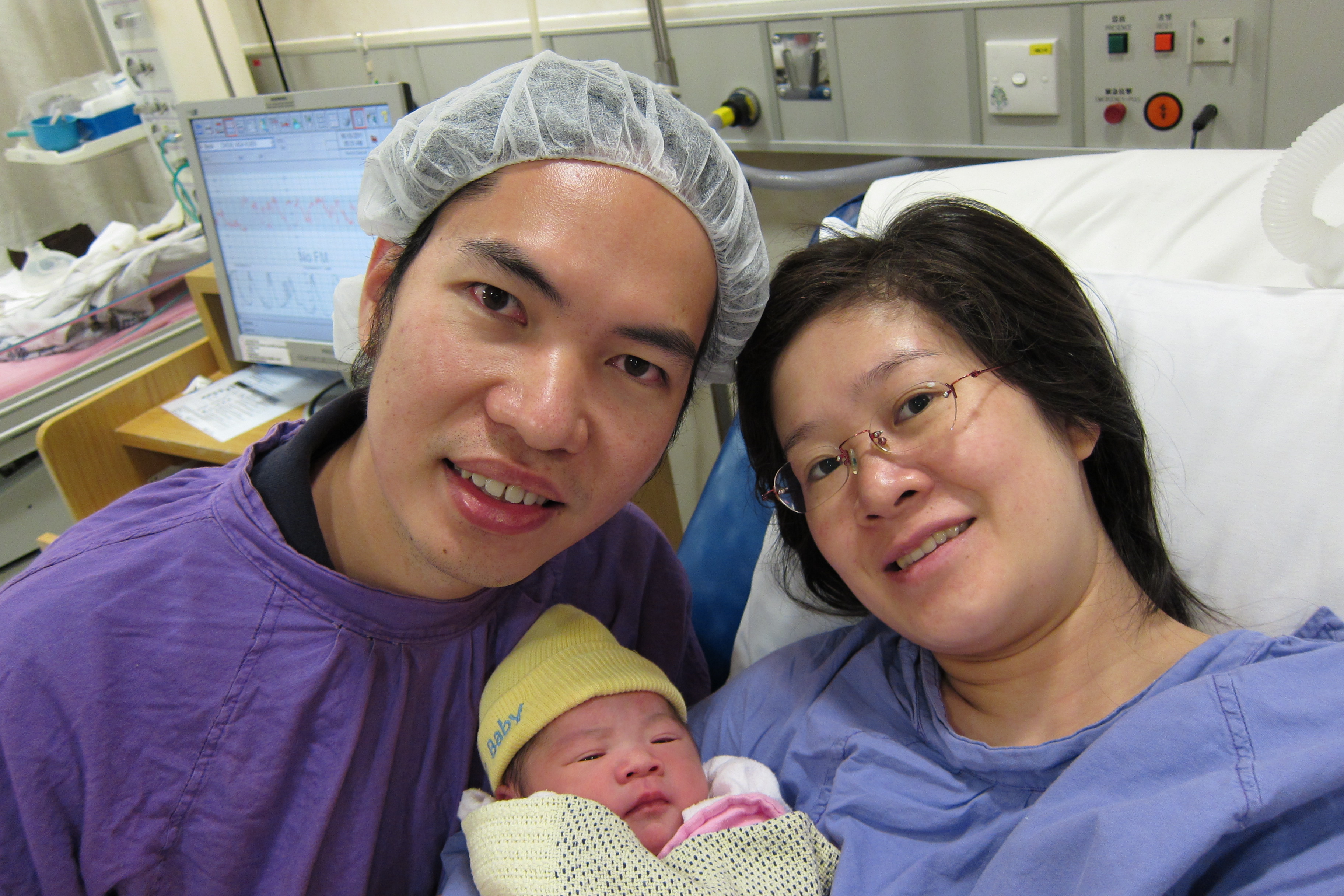
Colin Cheung Kwok-lam, a studio technician at the Chinese University of Hong Kong, took his five days paid paternity leave in October. “I was not just physically by [my wife’s] side but I could also provide emotional care and comfort to my wife and baby,” Cheung says of his week at home.

Cheung says he was able to help his wife in very practical ways. “I could accompany them home from the hospital, cook for my wife, and take my child to the clinic.”

What is more, Cheung says he experienced a miraculous bonding with his baby during his one-week leave. Although he is just an infant, Cheung finds his son can recognize those who are closest to him. “When I hold him in my arms, he feels comfortable and natural,” Cheung says. “But he does not react naturally when others hold him in their arms.”

Cheung’s wife approves of the workplace policy. She believes her husband’s presence has helped her to adapt to the change in their lifestyle and that Cheung has been able to share the burden of taking care of the newborn. For his part, Cheung believes his presence aided his wife’s recovery and eased any emotional problems she may have otherwise experienced.

Speaking as a mother, Mimi Choy, director of the Talent Management Department of Hong Kong Broadband Network Limited, also thinks it is crucial for mothers to have support from their partners after childbirth. She recalls the emotional roller coaster that new mothers go through as a result of hormones and the sudden changes to their lives.

Choy’s company provides paternity leave for all its male employees with the aim of creating a better workplace. Since 2007, male staff are entitled to two days paid leave.

“Apart from their work, employees also bear family responsibilities,” says Choy. “Family problems would in turn affect their job performance if they cannot handle them well.” According to Choy, whether the leave is paid or not is not the most important thing; the crucial point is to give employees time to concentrate on their family affairs.

Time is what Peter Tung, who works for New World Telecom, needed after his baby was born. After giving birth, his wife’s health deteriorated and she suffered from high blood pressure.

Peel Off the Label

Most Filipinos in Hong Kong may be  domestic helpers but who are the rest?

Reporters:Dorothy Goh, Joyce Lee

On any given Sunday in Central, the weekday business suits and power dressing gives way to a more casual and diverse ensemble of outfits. The space around the former Legislative Council building fills up with groups of Asian women sitting on flower-shaped mats and enjoying elaborate picnics. There air is filled with the sound laughter, of conversations and songs in Tagalog. A visitor stumbling onto the scene may feel she is in the Philippines.

As of the end of September 2011, there were 163,800 Filipinos in Hong Kong, according to statistics from the Immigration Department. This makes the Filipino community the largest population of expatriates in the city.

According to a survey of 208 local people conducted by Varsity earlier this month, 97 percent of respondents said their immediate association with Filipinos is domestic helpers. However, while most of the Filipinos in Hong Kong do work as domestic helpers, the territory is also home to Filipino professionals and business people who have regular working visas or permanent residency.

Rey De Guzman came to Hong Kong on a working visa four years ago to work for an international electronics company. Later, he decided to start his own business, Dogside Café, a canine friendly eatery and meeting place in Causeway Bay. The business is doing well as De Guzman has successfully targeted Hong Kong’s middle class pet-lovers.

De Guzman’s experience is a Filipino success story highlighting the opportunities to be had in this city. But not every Filipino professional in Hong Kong has found it so easy to start and then advance their career here.

“You just feel like you have to prove yourself all the time.” says Daisy Mandap, Editor of the Sun, an English language newspaper circulated widely within the Filipino community in Hong Kong.

Mandap is a permanent resident of Hong Kong, along with her husband and their two daughters. Before coming here to work as a journalist 24 years ago, she had been a lawyer and a journalist in the Philippines.

Mandap has personally experienced discrimination as a professional Filipino working in Hong Kong. She worked for ATV for 10 years as an English news producer and editor. One time an anchor who had never written a story wanted to change a line in one of her scripts, arguing that Mandap did not even speak the language. Mandap replied that she had studied the language and it was more important to study a language than to just speak it without understanding whether or not what you are saying is right.

She says she came to the realisation that, “No matter how hard you worked, there is always either a white person or Chinese person above you.”

Not only did Mandap feel that her professional skills were questioned by her co-workers, she says the mere fact of being a Filipina meant she has been mistaken for a domestic helper, even by her compatriots.

Varsity Survey on Hong Kong People’s Perspectives to Filipinos