Home Blog Page 84

The Force Awakened: Rise of Small Parties in Taiwan’s Politics

From the barricades to the ballots, 2016’s legislative yuan polls became a battlefield for post-sunflower small parties who hoped to make inroads in Taiwan’s politics.

By  Thomas Chan, Angel Liu, Frances Sit

Taiwan’s political landscape has long been dominated by two main camps, the pan-blues led by the Kuomintang (KMT) and the pan-greens, led by the Democratic Progressive Party (DPP).

The so-called Sunflower Movement of 2014 has changed that picture. Not only did the student-led protests against a controversial trade pact with China highlight a desire for change in Taiwan politics, it also got more people involved in working for the change they wanted. In the post-sunflower era, young activists and civil society advocates have formed new parties, bringing fresh faces to the political scene.

These small parties first gained public attention in 2014’s nine-in-one elections – which elected local officials such as municipal mayors and councillors. They hope to bring attention to unresolved social issues and chart a third path in Taiwan politics.

After eight years in power, public dissatisfaction with the KMT grew due to its failure to turn the lackluster economy around and its stance on cross-strait relations. But not all Taiwanese were ready to fully trust the DPP because of its cosy relationship with corporations and the track record of disgraced ex-president Chen Shiu bian. Into this mix, the emergence of small parties offered an alternative choice for voters looking for a “third force” to bring change to Taiwan.  

The first nationwide vote since the nine-in-one elections, 2016’s Taiwan presidential and Legislative Yuan polls were seen as a litmus test on whether the Sunflower social movement has had a transformative effect on Taiwan’s political landscape. It was also a test on whether the newcomers could win public approval and chip away at the dominance of the two major parties.

Although the New Power Party managed to win five seats in the parliament, the DDP and the KMT still hold majority of seats – 103 out of 113. But the fact that the NPP managed to become third biggest party already marks a major shift in Taiwan’s political landscape.

Graphic 1: Results of Taiwan Legislative Yuan Election: 2012 vs 2016

GRAPH 1


An unprecedented 28 parties fought the 2016 legislative yuan polls, and small parties faced an uphill battle in the race.  

Graphic 2: Taiwan Legislative Yuan Election Participants: 2012 vs 2016

GRAPH 2


In addition to the lack of financial resources and manpower, Taiwan’s voting system also makes its harder for small parties to enter the yuan. Electoral laws designed to favour a two-party system means small parties candidates have to face barriers as soon as they enter the election process.

Every party must first pay a NT$ 200,000 deposit for each candidate to just participate in legislative polls. This sum poses little problem for large parties who already have seats in the 2012-2016 legislative term. If a party had obtained more than 5 percent of total votes in 2012’s polls, it could get an annual subsidy of NT$50 per vote over the four-year term – more than enough to cover the election deposit.

This deposit cuts deep into the pockets of small parties, many of which run solely on donations from supporters. Many of the candidates were left with limited funds to run their campaigns after paying the deposit. Although the threshold for subsidy has been lowered to 3.5 percent for 2016’s polls, funding problems still remain a big obstacle for small parties when most small parties couldn’t reach this ratio. In 2016’s election, the New Power Party is  only party apart from the long-established DPP, KMT, People First Party and New Party that has passed this threshold.

Taiwan’s electoral system also poses a great challenge to small parties.

Graphic 3: Taiwan Legislative Yuan Election Voting System

ly election system-01


The 113 legislative seats are divided between district-based and proportional allocated legislator-at-large seats. The small number of seats creates large districts which favor incumbents, who have more resources and local contacts. The small amount of proportionally representation seats also means each party can only get a limited number of seats even if they passed the 5% threshold.

Graphic 4: Thresholds of Party Votes

ly election system-02

Vote as a “Taiwanese”

  Many foreigners are not entitled to vote in Taiwan, as dual citizenship is not allowed

By Macau Mak & Stella Tsang

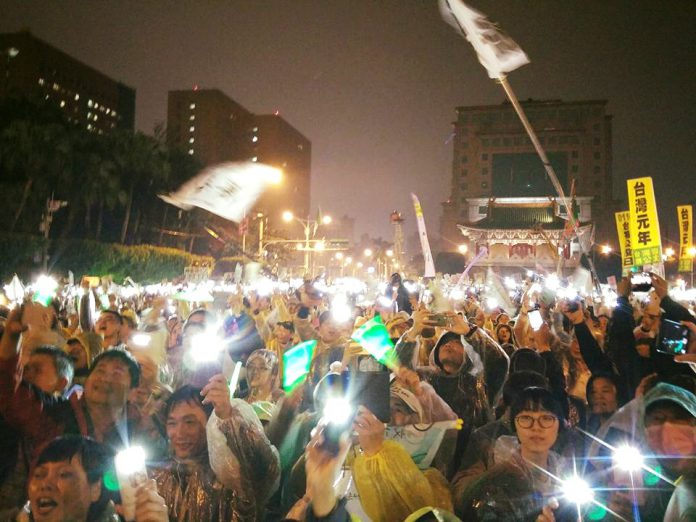
On the evening of January 16th, more than 20,000 supporters of Taiwan’s Democratic Progressive Party (DPP) gathered at the party’s campaign headquarters in Taipei. They erupted in cheers and waved green flags as fireworks lit up the sky. “President Tsai, dong xuan!” they cried, proclaiming the victory of Tsai Ing-wen in the local Minnan dialect.

The election was a landmark because Taiwan not only elected its first female president but also gave the DPP its first majority in the island’s Legislative Yuan.

In the seaside town of Tamsui in the northern part of New Taipei city, customers at a small coffee shop watched these events unfold on their mobile devices.

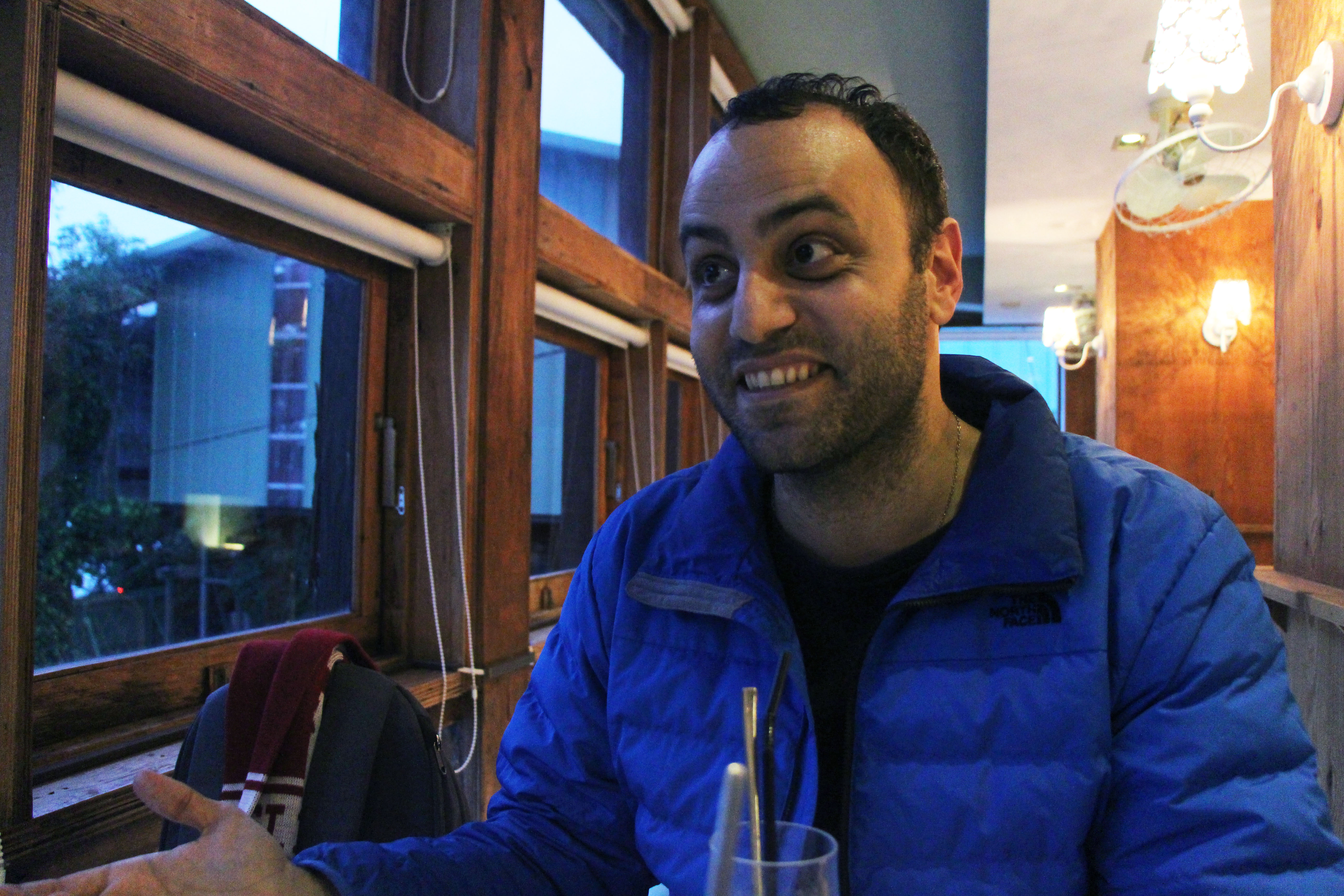
Elias Emmanuel Gasparis

Among them was 32 year-old Elias Gasparis, a Greek-Canadian raised in Canada, who enthusiastically followed and discussed the developments and results with his Taiwanese wife.

Gasparis, who teaches English in a local school and has lived in Taiwan for more than five years takes a strong interest in local current affairs. “I really want to be involved (in the election) because I have a daughter and my wife is pregnant,” says Gasparis. “I want to be able to have some say in this country where my family is living.”

Gasparis sees Taiwan as his long-term home and has applied for an Alien Permanent Resident Certificate for permanent residency after meeting the five year residency requirement. But even after he gets the certificate, Gasparis will not be able to vote because in Taiwan, only Republic of China (R.O.C.) nationals are allowed to vote. The government does not allow naturalized R.O.C. nationals to have dual nationality, and Gasparis wants to keep his Canadian citizenship.

Contrast this with Hong Kong, where under Article 24 of the Basic Law, foreigners can register to vote once they acquire permanent residency after living in the city continuously for seven years.

According to Taiwan’s National Immigration Agency, more than 700,000 foreigners had either temporary or permanent residency in Taiwan in December 2015. To become R.O.C. nationals, foreign residents have to first relinquish their original nationality. One of the reasons that few are willing to do so is because there are concerns that foreigners can only be “second-class citizens”. Gasparis mentions the case of a woman who became stateless after relinquishing her Vietnamese nationality, only to be stripped of R.O.C. citizenship in 2013 for having an extra-marital affair. Authorities deemed this to mean she had violated the requirements for morality stipulated in the Nationality Law.

Many local Taiwanese are not aware of the issues surrounding voting rights and complex nationality rules as they apply to foreigners. Gasparis recalls that during last year’s local election, some politicians visited his school. They only recognized what the issues were after foreign teachers explained them.

Another long-time resident in Taiwan who is keen to vote is American Kerim Friedman. Friedman has taught in the Department of Ethnic Relations and Culture of Donghua University for 10 years and actively participates in local social movements. But like Gasparis, he prefers to keep his own citizenship. “My parents are still there (America). I still have family there and I’m still connected to United States,” he says.
Foreigners

Voting for equality in love and the law

What does the election of the first president who publicly supports same-sex marriage mean for LGBT rights in Taiwan? 
By Yan Li and Rachel Cheung 

On 31st October last year, tens of thousands of people took to the streets of Taipei waving rainbow flags and shouting slogans, not in protest but to celebrate LGBT (lesbian, gay, bisexual and transgender) rights at the 13th Taiwan Pride parade.Untitled

On the same day, the chairwoman of the Democratic Progressive Party (DPP), Tsai Ing-wen posted a video on Facebook declaring her support for same-sex marriage. In the 15-second video, which has been viewed close to a million times on the social media platform alone, Tsai says “In the face of love, everyone is equal”.

Just three months later, Tsai swept the island’s presidential election and became the first Taiwan leader who has publicly endorsed same-sex marriage. It should be a milestone, but some activists view the endorsement as a political move designed to appeal to younger voters, others criticize Tsai for stopping short of making a commitment to push through legislation to legalise same-sex marriage.

IMG_2847
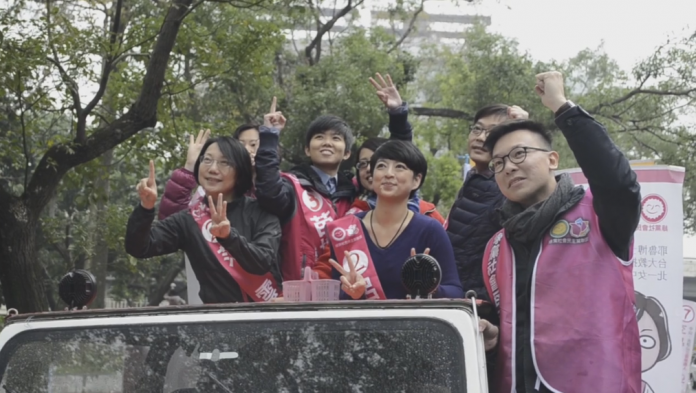
Young supporters of Tsai cheering outside her headquarters after she won the election.

Victoria Hsu, who stood as an openly lesbian legislative candidate on a pro-gay platform, is not optimistic that Tsai’s presidential victory can bring marriage equality to Taiwan. “Too few legislators support progressive family ideas. The Kuomintang is very conservative and DPP has not publicly declared their stance (on marriage equality) as a party,” she says. “DPP did not make a commitment to support marriage equality, so even if the party takes office, the bill will not be passed.”

Currently, a few cities including Taipei and Kaohsiung recognize the household registration of same-sex partnerships. However, the household registration does not grant legal rights to same-sex couples. Hsu founded the Taiwan Alliance to Promote Civil Partnership Rights to advocate for gender and sexual orientation equality and the organization proposed a draft bill for “diverse family formation” to the Legislative Yuan in 2013.

The bill consists of three proposals – for marriage equality, the establishment of a civil partnership system and a multiple-person family system. To date, only the first proposal has advanced past a first reading in the Legislative Yuan.

Victoria Hsu, founder of the Taiwan Alliance to Promote Civil Partnership Rights

This prospect has alarmed conservative groups and triggered a backlash from some sectors of society. The second and third proposals have not garnered enough signatures from legislators to be tabled in the legislature, as they are more controversial than marriage equality. The proposed “civil partnership” system, aimed at protecting cohabiting couples, would allow two individuals of any gender and sexual orientation to become legally recognized partners without being married. Whereas a “multiple-person family” system would allow two or more people who may not share blood ties to legally form a family.
Hsu, who is also a lawyer, says a “civil partnership” system and “multiple-person family” system would also protect the rights of heterosexuals, asexual people and close friends who do not want get married.” I think what matters most to a family is not sex or reproduction but the promise of taking care of each other. Gender or sexual orientation isn’t as important. When these people choose to live together… their rights concerning taxes, social welfare and healthcare should be protected legally,” she says.

Hsu was one of five openly gay legislative candidates who ran for the Legislative Yuan in this year’s election. All of them stood for the Green-Social Democratic Party Alliance (Green-SDP Alliance).

Education for All

Hong Kong refugee children education

The children of refugees and asylum-seekers face difficulties in getting local schooling.

Editors: Kanis Leung, Sherry Tsui

Reporters: Achlys Xi, Kelly Wong, Teenie Ho

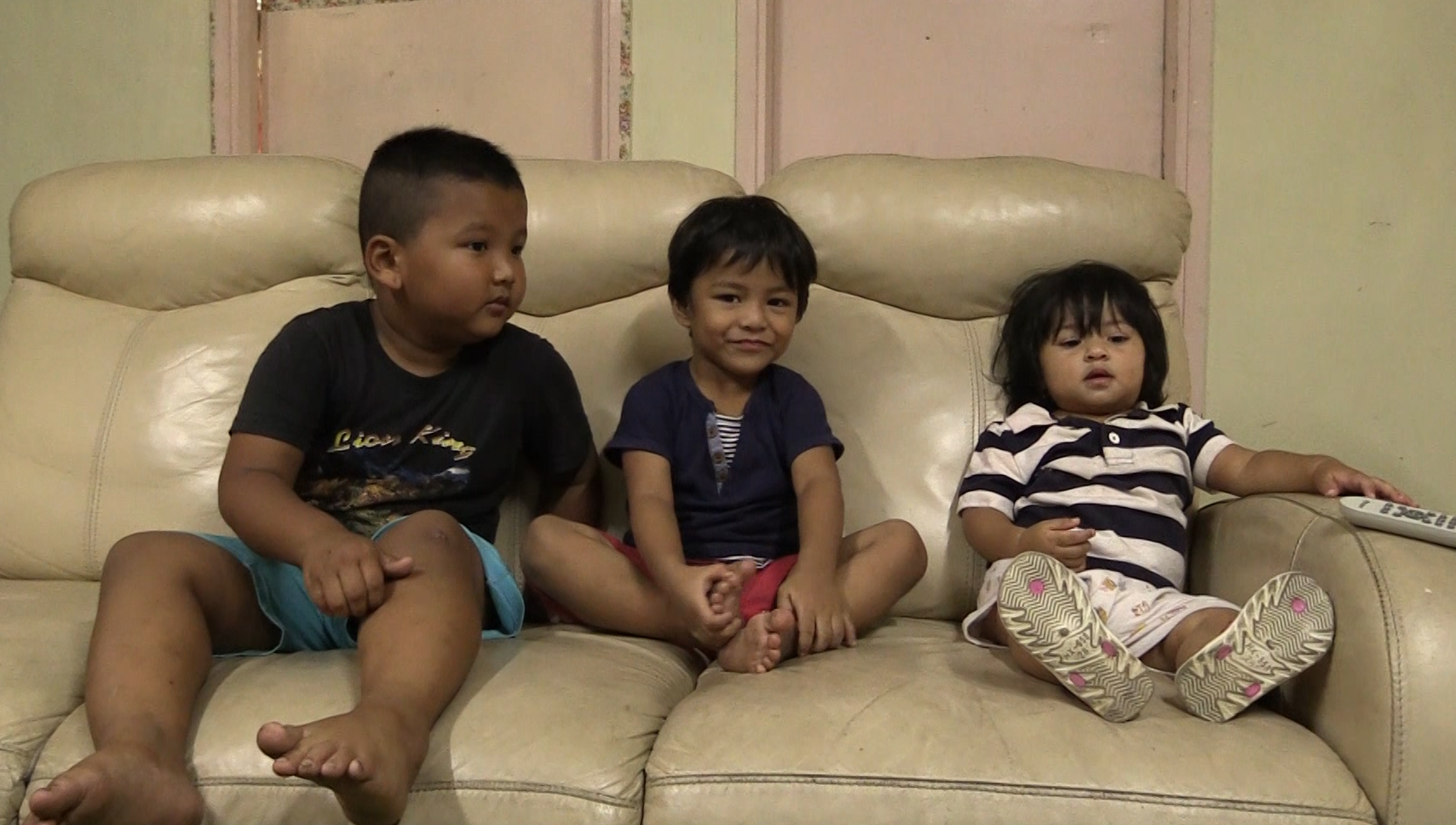
Anuj Gurung was born in Hong Kong and the 7-year-old has just started school. He is the son of an asylum-seeker without a birth certificate. But, he could have started school last year if his mother Puspa Gurung had requested special approval from the Immigration Department and Education Bureau when he was five, a year before children are supposed to start school.

Anuj’s mother fled to Hong Kong from Nepal 10 years ago, but she does not speak Chinese or English and had no idea how to apply for a school for Anuj. This also meant Anuj’s 4-year-old sister started kindergarten later.

Varsity asked the Security Bureau for the number of asylum-seekers and refugee children currently in Hong Kong, but did not receive an answer before publication. The last official published figures are from 2006, when there were 68 such children, 22 of whom could attend school. However, non-governmental organisations estimate there are around 500 refugee and asylum-seeker children currently in Hong Kong.

As the Hong Kong government signed the United Nations Convention on the Rights of the Child in 1994, these children should be entitled to receive an education regardless of their birthplace. Yet they have to struggle to exercise the right.

Gurung had sought help from the International Social Service (ISS), the only government approved agency serving refugees and asylum-seekers, but the group directed her to other departments. It said education services are not in their scope of work.

Eventually, Gurung turned to the Hong Kong Society for Asylum-seekers and Refugees. The group sent a letter to the Education Bureau, and after that Anuj was offered a place at Delia Memorial School.

The government will subsidise tuition and book fees, but the family will have to pay for transportation and uniforms. As the law forbids asylum-seekers and refugees from working, it is difficult for the single-parent family to find the money. The monthly cost of getting to and from school is HK$268, but the family’s monthly transportation subsidy from the ISS is HK$330.

Labour Party Legislator Fernando Cheung Chiu-hung suggests the government allocate resources to different NGOs so they can provide more specific and better services to refugees and asylum-seekers.

Dr. Isabella Ng Fung-sheung, an Assistant Professor at the Hong Kong Institute of Education, who is a partner of the Hong Kong Society for Asylum-seekers and Refugees, says the government should view refugee children as future assets who are valuable to Hong Kong, instead of a burden, when coming up with the relevant policies.

To Work or Live?

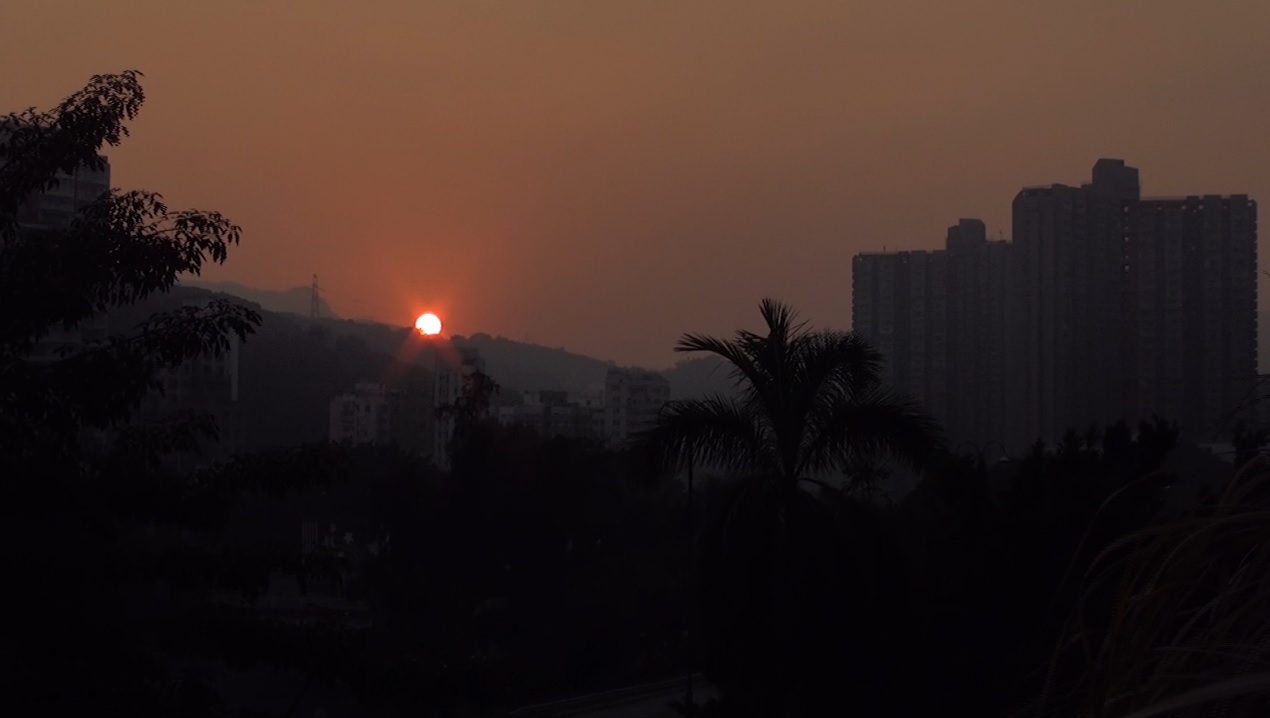
Hong Kong work life balance sunset

Poor work-life balance of workers in Hong Kong

Editors: Total Lam, Stella Tsang

Reporters: Esther Chan, Mavis Wong, Tiff Chan

Whether they are bosses, workers or self-employed, many people in Hong Kong experience different degrees of work-life imbalance. Many professionals and business people have be on stand-by 24 hours to accommodate the needs of their employers or customers. Even outside official work hours, they still experience stress from work. And technology such as smartphones and other mobile devices further blur the boundaries between work and non-work environments.

Percentage of employees who feel pressured to respond to work calls and emails on holiday

Public hospital anesthetist, Charlotte Lo Chor-kwan, chose her family over work. She quit her job at the Hospital Authority and now works part-time and in private practice so she can spend more time with her children. Now, her challenge is an unstable and unpredictable work schedule.

Sadly, grassroots workers often do not dare to think about work-life balance and may even doubt that they are entitled to it. If they stop working, they will not be able to support themselves and their families. To them, work-life balance is a fantasy.

Ng Chi-fai is a chef who works over 80 hours a week. With little time for anything beyond working and sleeping, his family relationships, romantic life and hobbies have all suffered.

Some say standard working hours can help solve the problem of poor work-life balance. Ng has been campaigning for an eight-hour work day and hopes this can improve workers’ lives. The discussion about standard working hours began in earnest in 2012, and it has been heated ever since.

Employers say legislating for standard working hours would increase production costs. Workers, on the other hand, pointed out how long work hours lead to physical and mental illness. The government has yet to take any concrete measures.

Everyone has a different view on work-life balance. Workaholics may relish their long working hours, while others demand more time to rest. However, it seems certain that the issue of work-life balance has become more important in our society. For the young, in particular, it is increasingly an issue that cannot be ignored.

Start Early, Eat Smart

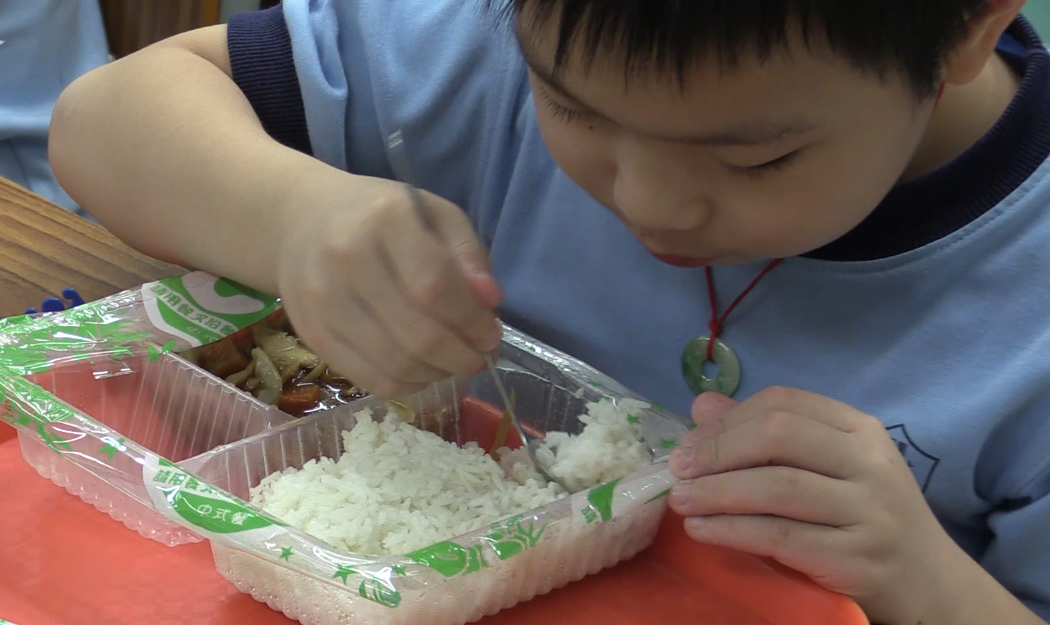
Hong Kong kids healthy diet

Experts say food education and children’s participation play a main role in developing a healthy diet

Editor: Benny Kung

Reporters: Kate Kim, Julian Ng, Vivienne Tsang

Left to their own devices, many children would choose a diet full of sweet, salty and fatty foods. Parents and sometimes even teachers give kids junk food as rewards and treats. Temptation is everywhere and the importance of establishing healthy eating habits in early childhood is often overlooked.

According to the Hong Kong Growth Survey in 1993, childhood obesity in Hong Kong has been rising since the 1990s. In 1997, around 16 per cent of primary pupils was obese, by 2012 the figure had risen to 20 per cent. Although society overall has become more health conscious and the government has launched campaigns and programmes, children’s eating habits remain a problem.

Some primary schools help students by holding workshops on nutrition and green events to explain the basics of what constitutes a healthy diet. But schools alone cannot help children develop healthy eating habits. Sylvia Chan Mei-kuen, the Principal of Ma On Shan Ling Liang Primary School, is one of the 90 participants of the government’s EatSmart programme, and she points out the need for parents and children to be actively involved.

“As adults, we think children’s responsibility is to study, study and study. Although study is important, so is health,” says Peggy Yip Pui-sze, a registered dietitian.

Often, children are unaware of the ingredients in the food they eat, or are even incapable of identifying specific ingredients and foods. Experts say the best way to address the problem is to get children involved in meal planning, preparation, and cooking.

When they are able to decide what to have for a balanced meal, children can also go grocery shopping with their parents. They can learn how to check food labels and understand what to look for.

In Britain, celebrity chef and healthy school meals advocate Jamie Oliver’s campaigns to promote healthy eating for children sparked a national debate. Hong Kong lags behind in that conversation.

However, Beatrice Chan Ka-wai helped introduce Oliver’s global campaign—‘Food Revolution’—to Hong Kong in the hopes that it can provoke a culinary awakening here. Food Revolution has been sharing recipes and getting young children cooking in order to stress the importance of forming healthy eating habits from an early age.

Last month, Chan joined ‘XCHANGE: Social Gastronomy’ and demonstrated some simple yet healthy dishes. She believes that food education can be introduced in flexible ways both inside and outside school.


Hong Kong’s Recycling Business: Recycling More, Earning Less?

Recycling in Hong Kong became an unprofitable business as China’s economy slows down, leading to lower recycling rates and fuller landfills.

Editors: Angel Liu, Godric Leung

Reporters: Emily Man, Cindy Gu, Jayce Lai

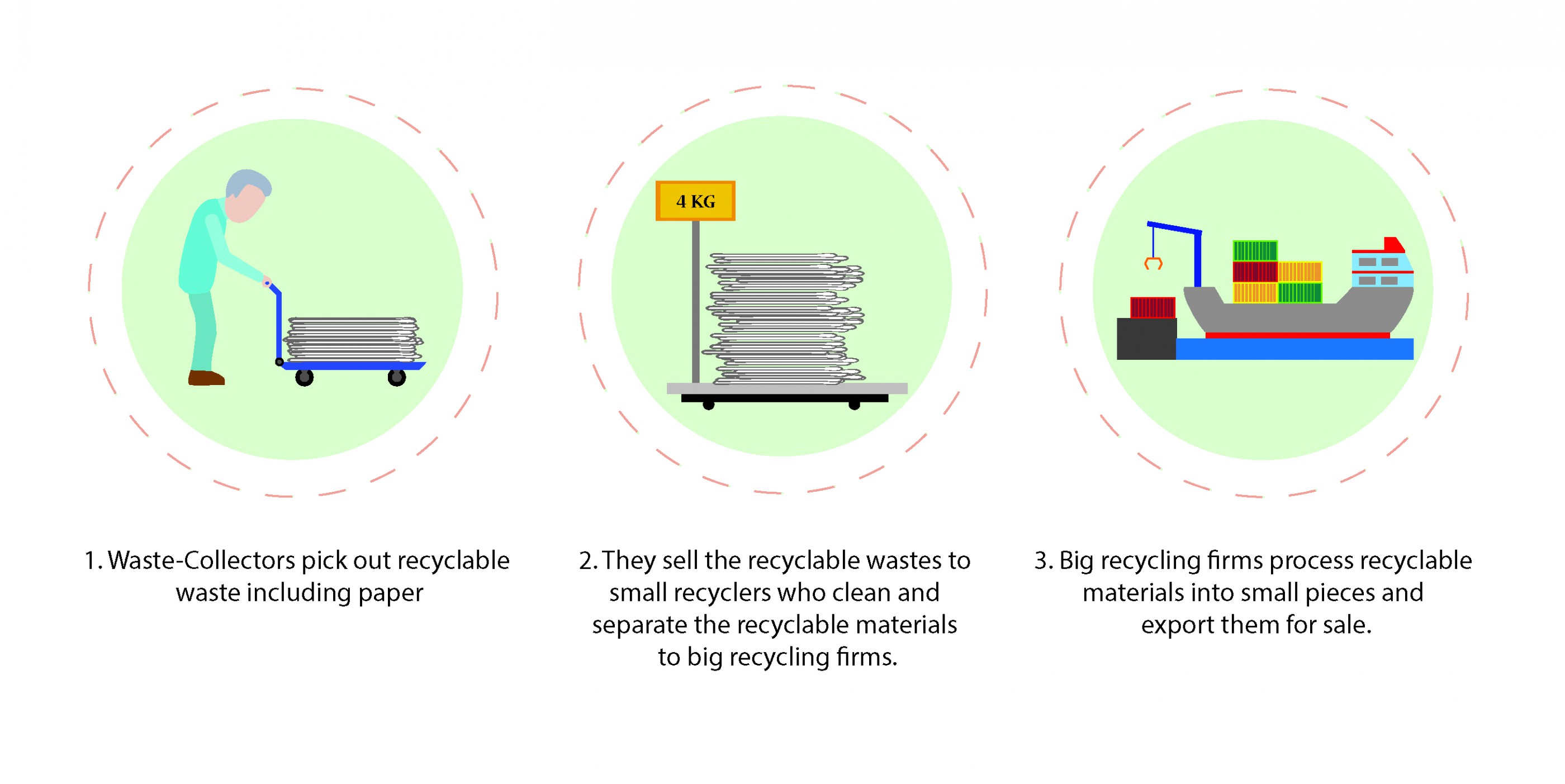
Hong Kong’s recycling business is in a rut because we are recycling less and landfills are almost at capacity. This is how the recycling business here works:

Hong Kong recycling industry how it works


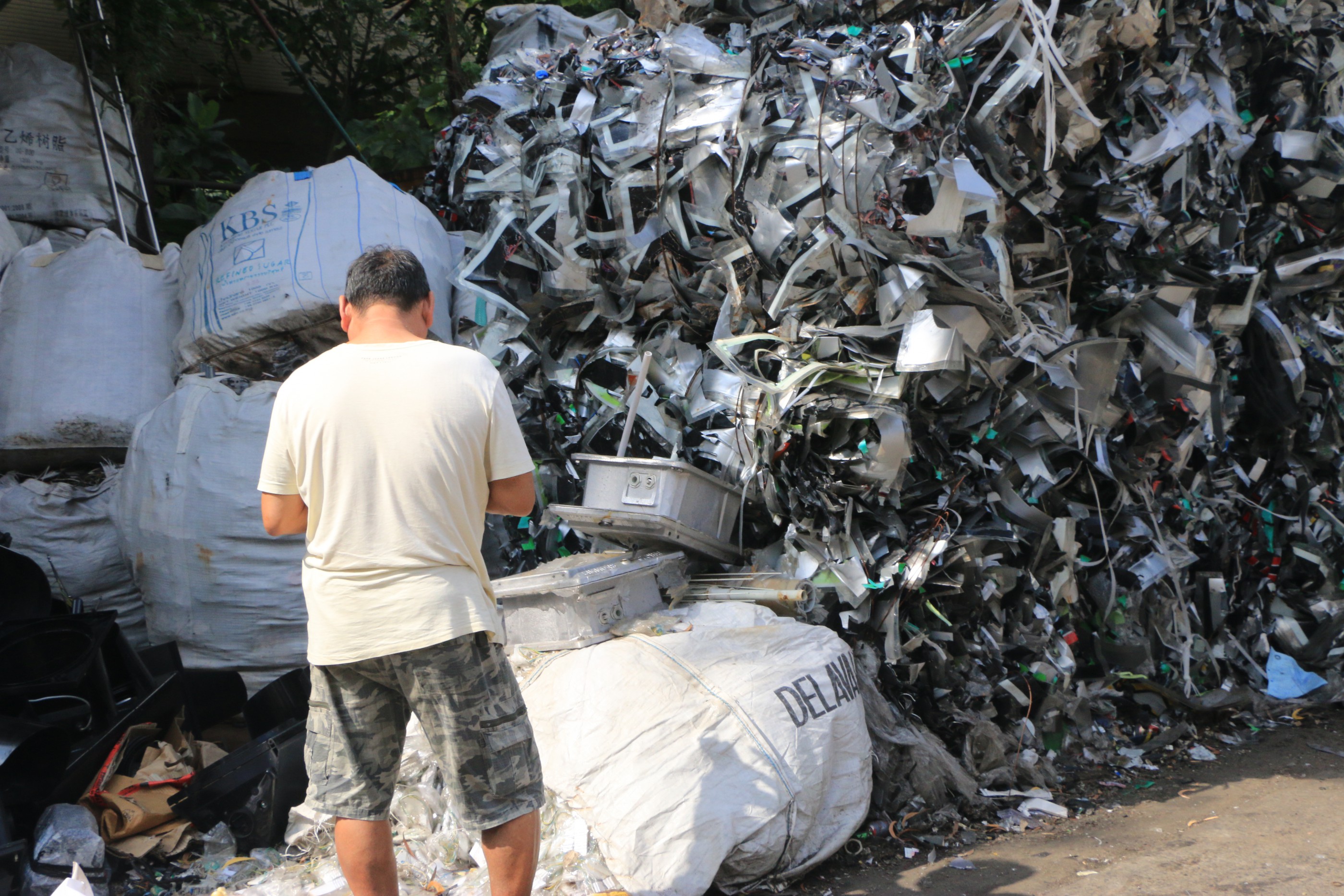
Almost 99 per cent of the recovered waste is exported, mostly to China. As the rate of economic growth in China slows down, Mainland factories have less demand for recovered waste. Therefore, earnings from the export of Hong Kong’s recovered waste have declined over the past few years.


The slowdown in Chinese economic growth has had a knock-on effect on the value of exported recyclables. Lau Yiu-shing, Chairman of Hong Kong Recycled Materials & Re-production Business General Association Ltd says the price of metals, plastic and paper have dropped by 30 to 50 percent in 2015.

With large recycling firms earning less from export, they are paying less to buy recovered waste from small recyclers. Of the different types of wastes, metal still brings in a higher net profit, but that just means it fetches HK$ 80 -HK$ 90 per ton. As for plastic, the high cost of separating and cleaning means there is barely any profit at all and most recyclers have stopped collecting plastic waste.

To help the local recycling industry, the government set up a HK$1 billion Recycling Fund this year. The fund will provide project-based matching funds for recyclers to upgrade their operational capabilities and offer training to their staff. Applicants can get up to HK$15 million for a project.

Taiwan’s experience

Taiwan launched the “4-in-1 Recycling Program” in 1997. The scheme reversed the upward trend in the growth in the amount of rubbish collected on the island. The “four” refers to communities, recycling industries, community authorities and the Recycling Fund. First, the government encourages communities to set up recycling organizations to separate waste, and community authorities will sort the recyclable materials from the waste. Finally, the recycling industries will buy the recyclable materials from residents, communities and community authorities. The Recycling Fund charges a treatment fee from waste producers and subsidizes recycling industries and community authorities.

In addition to this scheme, Taipei City implemented a volume-based waste fees system in 2000, and the disposal rate of rubbish dropped by nearly 30 percent in a year.


When Private Turns Public

Hong Kong private museum Liang Yi

The emergence of private museums in Hong Kong

Editors: Henry Lee, Edith Lin

Reporters: Karen Yu, Joey Kwan, Wing Chan

Bored with the few conventional government museums in Hong Kong? Now there is an alternative – the private museums – waiting for you to explore.

In recent years, more private museums have opened in Hong Kong. The concept of a private museum, which is owned by an owner of a collection rather than the government, is still relatively new.

Private museums in Hong Kong are scattered around the territory and there is no official count of how many there are. But Varsity has identified around ten private museums currently operating in Hong Kong. They tend to operate under one of two models: they are either overseen by a board of trustees, or run by private collectors.

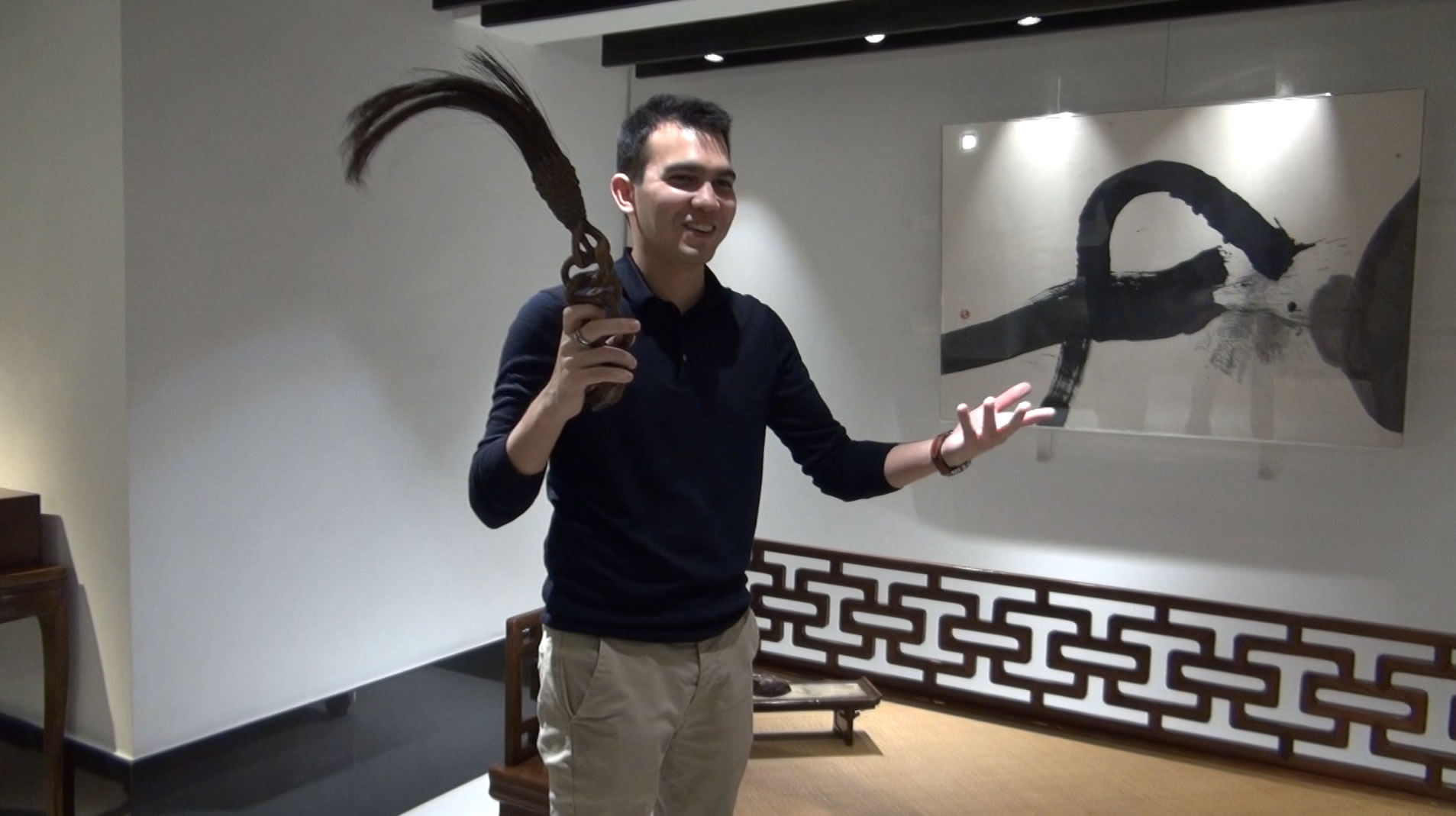
The Folk Custom and Literature Museum in Ma Wan houses an eclectic mix of exhibits, with antiques and vintage pieces from different times and places. James Hamilton Lai and his wife, Yuri Li Ha, founded it, and visitors need to make an appointment before visiting.

The Lai’s are experienced collectors with a special interest in old calendars with painted advertisements, pens and watches. Lai says he does not want people to see Hong Kong as a tourist destination that people just visit and leave. Instead, he wants to pass on the city’s heritage to the younger generation.

He is particularly enthusiastic about researching the history and stories behind every item in his collection. But not all his knowledge comes from research. Lai recalls a lady who visited the museum with her granddaughter. During their chat, Lai was thrilled to hear her stories about bygone days.

This kind of cultural exchange through dialogue is typically found in in private museums.

The Liang Yi Museum on Hollywood Road has done away with written descriptions of exhibits altogether and relies on dialogue and interaction between visitors and guides instead.

The museum houses traditional Chinese furniture. Admission costs HK$200 and visitors have to make an appointment. But once they are in the museum, they can hear the stories of the exhibits and even touch them.

The four-story museum houses a fine collection of furniture made in the Ming and Qing dynasties, many of which were purchased on Hollywood Road. In addition to the exhibitions, Liang Yi hosts programmes for visitors, such as talks by professionals in the arts and culture.

The government says it welcomes and encourages the establishment of private museums. Officials say private museums can complement publicly-funded museums, which tend to organise exhibitions or programmes that appeal to the general public.

On the other hand, private museums can be more diverse and focused in their exhibitions, and can display niche collections. They may serve a comparatively small group of people sharing the same interest. As a result, the coexistence of public and private museums can help increase diversity in Hong Kong’s cultural landscape.

Po Toi Island – The Gem in the Rough

Hong Kong Focus Po Toi Island

Po Toi residents and green groups debate if the island should be developed

Editors: Thomas Chan, Zoe So
Reporters: Natale Ching, Zoe Tam, Zoe Lai, Tiffany Tsim

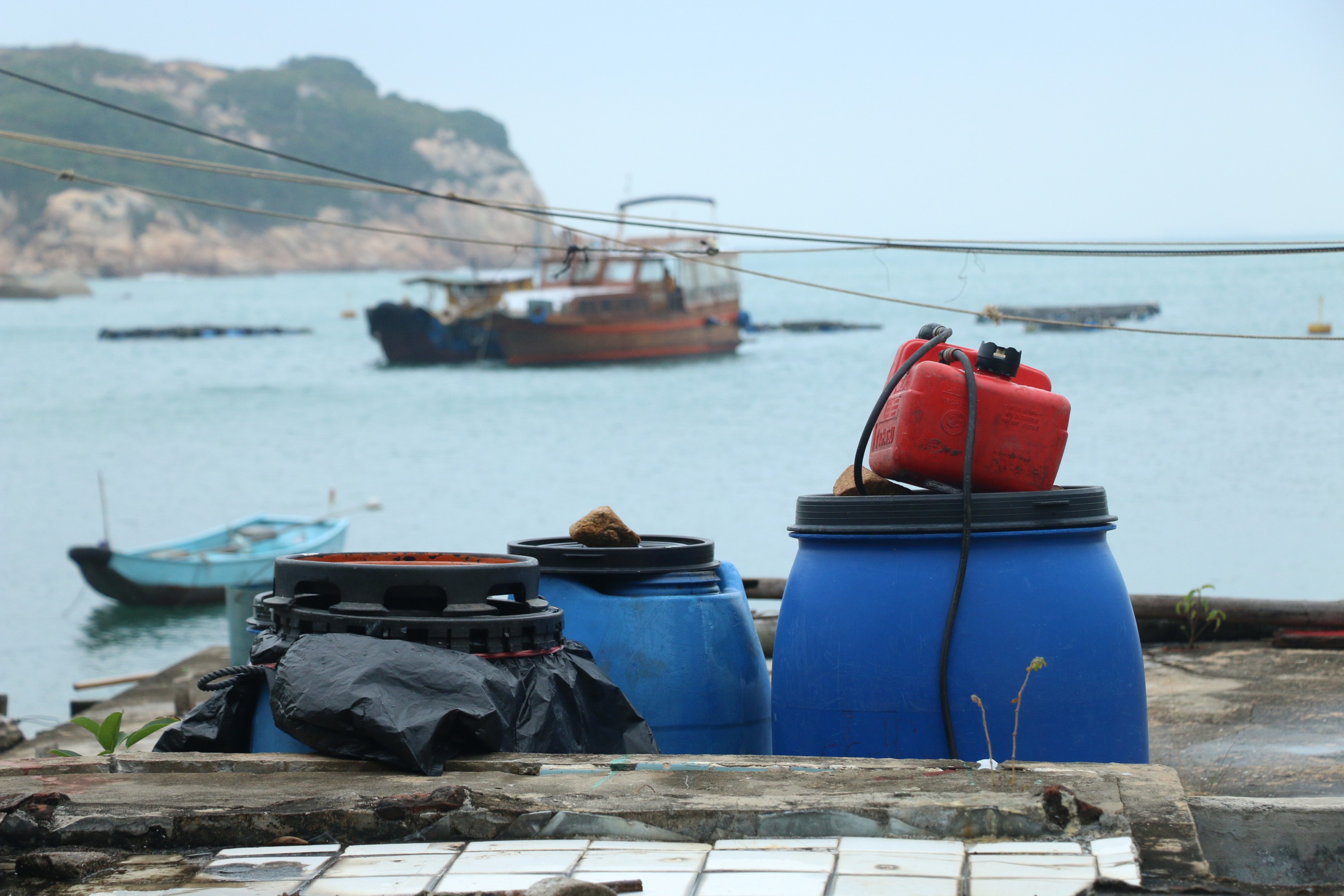
Po Toi is a small, secluded island off the southern coast of Hong Kong sometimes known as the “South Pole of Hong Kong.” Its scenic trails, hilly interior and rare species often attract hundreds of tourists on weekends. They come to enjoy the seafood or walk past natural rock sculptures such as Buddha’s Hand and Turtle Climbing the Hill.

Over the past few decades, the population has fallen from more than a thousand to around 200, many of whom mostly live in or near Aberdeen during the week. The small population is the reason given for why the island still does not have a stable and permanent supply of fresh water and electricity. But it means the island can barely cope with the weekend and holiday visitors.

Po Toi’s plight came under the spotlight a few years ago when a company applied to build columbarium niches there, sparking strong opposition from residents and green groups. There were sightings of the removal of vegetation and hundreds of niches on vacant land. But the Town Planning Board rejected the project in November this year and it has been shelved.

But the debate continues over whether Po Toi should be developed and what the extent and scope of any development should be. By and large, residents and former residents told Varsity that the island should have some development.

Former resident, Candy Lau Kam-lin, who owns a general store on the island, says the lack of essential utilities such as water and electricity makes it difficult for her to keep her businesses going.

Another former resident, Law Shing hopes the government can take more initiative in developing the island to improve the wellbeing of residents and attract more tourists. Law also suggests creating a country park on the island. He says this would improve water and electricity supplies for residents and visitors.

Green groups also back the country park idea. The Hong Kong Bird Watching Society is concerned about the environmental impact of development on the island, which is a winter home to rare migratory birds. They say the island has great ecological value as many species of birds spotted on the island are endangered and should be protected.

Whatever the outcome of the debate on Po Toi’s future development, legislator Leung Yiu-chung says the government has a responsibility for conservation and the welfare of residents.